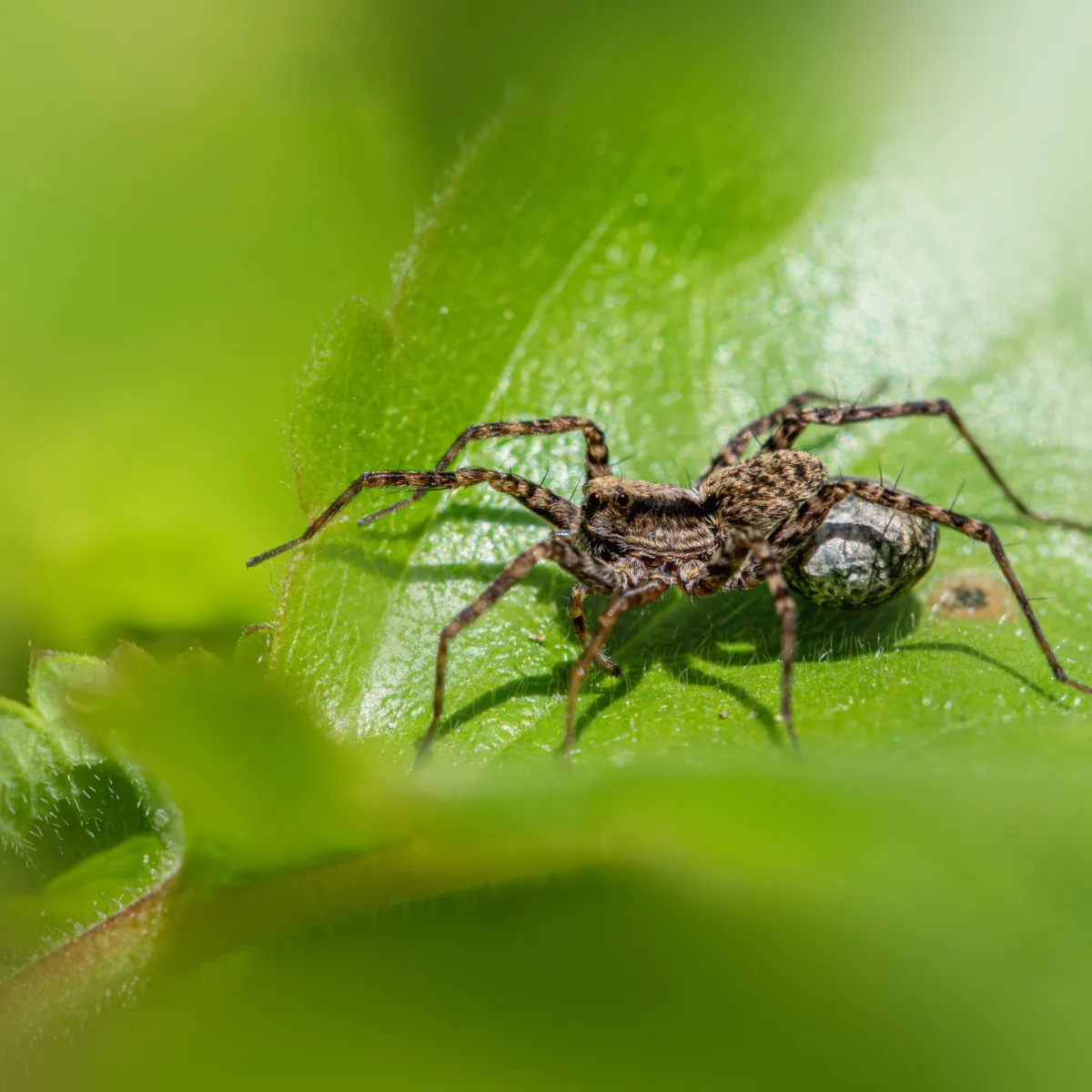
SPIDER CONTROL FOR TAMPA HOMES
Spiders around windows, porches, garages, and entryways can become a nuisance, especially when webs keep returning. My Organic Turf provides spider control in Tampa, focusing on the places spiders hide, the insects attracting them, and the areas where treatment may help.
CHECK WHERE SPIDERS ACTUALLY LIVE
The inspection begins with the places where spiders have been noticed. We look for active webs, sheltered spaces, and nearby insect activity before deciding whether treatment is needed.
We ask where spiders are appearing and whether the concern involves webs, repeated indoor sightings, or a particular type of spider.
Door frames, porch ceilings, garages, and window corners are common trouble spots. Knowing whether activity has increased recently can also help identify changes around the property.
Spiders may settle beneath eaves, behind stored materials, around exterior fixtures, or inside accessible gaps and corners.
Our Service Pros check these areas for live spiders, webs, and egg sacs. We also look for insects caught in webs because a steady food supply may explain why spiders keep returning.
Web-building spiders usually remain near a suitable web site. Hunting spiders move around in search of prey and may enter through doors, damaged screens, or other openings.
The difference matters. Removing a web will not address a spider that hunts along the ground, and a wandering outdoor spider may not indicate an indoor infestation.
Where treatment is warranted, our Service Pros use products labeled for the location and type of application.
The work may focus on suitable cracks, crevices, or sheltered exterior areas. Broad spraying across gardens and lawns is not automatically necessary, particularly where harmless spiders are helping control other insects.
Webs may remain after the spiders responsible are no longer active. New webs can also appear if insects continue gathering around the same lights or sheltered surfaces.
We explain what to expect and which areas should be checked again. Continued activity may call for a closer look at entry points or the insects supporting the spiders.
KEEP THE AREAS CLEAR AFTER TREATMENT
Aftercare depends on where treatment was applied. Follow the instructions provided after service before cleaning treated surfaces or using restricted areas.
Some applications need to remain undisturbed for a period. Cleaning or washing treated surfaces too soon may affect the product.
Keep children and pets away from treated areas until the stated re-entry requirements have been met.
Once it is safe to do so, remove abandoned webs from porch corners, window frames, and other accessible surfaces.
A broom or vacuum may be enough for small webs. Do not reach into hidden spaces or handle an unidentified spider directly.
Torn screens, loose weatherstripping, and gaps around doors can allow wandering spiders and insects to enter.
Repairing these openings may help reduce indoor sightings without additional treatment.
Cardboard boxes, unused equipment, and crowded shelving create undisturbed spaces where spiders can remain unnoticed.
Leave room to inspect along walls and behind stored items. Wear gloves when moving materials that have been untouched for a long time.
Trim branches and shrubs that press against siding, windows, or exterior fixtures.
The aim is to reduce sheltered contact points, not remove healthy landscaping. Our Tampa lawn and shrub care services can help with broader landscape concerns.
A new web does not always mean treatment failed. Outdoor spiders can move into a suitable spot, particularly where flying insects are plentiful.
Pay attention to repeated activity in the same location rather than treating every new web as an infestation.
Spider activity is often noticed through webs, egg sacs, or repeated sightings. The location and type of spider help determine whether the issue calls for treatment or simple removal.
Spiders may build webs across porch corners, window frames, light fixtures, and sheltered entryways.
These sites often provide both protection and access to insects. Removing old webs helps keep entrances clear, but new ones may form while the conditions remain favorable.
Garages offer quiet corners, gaps beneath doors, and stored materials that provide shelter.
A spider seen occasionally may have wandered indoors. Repeated sightings around the same shelving or wall opening deserve a closer look.
Some spiders produce silk-covered egg sacs attached to webs or tucked into sheltered spaces.
Do not handle an unfamiliar egg sac or spider directly. Identification can help determine whether removal or treatment is appropriate.
Spiders may enter through open doors, damaged screens, or small gaps around the building.
Frequent sightings may indicate accessible entry points, indoor insect activity, or a species capable of living indoors. The source needs checking before deciding on treatment.
TAMPA WEATHER SUPPORTS YEAR-ROUND ACTIVITY
Spiders are present throughout the year in Tampa, although their visibility changes with weather, insect populations, and the species involved. Warm conditions allow many insects to remain active, giving spiders a continuing food source.
Rain can change where spiders are seen. Some move into sheltered areas, while others rebuild webs damaged by wind or storms. Porch ceilings, covered patios, and garages may become more noticeable gathering places.
Outdoor lighting also plays a part. Lights that attract moths, flies, and other insects can create reliable feeding spots for web-building spiders.
Seasonal changes affect individual species differently. Some spiders become more noticeable as they mature, while others spend much of their time hidden in vegetation or structural gaps.
My Organic Turf considers these conditions when inspecting the property. Spider control is more useful when it addresses the actual problem areas rather than following a fixed calendar.

NOT EVERY SPIDER NEEDS REMOVAL
Spiders differ in how they hunt, where they live, and whether they pose a meaningful concern to people. Many common outdoor spiders are beneficial and rarely bite.
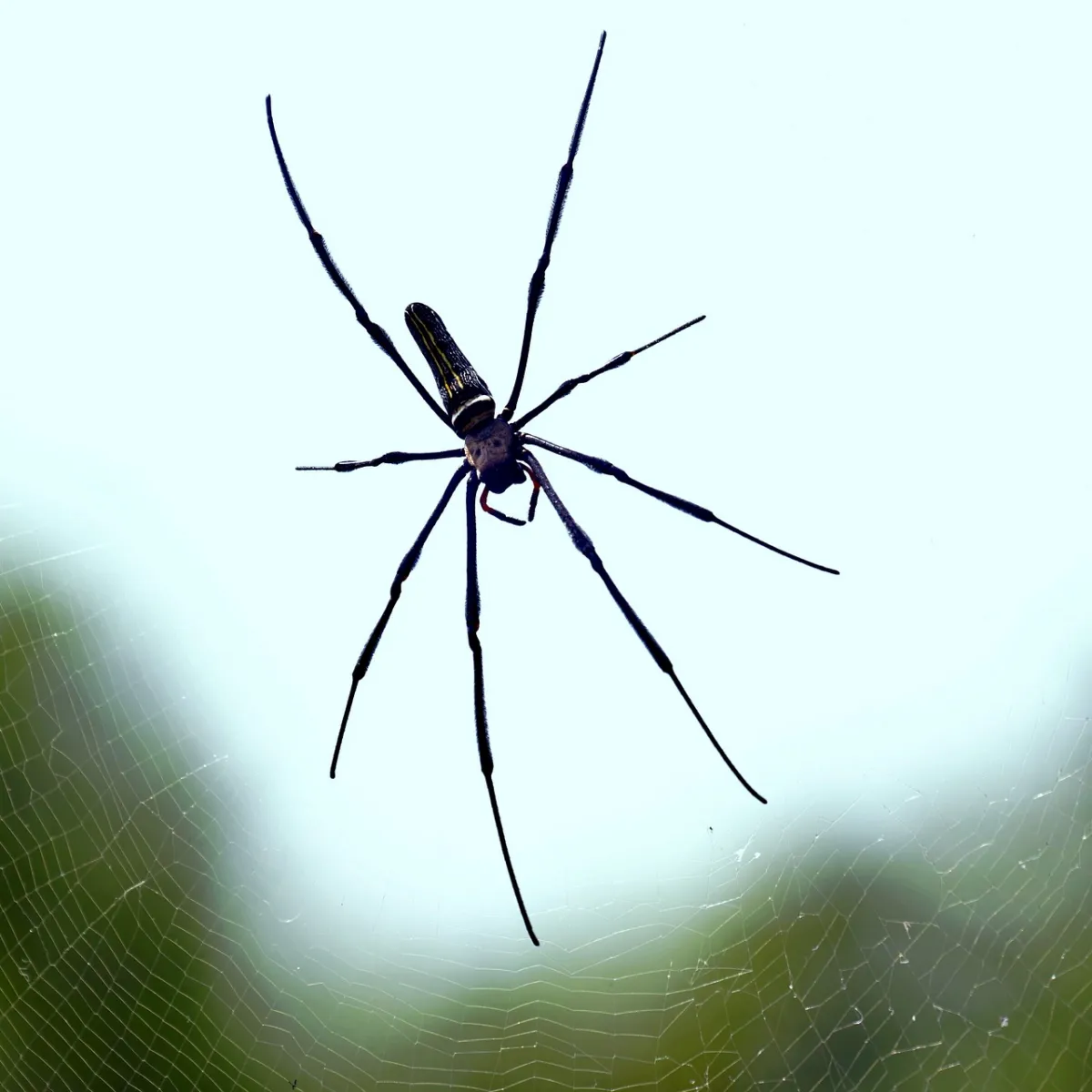
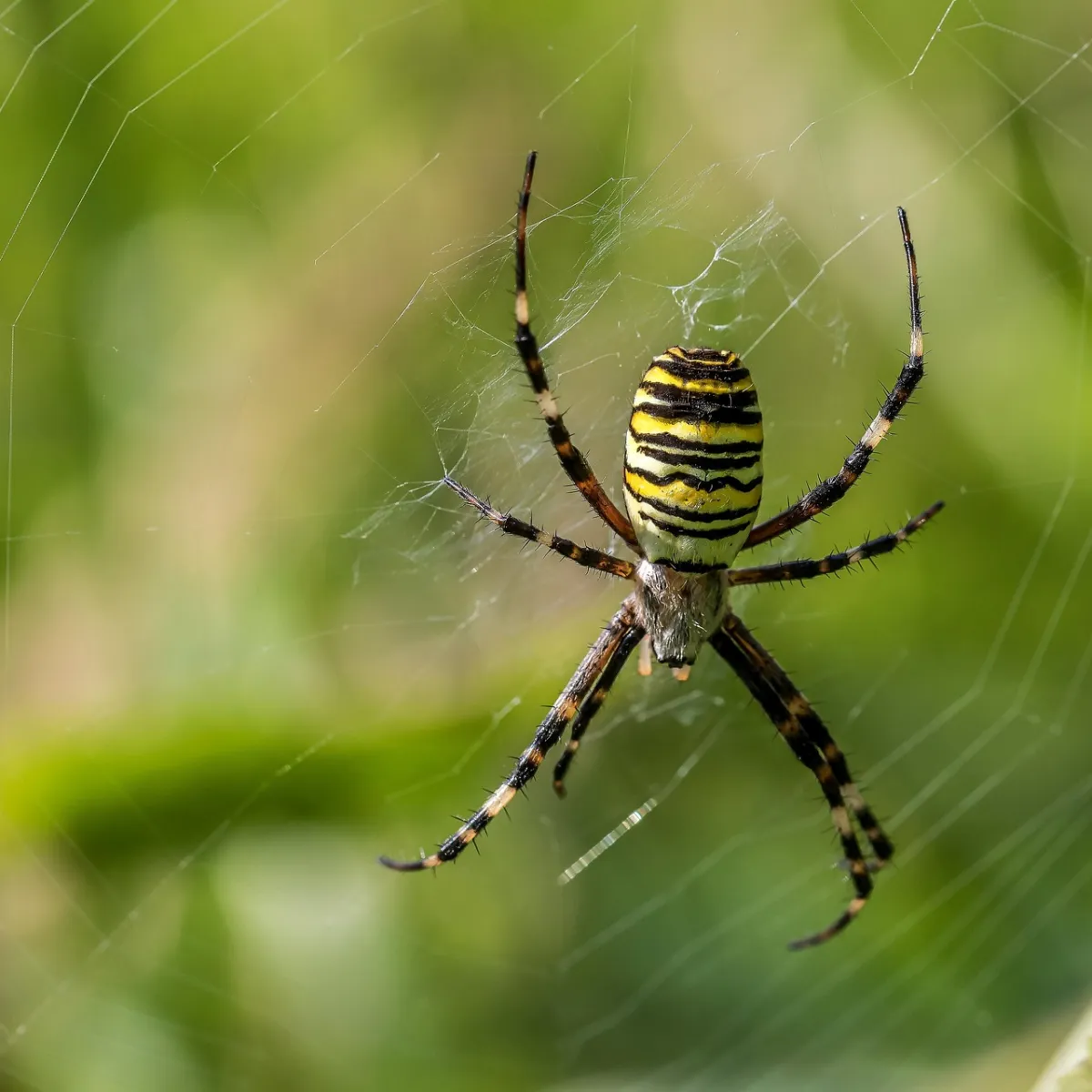
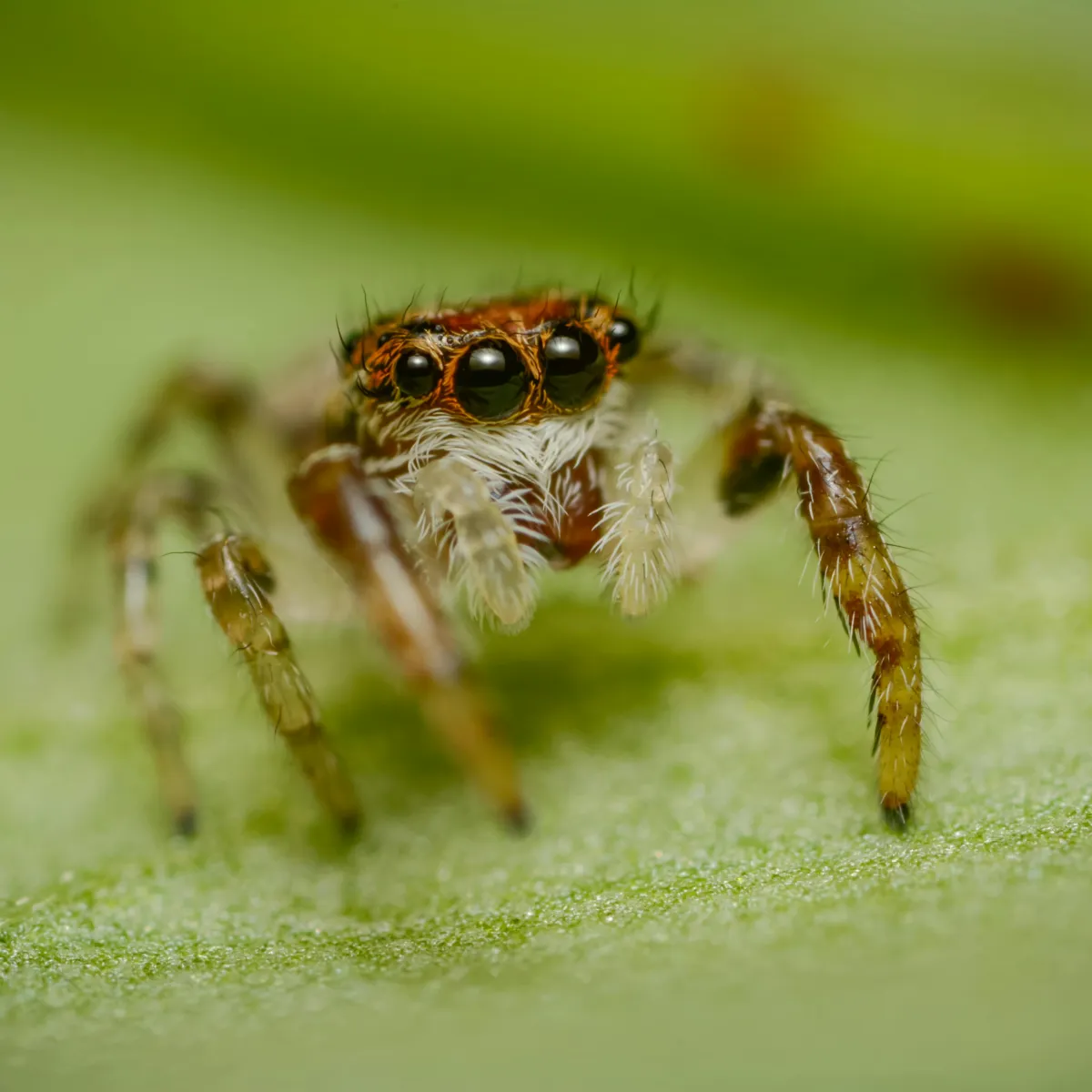
Orb-weaving spiders build the familiar circular webs often seen in gardens and between shrubs. Jumping spiders and wolf spiders hunt rather than using capture webs. Cellar spiders and common house spiders may occupy quiet indoor corners.
Some species require greater caution. Black widows can occur in Florida, particularly in sheltered outdoor spaces. A suspected medically significant spider should not be handled or disturbed for identification.
Bites are also frequently attributed to spiders without the spider being seen. Skin irritation alone does not establish that a spider was responsible.
My Organic Turf looks at the spider, its location, and the extent of activity before deciding what should be done. Small numbers of harmless spiders may be better managed through removal, cleaning, and exclusion rather than pesticide application.
The University of Minnesota Extension’s spider guidance explains common spider behavior and practical ways to reduce unwanted activity around buildings.
REMOVE THE CONDITIONS THAT KEEP ATTRACTING THEM
Spiders often return to places that provide food, shelter, or easy access indoors. Small changes around the home can make these areas less inviting.
Porch and garage lights may attract flying insects after dark. Spiders can build webs nearby and feed on the insects gathering there.
Adjusting unnecessary nighttime lighting or using less insect-attracting fixtures may help. Reducing the insect activity around entrances can also make those locations less appealing to spiders.
Vegetation close to siding, windows, and doorways gives spiders sheltered places to hunt or build webs.
Regular trimming can improve access for inspection and reduce contact between plants and the building. Healthy garden spiders farther from the house generally do not need removal.
Unused pots, stacked materials, firewood, and cluttered corners provide places where spiders can remain undisturbed.
Keep storage organized and avoid leaving materials directly against exterior walls when practical. Check concealed areas carefully before moving stored items.
Spiders and the insects they feed on may enter through damaged screens, loose door sweeps, and small structural openings.
Sealing suitable gaps helps limit access. If other insects are regularly entering the home, reviewing the wider pest problem may be worthwhile. My Organic Turf also offers information about pest control services in Tampa Bay.
TREAT THE AREAS THAT NEED ATTENTION
Spider control should not mean treating every spider found in the garden. My Organic Turf distinguishes between ordinary outdoor activity and problems affecting entrances, garages, or indoor living spaces.
Our Service Pros check the affected areas, consider what is attracting spiders, and explain where treatment may be appropriate. We also point out conditions that an application cannot correct, such as a damaged screen or a porch light attracting insects every night.
You receive practical aftercare instructions and a clear explanation of what to watch for. The aim is to reduce unwanted spider activity without unnecessary treatment of the rest of the landscape.
TAMPA SPIDER CONTROL QUESTIONS
Recurring webs, spiders entering the home, or activity around frequently used entrances deserve a closer look. My Organic Turf checks where spiders are settling, what may be attracting them, and whether treatment is appropriate.
Our Service Pros explain the recommended work, any precautions after application, and simple changes that may help reduce future activity. You will know which areas need attention and which spiders can reasonably be left alone.
Share your Tampa property address, where the spiders or webs are appearing, and how long the concern has been present. Request a quote from My Organic Turf to discuss the next step.