

TARGET WEEDS WHERE THEY GROW
Are weeds spreading across your lawn or returning to the same trouble spots? My Organic Turf provides targeted weed control services based on the weed type, grass variety, season, and your property’s condition.
START WITH THE WEEDS
The service begins with the weeds you have noticed. We identify the concern, assess the surrounding grass, and determine how weed control fits into your lawn care plan.
Tell us where weeds are growing and when you first noticed them. Their location, appearance, and spread help us understand the problem.
We check the grass, weed coverage, soil surface, moisture, and shade. We also ask about watering, mowing, and recent lawn work to identify conditions that may be encouraging weed growth.
Different weeds can look similar but respond differently to treatment. Some grow in isolated patches, while others spread through thin areas or along lawn edges.
We identify the weeds and consider their growth stage before choosing an approach. If irrigation problems or other property conditions are contributing to the issue, we explain what else needs attention.
Treatment depends on the weed type, grass variety, extent of the problem, and current conditions. We select the application and timing with the surrounding lawn in mind.
My Organic Turf uses organic options wherever they fit the service. When weed control requires a different approach, we use a focused application in the areas that need it.
Our team pays attention to lawn edges, plant beds, pavement, water, and frequently used outdoor spaces. We avoid treating the entire property automatically when weeds are limited to certain areas.
Weather also matters. Wind, heat, and heavy rain can affect treatment, so we may need to adjust the appointment when conditions are unsuitable.
Weed growth changes with rain, heat, mowing, irrigation, and the season. Follow-up visits allow us to assess how treated weeds responded and whether new growth has appeared.
Some weeds require more than one treatment or ongoing management. We explain what to expect and when to review the lawn again.

Aftercare depends on the treatment used. Follow the instructions provided for your property rather than using the same routine after every visit.
Some treatments need time to remain on the weeds, while others may require watering after application. Wait for your technician’s instructions before running the sprinklers.
Contact us if heavy rain arrives soon after service and you are unsure whether it affected the treatment.
Mowing too soon can interfere with certain weed control treatments. Follow the recommended wait time and avoid cutting the grass too short afterward.
Maintaining a suitable mowing height also helps support thicker grass and reduce open spaces where weeds can grow.
Keep people and pets away from treated areas until the recommended re-entry requirements have been met. We will explain when you can use the lawn normally again.
Avoid pulling, cutting, or disturbing treated weeds until your technician advises you to do so. Some treatments need time to move through the plant.
Do not add another weed control product to the same area unless we have discussed it.
Let us know if the surrounding grass develops unexpected discoloration, rapid thinning, or other changes after treatment. A clear photo and location can help us understand what happened.
MATCH THE TREATMENT TO THE WEEDS
Professional weed control can help when unwanted growth is spreading, recurring, or becoming difficult to manage. The approach should match the weeds and the condition of the lawn.
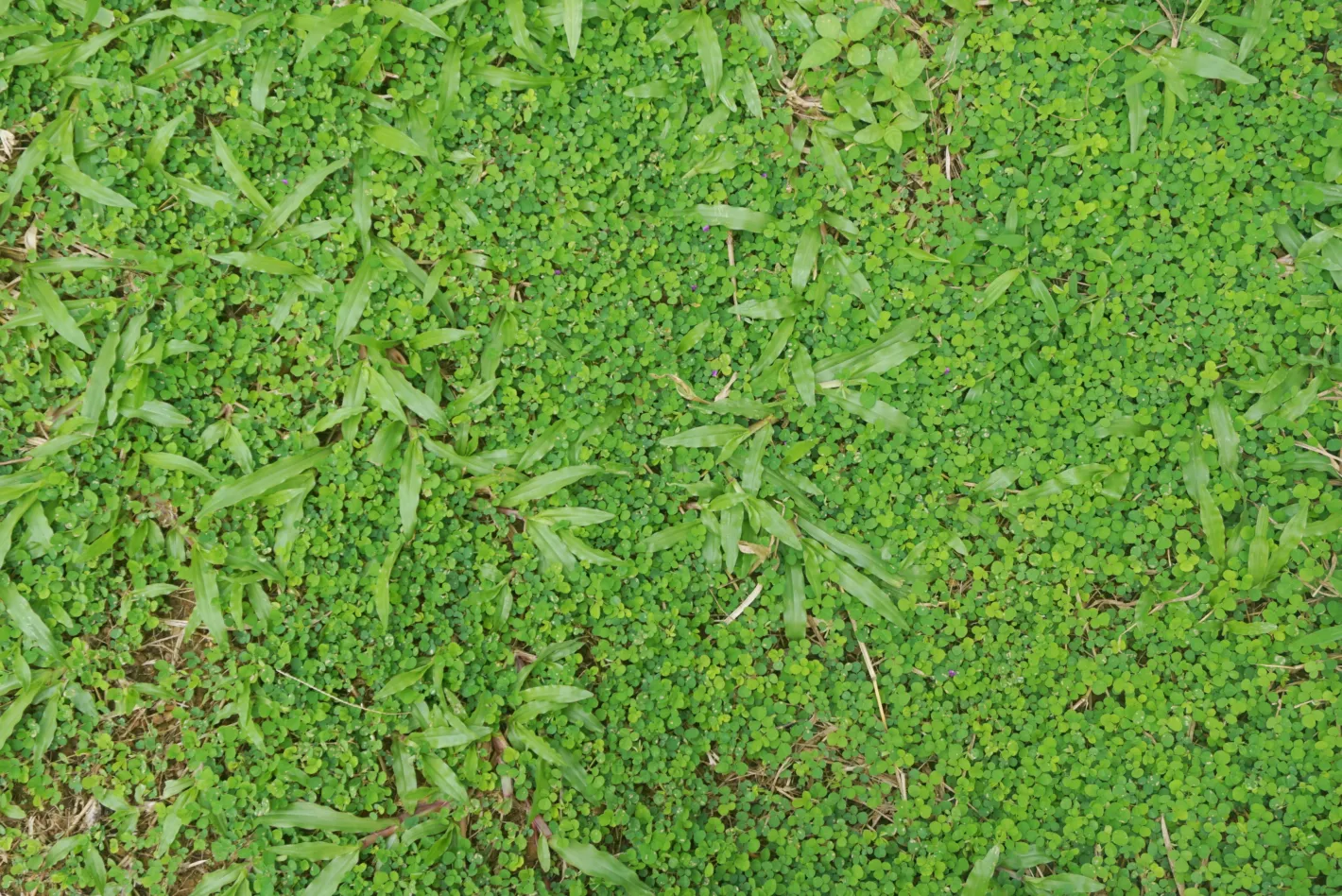
Weeds may start in a small area and gradually move into larger sections of the yard. Early attention can help manage the problem before it becomes more widespread.
The weed type and growth stage affect the treatment choice. We assess both before recommending an application.

Weeds that return to the same location may be connected to thin grass, excess moisture, exposed soil, or other conditions.
Treatment addresses the weeds, while reviewing the surrounding conditions helps explain why they keep returning.

Driveways, walkways, and landscape borders can create openings where weeds establish. These areas may need focused attention without treating unaffected sections of the lawn.
We consider nearby plants and hard surfaces when planning the application.
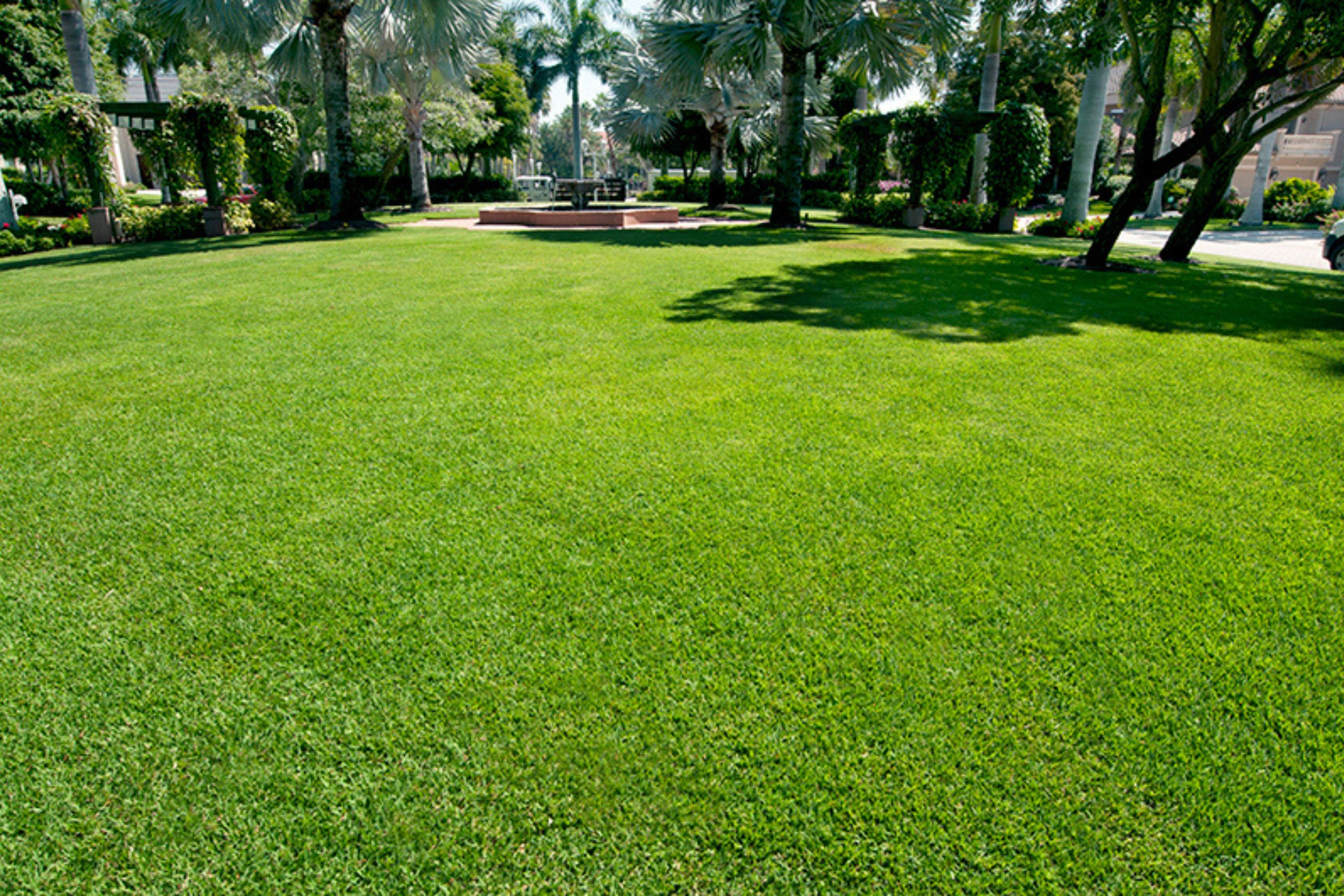
Sparse grass leaves room for weeds to grow. Weed control can address unwanted plants, but the lawn may also need help recovering its density.
Appropriate fertilization, watering, mowing, or aeration may support that recovery, depending on what is causing the thinning.

Some weeds are difficult to manage with a single application. Others may reappear as new seeds germinate or established plants produce new growth.
We review the weed type, previous treatment, and lawn conditions before recommending the next step.
ADDRESS WHAT HELPS WEEDS GROW
Weed control is one part of maintaining a healthier lawn. Conditions that weaken the grass or leave soil exposed can give weeds more room to establish.
A blocked, tilted, or damaged sprinkler head can leave one section dry and another too wet. Either condition can weaken the grass and contribute to uneven growth.
Our irrigation service can help address coverage problems when dry and wet areas appear within the same watering zone.
Cutting the lawn too short can stress the grass and expose more soil. Dull mower blades can also tear the grass and affect its appearance.
Mowing height should fit the grass type, with each cut removing only a reasonable amount of growth.
Hard, compacted ground can limit the movement of air and water into the root area. Grass may remain thin, leaving openings where weeds can establish.
Lawn aeration may be appropriate when compaction is holding the lawn back.
Grass beneath dense tree cover may struggle because it receives too little sunlight and competes with tree roots for moisture.
Weed control cannot replace the light your grass needs. Managing these areas may involve reviewing the surrounding landscape or adjusting expectations for turf coverage.
New sod needs time and appropriate care to establish roots. Inconsistent watering or premature treatment can add stress during this period.
We assess the condition of newly installed grass before recommending weed control. Our new sod care guide also explains the early watering and maintenance a new lawn needs.
TIMING CAN CHANGE THE RESULTS
The right time depends on the weed type, its growth stage, the grass variety, and the weather. Some treatments address weeds that are already growing, while preventive approaches, when appropriate, must be timed before targeted weeds emerge.
Rain and wind affect scheduling. Heavy rain may interfere with certain applications, while wind can move treatment beyond the intended area. We review the conditions and adjust when necessary.
The condition of the grass also matters. Severely dry, newly installed, or heavily stressed turf may need another concern corrected before weed control begins.
Seasonal growth affects which weeds are present. Regular assessments help us respond to current weed activity and plan appropriate care for changing conditions.
FOCUSED CARE MAKES SENSE
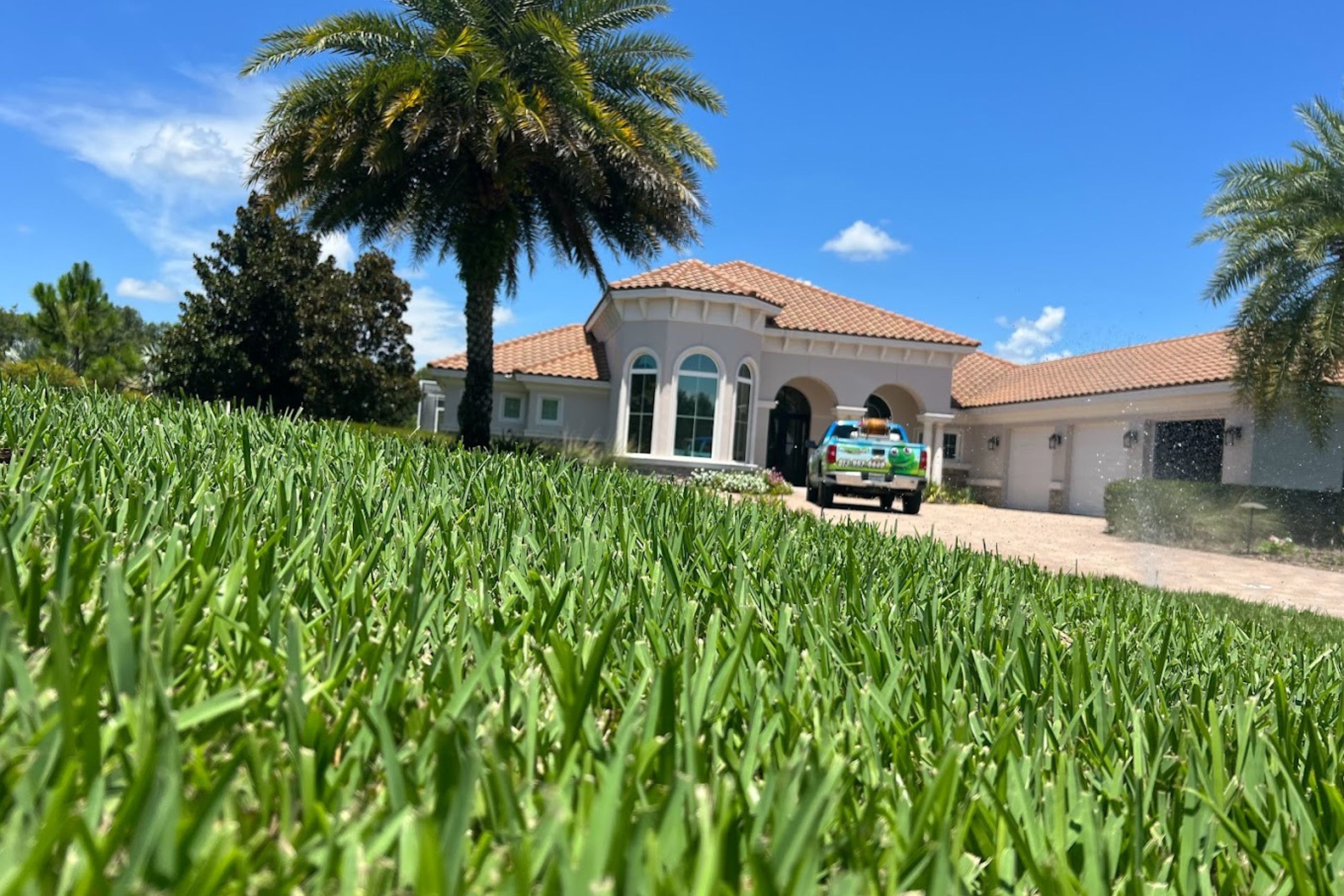
A weed patch near the driveway does not automatically mean the back lawn needs the same treatment. Weed growth may be limited to certain areas because of moisture, sunlight, thin grass, or exposed soil.
My Organic Turf looks at where weeds are growing, how far they have spread, and which areas remain unaffected.
This approach has several practical benefits:
Targeted care does not mean ignoring the rest of the property. We also review the broader lawn for conditions that may encourage weeds to establish elsewhere.

KNOW WHAT YOUR LAWN RECEIVES
You should know which weeds are being treated and what the application is intended to do. We explain the concern before beginning treatment and keep the recommendation tied to what we find.
My Organic Turf starts with organic lawn care. We use 100% organic fertilizer for lawn nutrition and favor organic options when they are suitable for the service. Weed control sometimes calls for another approach, so we use targeted applications where needed rather than treating the entire yard automatically.
We also look at the conditions surrounding the weeds. Watering, mowing, shade, drainage, compaction, and seasonal stress can affect grass growth and leave room for unwanted plants.
Weed control may be one piece of a broader plan. Explore our organic lawn care services for fertilization, weed control, shrub care, and sprinkler maintenance.
WEED CONTROL QUESTIONS
Homeowners often want to know how treatment works, what to expect, and when the lawn can be used again. These answers cover the basics.
Spreading weeds and recurring patches do not all need the same treatment. My Organic Turf identifies what is growing, considers the condition of your grass, and recommends weed control suited to your lawn.
You receive a clear explanation of what we found, what the treatment is intended to address, and what to do afterward. Follow-up visits allow us to review results and adjust care as conditions change.
Tell us where weeds are appearing, how quickly they are spreading, and what you have already tried. Contact My Organic Turf to schedule a lawn assessment and take the next step toward a healthier, better-maintained lawn.