
TARGETED CONTROL FOR FLEAS, MITES, AND TICKS

Flea, Mite, and Tick Control Services

Fleas, mites, and ticks can affect lawns, outdoor living areas, and spaces where pets spend time. These pests are often difficult to detect, and their activity may continue when breeding sites, sheltered areas, or animal-related sources are overlooked.

My Organic Turf provides targeted flea, mite, and tick control based on the pest identified and the conditions around your property. Our Service Pros inspect affected areas, locate likely sources, and recommend appropriate treatment to help manage infestations and reduce recurring activity.

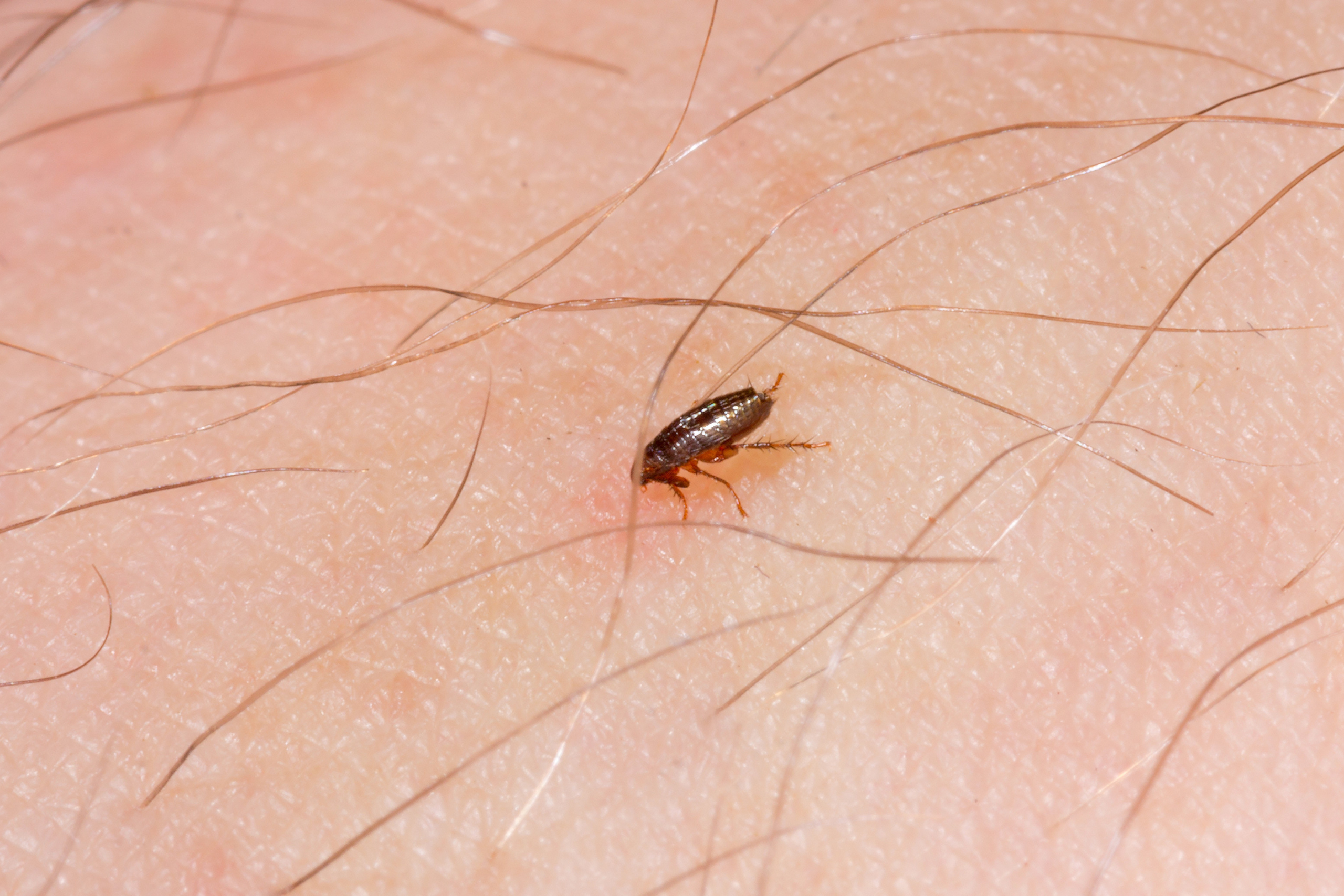
image of what a flea looks like - picture from My Organic Turf

Where Are Fleas, Mites, and Ticks Coming From?

These pests don’t all live or behave the same way. Fleas often develop where pets rest. Ticks wait in vegetation or sheltered outdoor areas for a host to pass. Mites are a much broader group, and some species are associated with birds, rodents, plants, or indoor environments.

That difference matters. Treating the lawn may help with certain outdoor pests, but it won’t solve every problem involving an animal, nest, or indoor source.

  • The Problem May Start With an Animal

    Pets and wildlife can bring fleas, ticks, or certain mites close to the house. Flea eggs may fall into bedding, carpets, and other places where animals spend time.

    We ask where pets rest and where pest activity has been noticed before deciding which areas need inspection.

  • Small Pests Are Easy to Misidentify

    An itchy bite doesn’t tell us whether the cause is a flea, mite, tick, or something else. Some mites don’t bite people at all, while others are associated with a specific animal or nesting site.

    Our Service Pros look for evidence of the pest before recommending treatment. If identification requires specialist testing or veterinary care, we’ll explain that.
OUR FLEA, MITE, AND TICK CONTROL PROCESS

What Happens During Treatment?

Tell Us What You've Noticed

We start with the problem you're seeing. Maybe fleas are appearing near a pet's bed, ticks are showing up after yard work, or tiny pests have been found near a window.

Tell us where and when the activity started and whether pets or wildlife use the area.

Inspect the Likely Trouble Spots

Our Service Pros check accessible areas where the pest may be resting, breeding, or entering the property.

The inspection may include shaded lawn areas, vegetation, pet resting spaces, or locations associated with animal activity.

Identify the Pest

Fleas, ticks, and mites require different approaches. We look for physical evidence and identify the pest as closely as possible.

If the cause remains uncertain, we won't recommend an application simply because someone has reported bites.

Treat the Affected Areas

When treatment is appropriate, we use a method suited to the pest, location, and product label.

We take care around pet spaces, outdoor living areas, and other places where people or animals may come into contact with treated surfaces.

Explain What Happens Next

Some pests have life stages that survive initial treatment or emerge later. Fleas, in particular, may continue appearing for a period as developing stages mature.

We explain the expected response and any cleaning, access, or follow-up instructions.

Review Continued Activity

If pests remain active beyond the expected period, let us know.

We can check for another source, continued animal exposure, or a reason the treatment hasn't reached the affected area.

FLEA, MITE, AND TICK CONTROL SERVICES

How We Handle Fleas, Mites, and Ticks

Flea Control

Fleas can become established around pet bedding, shaded outdoor areas, and places where animals spend time. Once eggs and developing fleas are present, the problem may continue even after the adult fleas are treated.

We inspect likely activity areas and recommend treatment where appropriate. Household cleaning and veterinarian-recommended flea protection for pets may also be needed to bring the infestation under control.

Tick Control

Ticks are often found in tall grass, leaf litter, brush, and other sheltered places where animals travel. They may attach to people or pets after time outdoors.

Our Service Pros check vegetation, lawn edges, and commonly used outdoor spaces. We recommend targeted control where ticks are present and explain how trimming vegetation and managing yard debris may help reduce exposure.

Mite Control

Mites can be especially frustrating because the source isn’t always obvious. Some live on plants, while others may be connected to bird nests, rodents, or indoor materials. The right response depends entirely on which mite is present.

We review the symptoms and inspect accessible areas for signs of activity. If treatment falls within our services, we explain the options. Problems involving medical conditions, pet parasites, or specialist mite identification may need another qualified professional.

KNOW WHEN TO HAVE THE AREA CHECKED

When Do Fleas, Mites, or Ticks Need Attention?

Finding a tick after a walk or seeing a pet scratch once doesn’t necessarily mean your property has an infestation. Repeated sightings, fleas around resting areas, or ticks appearing regularly in the yard deserve a closer look.

Pets Keep Scratching

Frequent scratching, flea dirt in the coat, or fleas appearing near pet bedding may point to an active flea problem.

We check the areas pets use while recommending that a veterinarian assess and treat the animal itself.

Ticks Keep Appearing After Yard Time

If family members or pets regularly pick up ticks in the same part of the property, there may be suitable habitat nearby.

Our Service Pros inspect grass edges, shaded vegetation, and areas where wildlife may pass.

Small Pests Are Appearing Indoors

Tiny moving specks around windows, bedding, or other indoor spaces can have several possible causes. Not every small insect or mite is responsible for skin irritation.

We look for identifiable pest activity before deciding whether a treatment is appropriate.

The Problem Returns After Cleaning

Vacuuming and washing bedding are useful, but flea eggs and developing stages may remain in protected areas. Continued animal exposure can also bring new pests into the home.

We review what’s already been done and whether an untreated source remains.

AFTER FLEA, MITE, AND TICK TREATMENT

What Should You Do After Treatment?

Treatment is only one part of managing these pests. The steps afterward depend on what was found, where it was treated, and whether animals are involved.

Follow Pet and Family Precautions

Keep children and pets out of treated areas until the product’s re-entry requirements have been met.

We explain any specific restrictions before you use the space again.

Wash Pet Bedding When Appropriate

For flea problems, wash suitable pet bedding and other washable materials according to the care instructions.

Coordinate cleaning with the treatment plan so you don’t disturb products that need to remain in place.

Vacuum the Right Areas

Regular vacuuming can help remove fleas and developing stages from carpets, rugs, and upholstered areas.

Empty or dispose of vacuum contents carefully and follow the instructions given for any indoor treatment.

Keep Up With Veterinary Flea and Tick Prevention

Yard treatment doesn’t replace flea or tick protection for pets. Animals can pick up new parasites outside the property.

Ask your veterinarian which preventive products are suitable for your pet.

Trim Overgrown Vegetation

Keeping lawn edges and frequently used areas maintained may help make the yard less suitable for them.

Report New Pest Activity

Let us know if fleas continue appearing, ticks are repeatedly found in the same area, or a suspected mite problem changes.

A new pattern may point to a source that wasn’t apparent during the first inspection.

Why Do Fleas, Mites, and Ticks Keep Showing Up?

Sometimes the problem starts outside and follows an animal indoors. Other times, the source is already inside the house or somewhere nearby. Knowing which situation you’re dealing with makes treatment much more useful.

For additional information on tick prevention and reducing exposure, see the CDC’s guidance on preventing tick bites.

  • Warm Weather Supports Flea Activity

    Fleas often develop more readily under suitable warm, humid conditions. Eggs and larvae can remain in protected places where animals spend time.

    We pay attention to those resting areas rather than treating every part of the yard alike.

  • Shaded Vegetation Can Harbor Ticks

    Ticks need suitable humidity and shelter to survive. Leaf litter, brush, and shaded vegetation can provide favorable conditions.

    Our Service Pros check these areas, especially where people and pets regularly walk.

  • Wildlife Can Bring Pests Close to Home

    Rodents, birds, and other animals can carry fleas, ticks, or certain mites. Nests and sheltered animal spaces may also become sources of pest activity.

    Removing the source may require wildlife exclusion or another qualified service before pest treatment will be effective.

  • Indoor and Outdoor Sources May Overlap

    Fleas can develop indoors while new parasites are introduced from outside. Some mites may appear indoors after leaving an abandoned bird or rodent nest.

    We consider both possibilities before recommending further treatment.

COMMON FLEA, MITE, AND TICK QUESTIONS

Flea, Mite, and Tick Control FAQs

Get Fleas, Mites, and Ticks Under Control

Finding another flea near the pet bed or pulling a tick off your clothing gets frustrating quickly. Treating the right areas matters, but so does finding out how the pests are getting there.

Tell My Organic Turf what you’ve noticed and where the activity keeps showing up. Our Service Pros will inspect the affected areas, explain what we find, and recommend appropriate control without treating an unidentified pest on guesswork.