HEALTHIER TREES, SHRUBS, AND PALMS
Yellowing palms, thinning shrubs, or trees struggling to produce healthy new growth? My Organic Turf provides tree and shrub care services in Tampa, FL, including organic-based fertilization, plant health assessments, and targeted palm trunk injections.
Our Service Pros consider Tampa’s sandy soils, seasonal rainfall, irrigation conditions, and each plant’s nutritional needs before recommending treatment.
A CARE PLAN BUILT AROUND YOUR PLANTS
Our Service Pros examine the foliage, branches, canopy, and visible trunk condition. We look for yellowing leaves, damaged palm fronds, weak new growth, and changes in the plant's overall appearance.
The location of the damage matters. Older leaves may show one type of nutritional problem, while distorted new growth can indicate something different.
Tampa properties do not all have the same soil conditions. Some have loose sand that dries quickly, while others contain compacted fill or poorly drained planting beds.
We review soil moisture, irrigation coverage, drainage, and recent changes around the roots. These details help determine whether the plant needs nutrients or a correction to its growing environment.
If nutritional support is suitable, we develop an organic-based fertilization plan for the tree, shrub, or palm.
Certain palm health concerns may call for a trunk injection assessment. When symptoms suggest disease or another problem outside routine plant care, we explain why further diagnosis may be necessary.
Our Service Pros apply fertilizer around the appropriate root area, following the treatment plan, product directions, and applicable local requirements.
When a palm qualifies for a prescribed trunk injection, the treatment is administered directly into the tree. We explain its purpose and any follow-up requirements.
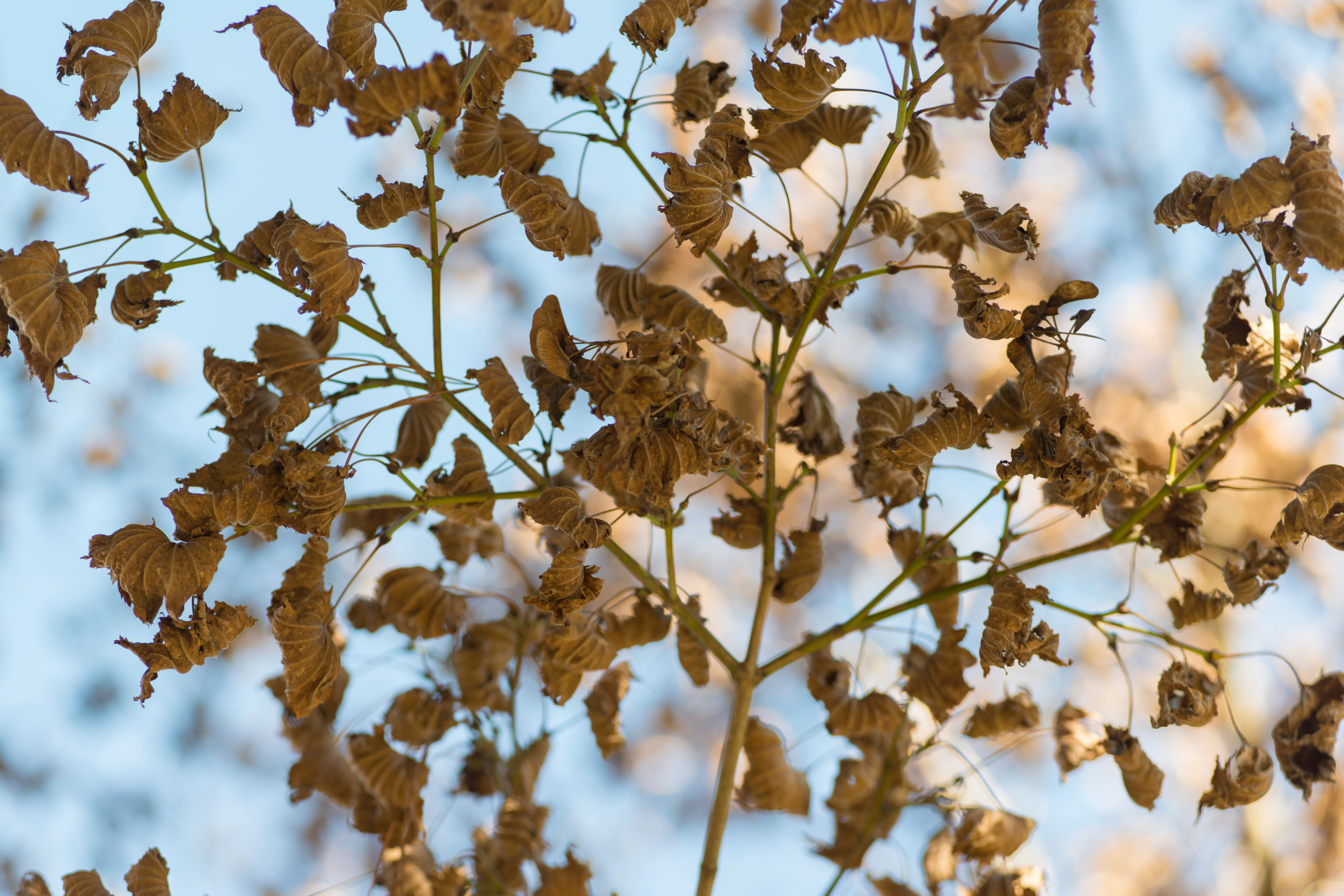
Trees and shrubs respond through new growth, so improvement is rarely immediate. Older brown leaves may remain damaged even after the underlying nutritional problem has been addressed.
We explain what changes to watch for and whether continued fertilization, monitoring, or another assessment is appropriate.
HELP YOUR LANDSCAPE RESPOND TO TREATMENT
Tampa’s dry spring weather and rainy summers call for different watering habits. Follow the recommendations for your plants rather than automatically increasing irrigation after treatment.
Soil should receive adequate moisture without remaining constantly saturated.
Avoid raking away or relocating fertilizer placed around the root area unless instructed.
If a heavy storm moves the material onto pavement or into an unintended area, contact our team before applying additional fertilizer.
Removing yellow leaves or partly green palm fronds too early can place additional stress on a plant.
Some damaged foliage continues supplying nutrients. Wait for guidance before trimming growth that is still alive.
Avoid digging, piling soil, or placing heavy equipment around trees and shrubs while they are under care.
If a palm receives a trunk injection, leave the injection site undisturbed and follow the instructions provided.
Look for healthier leaves, improved color, and normal frond development over time.
Report sudden canopy decline, distorted new growth, or a damaged palm spear promptly. These changes may require a different approach.
Yellow leaves can indicate nutritional deficiencies, moisture problems, root stress, or disease. The pattern of discoloration often provides important clues.
For example, yellowing between leaf veins may have a different cause from browning along the edges.
Ixora, hibiscus, and other ornamental shrubs may gradually lose density or develop smaller leaves when growing conditions are unsuitable.
We examine the foliage, root environment, and watering patterns before recommending fertilization.
A tree producing fewer leaves or showing premature leaf drop may be under stress.
Changes in drainage, construction near the roots, or prolonged dry conditions can contribute to decline. Structural damage or hazardous branches require an appropriately qualified tree professional.
Older palm fronds naturally decline, but widespread yellowing, rapid browning, or damaged new growth deserves attention.
Nutrient deficiencies are possible causes, although root problems and disease must also be considered.
PLANT CARE THROUGH TAMPA'S SEASONS
March through May is often relatively dry in Tampa. Young trees and ornamental shrubs may struggle when irrigation does not reach the full root area.
We check moisture conditions before recommending fertilizer. A plant experiencing drought stress may need watering adjustments first.
Tampa’s rainy season brings frequent afternoon thunderstorms, high humidity, and periods of saturated soil.
Sandy soils can lose nutrients through leaching, while poorly drained planting beds may remain wet long enough to stress roots. Fertilization plans must also account for applicable local seasonal restrictions.
After months of heat and rainfall, plants may show thinning foliage, nutrient deficiencies, or damage associated with prolonged wet conditions.
Fall is a useful time to review growth patterns, irrigation performance, and whether additional care is appropriate.
Tampa winters are generally mild, but cold fronts can still affect tropical and subtropical plants.
Some shrubs slow their growth, and cold-sensitive foliage may become discolored. We consider seasonal conditions before recommending treatment rather than fertilizing automatically.
NUTRITION FOR TREES AND ORNAMENTAL SHRUBS
Established trees may benefit from nutritional support when a deficiency is identified. My Organic Turf considers the tree’s species, growth, canopy condition, and surrounding soil before recommending an application.
Fertilization supports healthy development but cannot correct severe root damage, structural defects, or diseases requiring separate treatment.
Ornamental shrubs have different nutritional requirements. Ixora, for example, may develop yellow foliage when soil conditions limit nutrient availability.
Our Service Pros examine the plant’s symptoms and growing environment before recommending organic-based fertilization.
Many Tampa-area soils are sandy, but individual properties may contain compacted fill, disturbed soil, or poorly drained areas.
We consider these differences because nutrient availability and root health depend on more than the fertilizer applied.
Improvement is generally seen in new leaves and healthier growth rather than the recovery of already damaged foliage.
We review how the plant responds and explain whether additional applications or changes in care may be needed.
DEDICATED CARE FOR TAMPA PALMS
Palms are a familiar part of Tampa’s landscape, from residential neighborhoods to properties near Tampa Bay. They also need a different approach from ordinary shade trees and shrubs.
My Organic Turf provides palm health assessments, organic-based palm fertilization, and eligible trunk injection treatments. We consider the palm species, condition, and surrounding soil before recommending care.
Suspected cases require proper assessment because other palm conditions can produce similar symptoms. Learn more from the University of Florida IFAS guide to lethal bronzing.
Florida palms commonly experience nutritional problems involving potassium, magnesium, manganese, and other essential nutrients.
Tampa’s sandy soils can make nutrient retention difficult, particularly during prolonged rainfall or excessive irrigation. We recommend palm-specific nutritional care when deficiencies are identified rather than relying on general lawn fertilizer.
Yellow-orange spotting on older fronds, brown tips, and discolored leaf edges may indicate nutritional deficiencies.
Damage affecting newly emerging fronds can suggest a different concern. We examine the pattern of discoloration and the palm’s growing conditions before selecting a treatment.
Suspected cases require proper assessment because other palm conditions can produce similar symptoms. Learn more from the University of Florida IFAS guide to lethal bronzing.
Some palm health concerns require treatment beyond soil fertilization. My Organic Turf offers trunk injections for eligible preventive and health management programs.
The treatment is delivered directly into the palm using a prescribed product and method. Not every palm requires an injection, and the procedure is not a replacement for proper nutrition or irrigation.
Lethal bronzing is a serious disease affecting certain Florida palm species. Possible symptoms include premature fruit drop, dying flower stalks, browning fronds, and damage to the central spear leaf.
The disease cannot be cured once a palm is infected. Preventive antibiotic injections may be considered for susceptible, uninfected palms under appropriate professional guidance, but they do not guarantee protection.
TAMPA CONDITIONS THAT INFLUENCE PLANT HEALTH
Much of the Tampa area has sandy soil that drains quickly and may retain relatively few nutrients.
Heavy summer rainfall can move nutrients below the root zone. We consider soil conditions when planning fertilization rather than assuming every plant needs the same application.
One part of a Tampa yard may dry quickly while another stays wet after a storm.
Uneven irrigation, compacted soil, and poor drainage can interfere with root health. Our sprinkler maintenance and repair services can help address irrigation concerns.
Properties closer to tidal waters may experience salt spray during windy weather or coastal storms.
Salt-sensitive trees and shrubs can develop brown leaf edges and reduced growth. We consider the property’s exposure and the plant’s tolerance before recommending care.
Palms, shrubs, and turfgrass often share the same root area, but they do not necessarily need the same nutrients.
Coordinating fertilization helps prevent unnecessary overlap and nutritional imbalances. Our lawn and shrub care services address broader landscape maintenance needs.
LOCAL CARE WITH ATTENTION TO DETAIL
A palm near Tampa Bay, an ornamental hedge beside a driveway, and a mature oak growing in a shaded yard face different conditions. My Organic Turf considers those differences before recommending treatment.
Our team includes a State Certified Horticulture Operator and a Certified Pest Control Operator. Our Service Pros provide organic-based fertilization for trees, shrubs, and palms, along with eligible palm trunk injections.
We explain what the treatment is intended to accomplish, how the plant may respond, and when another problem needs attention. Our services focus on plant health rather than structural tree pruning or removal.
Learn more about our tree and palm care services.
TREE AND SHRUB CARE QUESTIONS
Yellowing palms, thinning shrubs, and struggling trees deserve more than another application of fertilizer.
My Organic Turf provides tree, shrub, and palm care suited to Tampa’s soil, weather, and growing conditions. Our Service Pros assess the affected plants and explain whether organic-based fertilization, monitoring, or an eligible palm treatment is appropriate.
Tell us which plants need attention and what changes you have noticed. Contact My Organic Turf to discuss tree and shrub care for your Tampa property.