NUTRITION PLANNED FOR TAMPA GRASS

Lawn Fertilization Services in Tampa, FL

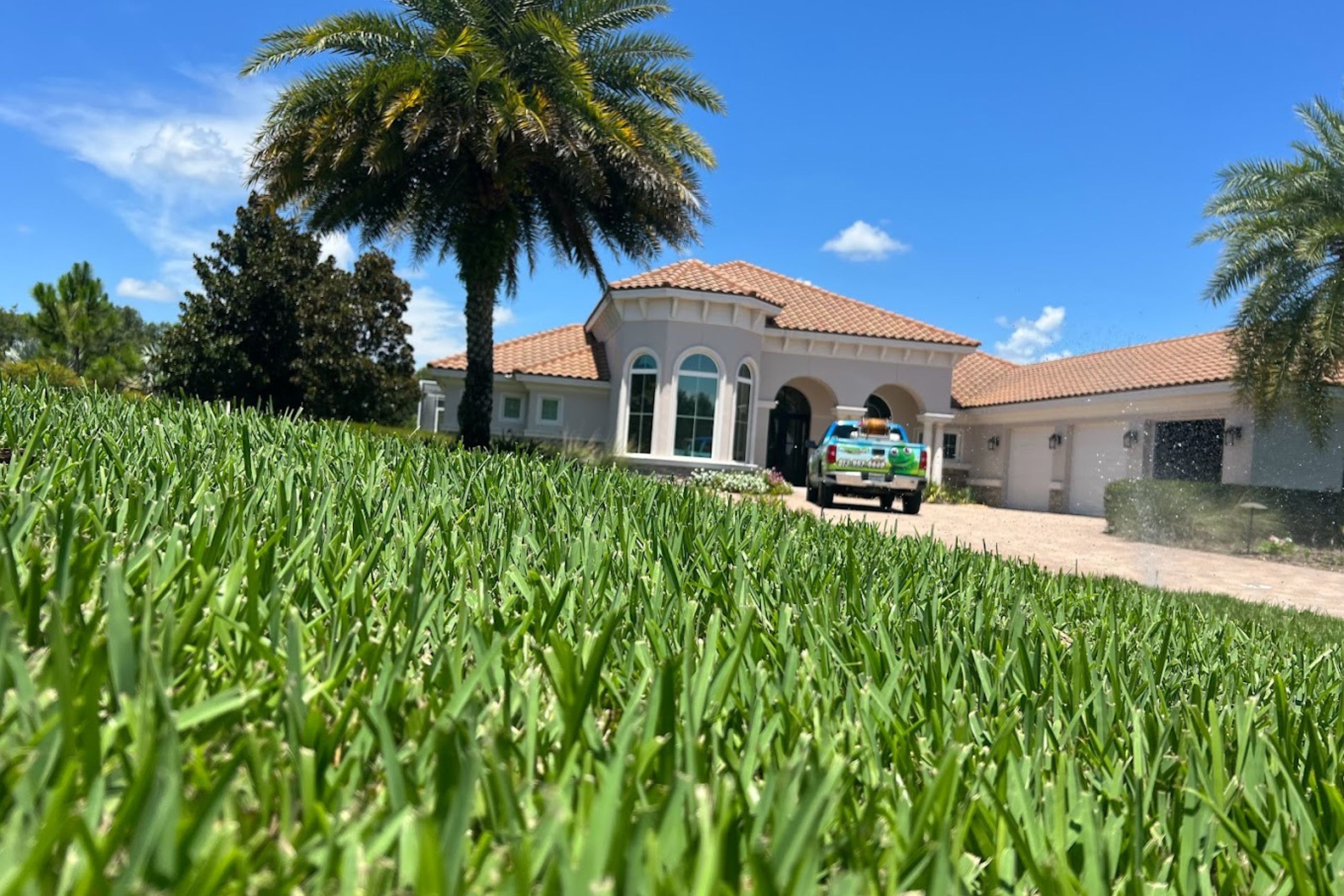
Is your grass losing color, growing unevenly, or remaining thin despite regular watering? My Organic Turf provides lawn fertilization in Tampa based on your grass type, season, and property conditions.

Is Your Tampa Lawn Getting the Nutrition It Needs?

Pale color, slow growth, and thin turf may point to a lack of nutrients, but they can also result from poor sprinkler coverage, shade, compacted soil, insects, disease, or mowing damage. Tampa’s heat, heavy summer rain, and sandy soils can further affect how the lawn uses water and nutrients.

My Organic Turf checks the grass, soil surface, sunlight, watering pattern, and visible stress before setting the fertilization plan. We use 100% organic fertilizer and adjust the service to the property instead of applying the same amount to every Tampa lawn.

START WITH THE WHOLE LAWN

How Does Lawn Fertilization Work?

We begin with the grass and the conditions surrounding it. This keeps each application tied to what the lawn needs now.

We Assess the Grass

We check the grass type, color, density, growth, and visible stress. We pay closer attention to thin areas, bare patches, weeds, and signs of poor sprinkler coverage.

We may also ask about mowing, watering, recent sod installation, and previous lawn treatments. These details help explain why one part of the yard may look different from another.

We Review the Property Conditions

Sunlight, shade, drainage, soil, and irrigation all influence how grass responds to fertilizer. A shaded area may grow slowly, while a low section may remain wet after Tampa’s afternoon storms.

If another problem is holding the lawn back, we point it out before treating the symptoms as a nutrient shortage.

We Set the Fertilization Plan

The plan reflects the grass, season, weather, and current lawn condition. We determine where fertilizer is appropriate and when the lawn is ready to receive it.

Applications may change during the year because warm-season grass does not grow at the same rate in every season. A recent drought, heavy rain, cold weather, or lawn damage may also affect timing.

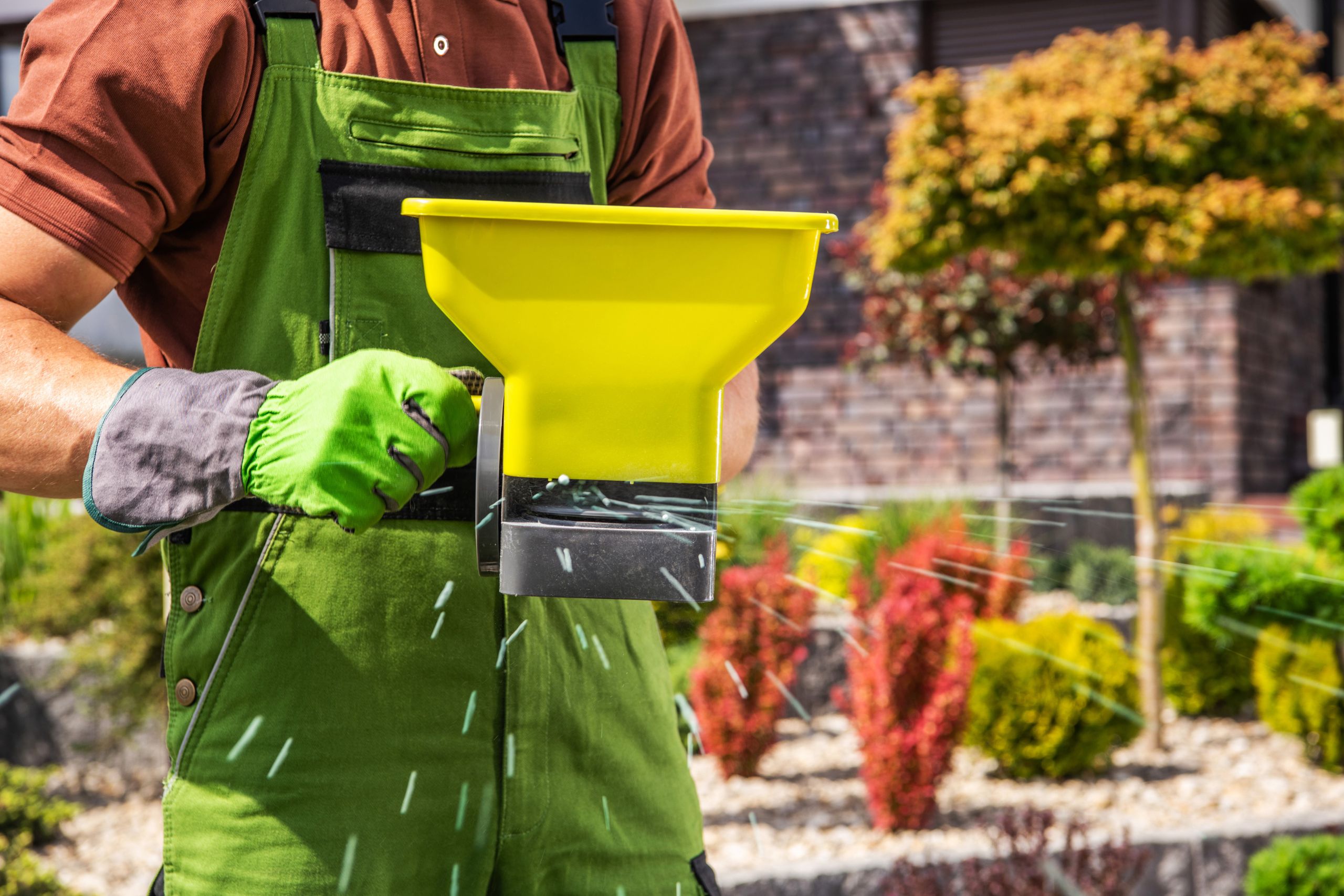
We Apply the Fertilizer

Our service professionals treat the appropriate turf areas while watching for pavement, plant beds, water, and areas where runoff could occur.

We don't assume every part of the property has identical needs. Shade, drainage, and uneven growth may call for closer attention in specific areas.

We Review the Response

Future visits allow us to check color, growth, weeds, moisture, and overall condition. If the lawn does not respond as expected, we look for the reason.

Watering, mowing, insects, disease, compaction, and shade can all affect the results of a fertilization program.

HELP THE APPLICATION DO ITS JOB

What Should You Do After Fertilization?

Aftercare depends on the application, weather, and grass condition. Follow the directions provided for your property after each visit.

Follow the Watering Instructions

Some applications need watering, while others need time to remain undisturbed. Wait for your service professional’s directions before running the sprinklers.

Let us know if heavy rain arrives shortly after service and you are unsure whether the application was affected.

Wait Before Mowing

Allow the recommended amount of time before mowing. Cutting too soon may interfere with the application.

When mowing resumes, keep the grass at a suitable height for its variety. Avoid removing too much growth at once.

Watch the Sprinkler Coverage

Check for sprinkler heads that are blocked, tilted, leaking, or failing to reach part of the lawn. Uneven watering becomes easier to notice as the grass grows.

Our sprinkler maintenance and repair service in Tampa can address coverage, adjustments, damaged heads, and system concerns.

Leave Normal Clippings When Appropriate

Short, evenly spread grass clippings can return useful material to the lawn. Break up or remove heavy piles because they may block sunlight and hold moisture against the grass.

Report Unexpected Changes

Contact us if the lawn develops rapid thinning, unusual spots, or new discoloration after service. A clear photo and the location of the change can help us review the concern.

root rot

What Are the Signs a Lawn May Need Fertilization?

Faded grass is one common sign, but changes in growth, density, and recovery may also point to a nutrition concern.

  • Pale or Uneven Color

    Grass that has lost its usual color may need support. The change may affect the whole lawn or appear in scattered sections.

    Color alone does not confirm a nutrient shortage. Irrigation problems, shade, insects, and disease can create a similar appearance.

  • Slow Seasonal Growth

    Grass that barely grows during Tampa’s active growing season may not be receiving what it needs. The concern becomes more noticeable when nearby areas recover normally after mowing or rain.

    A naturally slower period should not be treated as a lawn problem. Timing and grass type both matter.

  • Thin Turf

    Thin grass leaves visible soil and more room for weeds to establish. Fertilization may support growth, but it cannot correct every reason the lawn has become sparse.

    Shade, compaction, poor watering, insects, and repeated scalping can also thin the grass.

  • Weak Recovery

    Foot traffic, pets, weather, and ordinary use can wear down a lawn. Healthy turf should recover gradually while it grows actively.

    If the area stays worn, the lawn may need nutrition along with changes to watering, mowing, or traffic patterns.

TAMPA WEATHER AFFECTS THE SCHEDULE

When Should a Tampa Lawn Be Fertilized?

Fertilize warm-season grasses when they are actively growing and can use the nutrients. The right timing depends on the grass type, recent weather, lawn condition, and applicable fertilizer rules.

A fixed calendar does not account for every property. An unusually cool period may slow growth, while heat and regular rain may keep grass active. New sod also needs time to establish before you begin regular fertilization.

Heavy rain deserves attention. Applying fertilizer before a strong storm may increase runoff and reduce how much reaches the lawn. Dry weather creates a different problem when the sprinkler system does not cover the treatment area evenly.

Tampa restricts the use of nitrogen and phosphorus fertilizer during the summer rainy season. My Organic Turf considers these requirements when planning service. The City of Tampa fertilizer ordinance provides current information.

Florida lawn cut crass after rain

ORGANIC FERTILIZER WITH A PURPOSE

Why Do We Use Organic Lawn Fertilizer?

My Organic Turf uses 100% organic fertilizer as the foundation of our lawn fertilization service. The purpose is to provide steady nutrition based on the grass and property rather than forcing rapid growth with an oversized application.

Fertilizer works best as part of a complete lawn care plan. Suitable mowing, consistent watering, healthy soil, and seasonal timing all influence how the grass responds.

Organic fertilizer cannot repair a broken sprinkler head, deep shade, compacted soil, or active pest damage. You need to address those concerns alongside the fertilization plan.

Our ongoing lawn assessments help us see how the grass is responding. When the weather or property conditions change, we can update the recommendation instead of continuing with a plan that no longer fits.

organic fertilizers high in nitrogen

FERTILIZER IS ONE PART OF LAWN CARE

What Else Can Affect the Results?

Several conditions may limit how well the grass responds, even when the fertilization plan is appropriate.

Irrigation Coverage

Water needs to reach the root area evenly. Too little leaves grass dry and weak, while too much can keep the soil wet and contribute to other lawn problems.

A sprinkler system may run normally even when a damaged or misaligned head misses part of the lawn.

Mowing Habits

Cutting warm-season grass too short removes useful leaf growth and exposes more soil to Tampa’s heat. Dull blades may tear the grass instead of cutting cleanly.

The correct mowing height varies by grass type. Regular mowing is usually better than letting the lawn get overgrown and then cutting it severely.

Weed Pressure

Open spaces in thin turf give weeds more room to grow. Improving lawn density may reduce some of that space, but established weeds often need separate treatment.

Our Tampa lawn and shrub care services include targeted weed control, along with fertilization and other lawn treatments.

Soil Compaction

Compacted soil limits the movement of water, air, and nutrients into the root area. Fertilizer cannot remove that physical restriction.

Lawn aeration in Tampa may be appropriate when compaction is affecting drainage or root growth.

CARE BASED ON YOUR GRASS

Why Choose My Organic Turf?

No two Tampa lawns have the same grass, sunlight, watering pattern, or soil conditions. We inspect the property before recommending a fertilization plan.

My Organic Turf uses 100% organic fertilizer and adjusts applications to the season and the lawn’s condition. If discoloration or thinning comes from another source, we explain what we found instead of adding fertilizer without a reason.

You also receive practical instructions for watering, mowing, and monitoring the grass after service. Regular visits let us review the response, catch new concerns, and make changes when the lawn needs them.

TAMPA LAWN FERTILIZATION QUESTIONS

Frequently Asked Questions About Lawn Fertilization

Request Lawn Fertilization in Tampa, FL

Pale color, slow growth, and thin grass do not always have the same cause. My Organic Turf evaluates your turf, sprinkler coverage, sunlight, soil, recent weather, and season before recommending fertilization for your Tampa property.

You receive a plan based on the lawn in front of us, along with clear directions for watering, mowing, and monitoring the grass after service. 

Share your property address, what you have noticed, and how long the concern has been present. We will assess the lawn and recommend the appropriate next step.