BETTER SOIL STARTS BELOW THE GRASS

Liquid Aeration Services in Tampa, FL

Does water run off your lawn instead of soaking in? Are certain areas staying thin even with regular watering and fertilization? My Organic Turf provides liquid aeration services in Tampa, FL, to help improve soil conditions and support healthier root growth.

Unlike traditional core aeration, liquid aeration involves applying a soil treatment rather than pulling plugs from the ground. Our Service Pros check the lawn and its growing conditions before recommending whether this approach is suitable.

Is Your Tampa Lawn Struggling With Compacted Soil?

A lawn can look healthy on top while the soil underneath makes growth difficult. Repeated foot traffic, pets, lawn equipment, and construction activity may leave the ground compacted.

When soil becomes tightly packed, water and air have difficulty moving through it. Grass may develop shallow roots, thin patches, or uneven growth, particularly in heavily used areas.

Tampa’s sandy soils often drain quickly, but that does not mean every yard has loose ground. Properties with construction fill, compacted subsoil, or frequent traffic can develop problem areas.

My Organic Turf checks the soil, moisture, drainage, and turf condition before recommending liquid aeration. Thin grass alone does not confirm compaction.

SOIL CARE WITHOUT PULLING CORES

How Does Our Liquid Aeration Service Work?

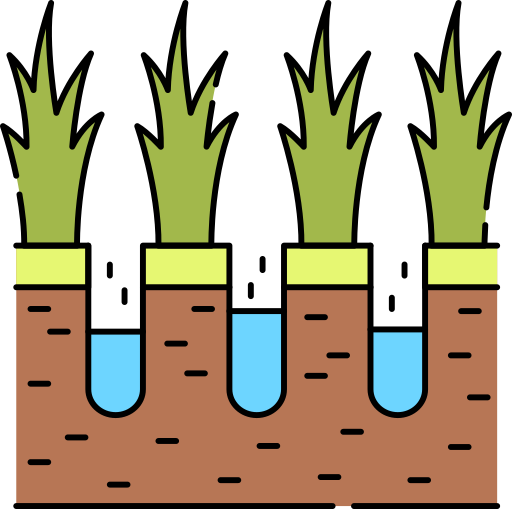
Liquid aeration uses a soil-applied product intended to improve soil conditions and support water movement. It does not mechanically remove compacted soil like core aeration, and results depend on the formulation and property conditions.

We Inspect the Lawn

We begin with areas that stay thin, feel unusually firm, or develop runoff after irrigation.

Our Service Pros check the grass type, soil surface, moisture, and how the property is used. We also ask about recent construction, landscaping, and irrigation changes.

We Evaluate the Soil Conditions

Not every hard or dry area needs aeration.

We look for signs of compaction, poor water infiltration, uneven moisture, and other conditions that may be affecting the roots. If a sprinkler problem or drainage issue is responsible, we explain that before recommending treatment.

We Select the Appropriate Application

If liquid aeration is suitable, we determine where the product should be applied and when conditions are appropriate.

The application depends on the product formulation, lawn condition, soil moisture, and weather. We explain what the treatment is intended to accomplish and where its limitations lie.

We Apply the Liquid Aeration Treatment

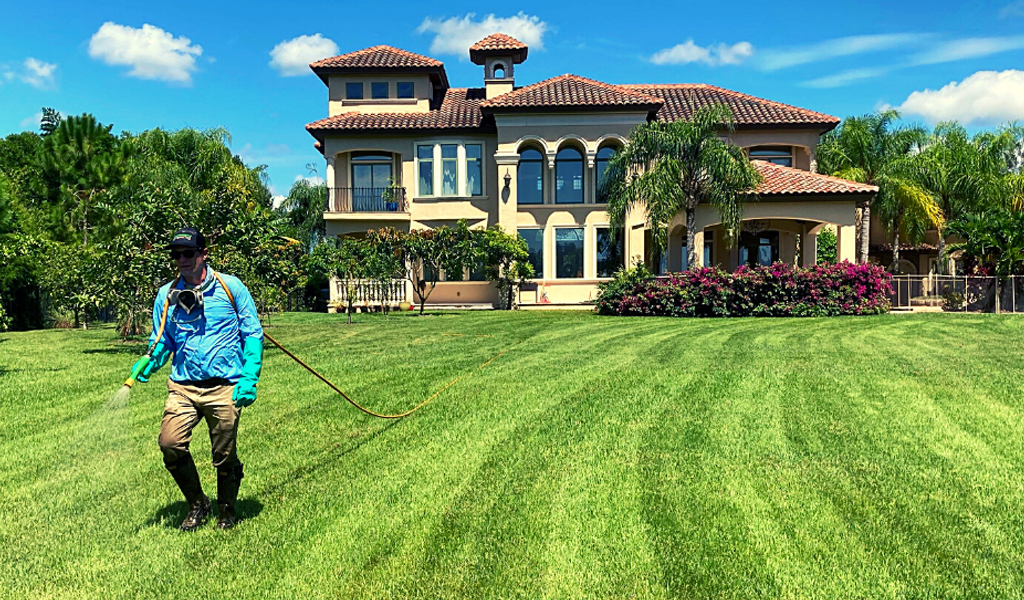
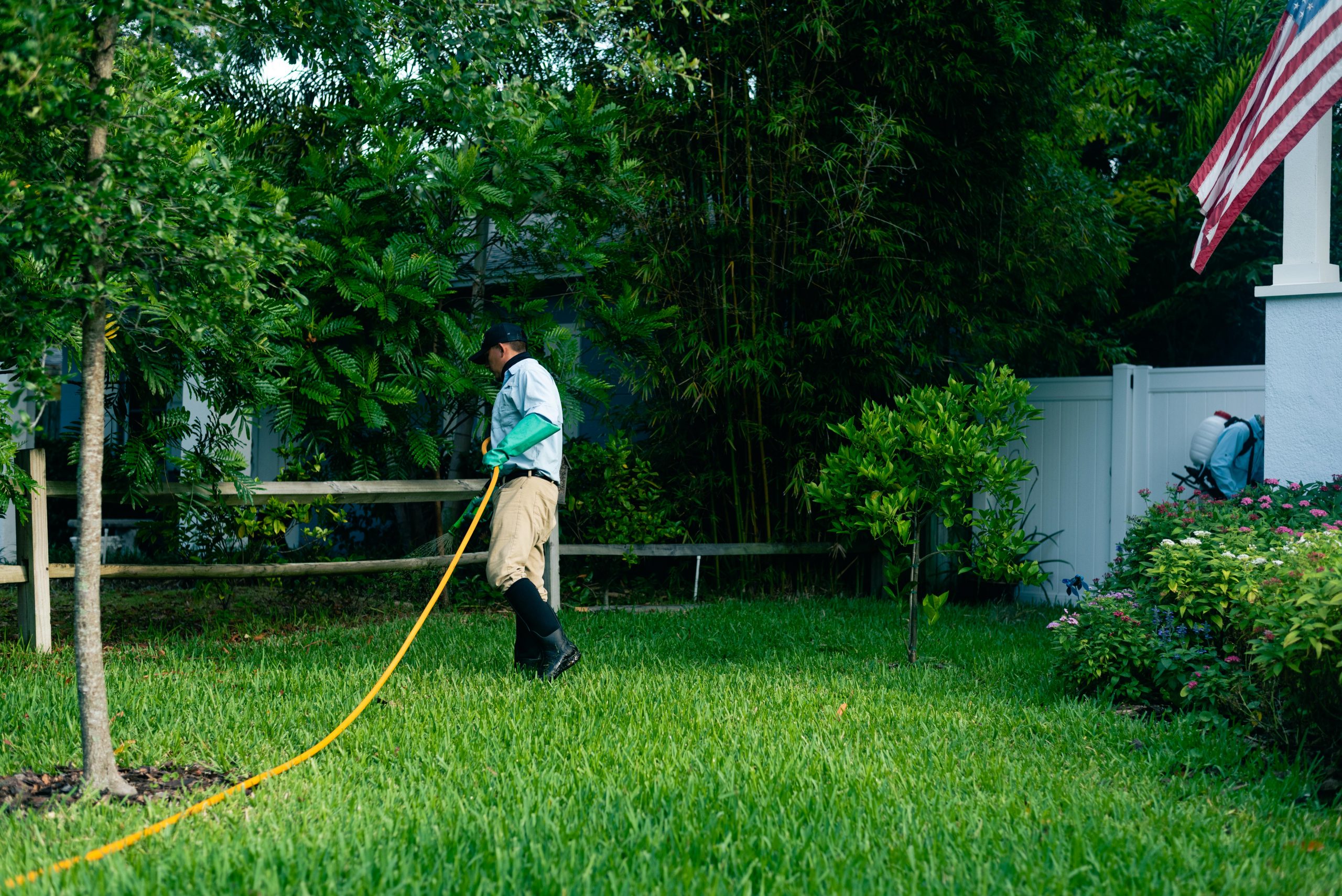
Our Service Pros apply the selected liquid treatment to the appropriate lawn areas according to the product instructions.

There are no soil plugs to collect or mechanical cores left across the grass. We pay attention to nearby pavement, landscape beds, and drainage areas during application.

We Explain What Comes Next

After service, we provide instructions for watering, mowing, and using the lawn.

We also explain what to monitor as the grass continues growing. Soil improvements may take time, and heavily compacted areas may require additional or different treatment.

SUPPORT THE SOIL AFTER TREATMENT

What Should You Do After Liquid Aeration?

Aftercare depends on the liquid aeration product used, recent weather, and the lawn’s condition. Follow the instructions provided after your appointment.

Follow the Watering Instructions

Some liquid aeration products require watering after application, while others have different directions.

Wait for our Service Pros to explain when to run your sprinklers. Avoid assuming that extra watering will improve the treatment.

Wait Before Mowing

Follow the recommended waiting period before mowing.

Once mowing resumes, maintain the proper height for your grass variety. Cutting warm-season turf too short can add stress when the lawn is already struggling.

Limit Heavy Foot Traffic

Repeated traffic can contribute to soil compaction.

Avoid parking equipment, storing heavy materials, or repeatedly crossing problem areas while the lawn is recovering.

Monitor Moisture and Drainage

Watch how water moves across the treated areas during irrigation and after rainfall.

If puddles remain or runoff continues, the lawn may have a drainage or irrigation problem that liquid aeration cannot correct on its own.

Report Unexpected Changes

Let us know if the grass develops unusual discoloration, rapid thinning, or other changes after treatment.

We can review the affected area and determine whether another lawn condition needs attention.

What Are the Signs Your Tampa Lawn May Need Liquid Aeration?

  • Water Running Off the Lawn

    Water flowing toward the sidewalk instead of soaking into the ground may indicate poor infiltration.

    Compaction is one possible cause, but irrigation output, slope, and soil conditions also matter.

  • Thin Grass in High-Traffic Areas

    Repeated walking, pets, and lawn equipment can gradually compress soil.

    Grass near gates, patios, and frequently used paths may struggle when root growth is restricted.

  • Hard or Difficult-to-Penetrate Soil

    Ground that remains unusually firm even when slightly moist may have compacted areas.

    We assess the soil rather than relying on surface hardness alone, particularly on properties containing construction fill.

  • Uneven Moisture and Slow Recovery

    One section of a lawn may remain dry while another holds water after rainfall.

    These differences can result from compaction, drainage, irrigation coverage, or soil variation. We check the cause before recommending treatment.

TAMPA WEATHER CHANGES THE APPROACH

When Is the Best Time for Liquid Aeration in Tampa?

Liquid aeration should be planned around active turf growth, suitable soil moisture, and the product’s application requirements.

Tampa’s weather changes significantly throughout the year, so timing should reflect the lawn’s current condition rather than a fixed calendar.

Spring: Dry Weather and Increasing Growth

Spring often brings warm temperatures and relatively dry conditions.

If the soil is extremely dry, the lawn may need moisture management before treatment. We check the grass and soil conditions rather than applying a product to severely stressed turf.

Summer: Heavy Rain and Saturated Areas

Frequent afternoon thunderstorms can leave some Tampa lawns wet for extended periods.

Applications may need to be rescheduled when heavy rainfall could interfere with the treatment or contribute to runoff. Standing water may also indicate a drainage problem that needs separate attention.

Fall: Reviewing Summer Stress

After months of heat and rainfall, thin or heavily used areas may become more noticeable.

Fall can provide an opportunity to review soil conditions and determine whether liquid aeration fits the lawn’s current needs.

Winter: Slower Turf Growth

St. Augustinegrass and other warm-season grasses generally grow more slowly during cooler weather.

We consider turf activity, recent cold conditions, and the product requirements before scheduling treatment.

UNDERSTAND THE DIFFERENCE

How Is Liquid Aeration Different From Core Aeration?

Liquid Aeration Uses a Soil Treatment
Liquid aeration involves applying a product to the soil surface. Depending on the formulation, it may be intended to improve wetting, water movement, or other soil conditions.

It does not physically remove compacted soil.

Core Aeration Removes Soil Plugs
Traditional core aeration uses equipment to pull small plugs from the lawn.

Those openings physically relieve compaction and create pathways for air and water. Liquid applications do not create the same mechanical openings.

Liquid Aeration Leaves No Soil Plugs
A liquid application does not leave scattered cores across the grass.

There is no need to collect or break down soil plugs after service, although watering and other aftercare instructions may still apply.

Severe Compaction May Need Another Solution
Liquid aeration is not necessarily a substitute for mechanical core aeration.

Where soil is heavily compacted, physically removing cores may provide more direct relief. We explain when a liquid treatment may be suitable and when another approach deserves consideration.

TAMPA SOIL CONDITIONS ARE NOT ALL THE SAME

What Else Can Affect Liquid Aeration Results?

Sandy Soil and Construction Fill

Many Tampa lawns grow in sandy soil, but residential properties may also contain compacted fill or disturbed soil from construction.

These conditions affect drainage and root growth differently. We consider the soil profile before recommending treatment.

Irrigation Coverage

A dry patch may result from a sprinkler head that does not reach the grass rather than poor infiltration.

Our Tampa sprinkler maintenance and repair service can help address blocked heads, leaks, and uneven watering.

Drainage and Low Areas

Low spots may collect water after Tampa’s afternoon thunderstorms.

Liquid aeration cannot correct grading problems, blocked drainage routes, or other physical causes of standing water.

Turf Nutrition and Maintenance

Soil treatment does not replace fertilization, suitable mowing, or regular lawn care.

Our Tampa lawn and shrub care services can help address nutrition, weed control, and other conditions affecting the lawn.

START WITH THE SOIL, NOT A GUESS

Why Choose My Organic Turf?

Not every thin lawn needs aeration. My Organic Turf looks at the soil, grass, moisture, irrigation, and property conditions before recommending liquid treatment.

Our Service Pros explain what the application is intended to address and whether another service may be more appropriate. A dry sprinkler zone, deep shade, or drainage problem will not be corrected simply by applying a soil treatment.

We also provide practical aftercare instructions and review how the lawn responds. If compaction is severe or another problem is limiting growth, we discuss the next steps rather than promising that liquid aeration will solve everything.

TAMPA LIQUID AERATION QUESTIONS

Frequently Asked Questions About Liquid Aeration

Request Liquid Aeration Services in Tampa, FL

Hard ground, thin turf, and water that struggles to soak into the soil may point to a problem beneath the grass.

My Organic Turf provides liquid aeration services in Tampa based on your lawn’s soil conditions, grass type, moisture, and seasonal growth. We assess the property first and explain whether a liquid application is appropriate or whether another issue needs attention.

Share your Tampa property address and tell us where the lawn is struggling. Contact My Organic Turf to discuss liquid aeration and the next steps for your property.