STRONGER CARE STARTS BELOW

Tree and Palm Care in Tampa, FL

Have your palms started losing color, shedding fronds, or looking thinner around the crown? My Organic Turf assesses the change and provides organic fertilization, targeted trunk care, and ongoing monitoring for trees across Tampa.

Our service covers palms, oaks, and other established trees dealing with poor soil, intense heat, heavy rain, dry spells, insects, or disease. Before recommending anything, we inspect the tree, its root area, and the surrounding conditions.

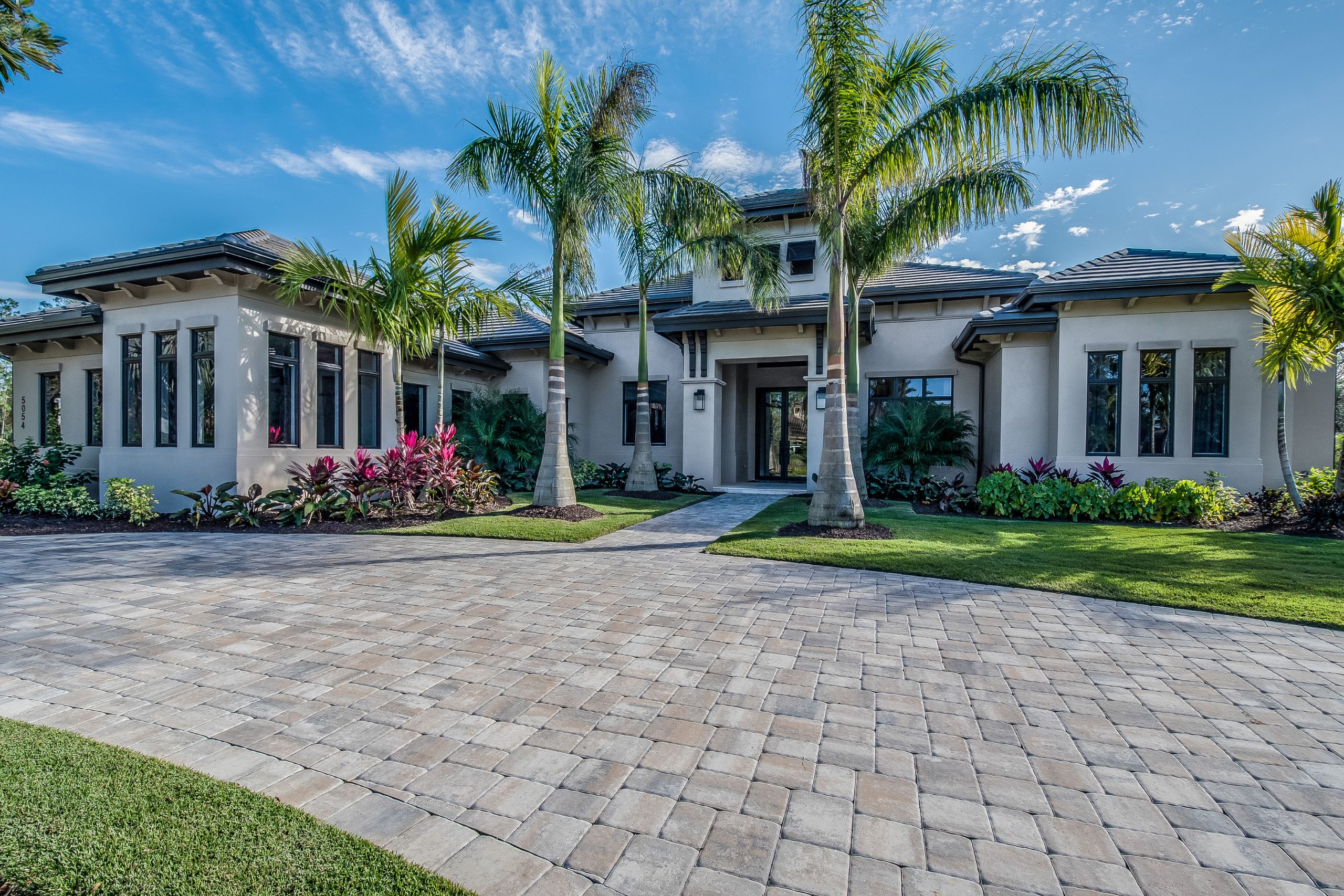
palms trees in Florida

What Do Your Tampa Trees Need?

Tree problems are not always easy to identify from the ground. A palm may lose its color because it lacks nutrition, receives too much water, or has a more serious health concern. An oak with thinning leaves may be reacting to drought, root disturbance, compacted soil, or recent construction.

Tampa weather adds to the pressure. Summer rain can leave poorly drained soil soaked, while sandy areas dry quickly once the weather clears. Heat raises the tree’s water needs, and tropical storms may damage roots or branches even when the effects are not immediately visible.

Palms require particularly careful attention. Their new growth comes from one central point at the top. Trouble near that growing point can affect the whole tree, so sudden changes in the crown should not be ignored.

My Organic Turf checks the species, leaves or fronds, trunk, crown, soil, drainage, and irrigation before suggesting care. Our tree nutrition program uses 100% organic fertilizer. We may recommend targeted trunk care when a palm has a specific disease or insect concern.

WHAT YOUR SERVICE INCLUDES?

How Our Tree and Palm Care Works

We Examine the Tree

The visit begins with a close look at the tree’s visible condition. We check its color, canopy, trunk, crown, and new growth. Falling fruit, thinning leaves, damaged fronds, and changes limited to one side of the tree can all help narrow down the concern.

We also compare older and newer growth. Where the symptoms first appeared often matters just as much as the symptoms themselves.

We Check the Area Around It

A healthy tree depends on more than what is happening above ground. Poor drainage, dry soil, compacted soil, excess mulch, construction, paving, and sprinkler changes can affect its roots.

We look at how water moves through the area and whether the root zone has been disturbed. A recently installed driveway, landscape bed, fence, or irrigation line may change conditions around a tree that previously did well.

We Decide What Care Makes Sense

The recommendation may include organic fertilization, targeted trunk care, or monitoring. Each serves a different purpose.

Fertilization supports a tree that needs better nutrition. Targeted trunk care may be appropriate for certain insect or disease concerns. Monitoring gives us time to follow an early or uncertain change before recommending treatment.

We explain what we found and why a particular service fits. If the tree needs pruning, removal, testing, or another service outside our scope, we will say so.

We Complete the Scheduled Service

Organic fertilizer is applied according to the species, size, and condition of the tree. Placement matters because tree roots spread well beyond the trunk and often extend through the surrounding lawn.

When appropriate, we apply targeted trunk care directly through the tree. This keeps the treatment focused, rather than applying it across areas that don't need it.

We Review the Aftercare

What happens after treatment can affect the result. Overwatering, adding more fertilizer, piling mulch around the trunk, or disturbing the root zone may place additional stress on the tree.

You will receive practical instructions for the completed service, including watering and any changes that deserve attention.

We Follow the Tree’s Progress

Trees do not respond overnight. New growth may improve before the existing leaves or fronds look different. In some cases, the main purpose of care is to help protect the healthy growth that remains.

Later visits allow us to compare color, canopy density, and new growth with the tree’s earlier condition. We can then address any continuing decline based on what has changed.

AFTER YOUR TREE SERVICE

What Should You Do After Treatment?

Aftercare varies according to the service. A recently fertilized tree may need watering, while a palm that received targeted trunk care will have different instructions. Follow the guidance left for your property.

Water Only as Recommended

Water may be needed after fertilization, but extra irrigation will not help every stressed tree. Soil that stays saturated can limit air to the roots and make an existing problem worse.

Recent rainfall, soil type, drainage, and the tree’s condition all affect the watering recommendation.

Protect the Root Area

Trenching, digging, paving, parked equipment, and stacks of heavy materials can damage tree roots. Keep the surrounding soil as undisturbed as possible after service.

Tell us about upcoming construction or landscape work. Even a project that does not touch the trunk may reach part of the root system.

Keep Mulch Away From the Trunk

A shallow layer of mulch can help the soil retain moisture. A mound pressed against the trunk holds moisture where it does not belong and may hide damage.

Spread mulch across the root area, but leave visible space around the base of the tree.

Avoid Heavy Pruning

Removing too many healthy fronds or branches reduces the tree’s ability to make and store energy. Pruning should be limited to appropriate dead, damaged, or hazardous growth.

A qualified tree professional should handle larger pruning jobs and storm-damaged limbs.

Check the Crown and New Growth

Pay attention to changes near the top of a palm. Weak central growth, fast-moving discoloration, premature fruit drop, or a collapsing spear leaf should be reported promptly.

Older damaged fronds may not regain their color. The condition of new growth often better indicates how the palm is responding.

How Does Ongoing Tree Care Help?

A single visit shows us what the tree looks like on that day. Ongoing care gives us a record of how its canopy, color, and new growth change through Tampa’s wet and dry seasons.

  • Nutrition Suited to the Tree

    Tampa’s sandy soil can lose water and available nutrition quickly. Organic fertilization supports the tree without pushing excessive growth that may be difficult to sustain.

    The service is based on the species and condition, not a standard application for every tree on the property.

  • Earlier Attention to Changes

    Tree decline often begins with small signs. A few pale fronds, less new growth, or unexpected fruit drop may be easy to dismiss until the change becomes more obvious.

    Regular observation makes those early differences easier to recognize and compare.

  • Focused Service Where Needed

    One declining palm does not mean every tree needs the same treatment. Some trees may need nutrition, another may need targeted trunk care, and the rest may only need to be watched.

    This keeps the service tied to what is happening on the property.

  • Better Coordination Across the Yard

    Trees share water, soil, and growing space with lawns and landscape beds. A sprinkler adjustment or construction project can affect all three.

    Our lawn and shrub care allows us to consider the surrounding landscape when a tree begins showing stress.

  • A Useful Service Record

    Changes in mature trees may happen slowly. Notes from earlier visits help us compare the timing and direction of those changes rather than relying on memory alone.

BUILT FOR TAMPA CONDITIONS

What Affects Tree and Palm Health in Tampa?

Tampa trees grow through months of heat, humidity, hard rain, and strong sun. Those conditions support rapid plant growth, but they can also expose drainage, soil, and irrigation problems.

Sandy soil drains fast and may not hold nutrition for long. A palm growing in an open, sunny part of the yard may need different support from one surrounded by turf, pavement, or established plants.

Heavy rain creates the opposite problem. Low areas and compacted soil can remain wet long after the storm passes. Roots need both moisture and air, so soil that stays saturated can stress a tree.

Construction and landscape changes also deserve attention. New paving, grading, trenches, and irrigation work may cut roots or change the way water reaches them. The canopy may not show the effect until weeks or months later.

Tampa palms may also face lethal bronzing. This serious palm disease has been documented in Hillsborough County. According to the University of Florida’s lethal bronzing guidance, warning signs can include premature fruit drop, dead flower stalks, discoloration moving upward from older fronds, and eventual collapse of the central spear leaf.

Those symptoms should be assessed promptly. However, discoloration alone does not confirm lethal bronzing. Watering problems, nutritional shortages, root damage, and other diseases can look similar at first.
When May a Tree Need Professional Care?

Arrange an assessment when you notice:

  • Palm fronds or tree leaves losing their normal color
  • New leaves or fronds emerging weak or misshapen
  • Fruit dropping earlier than expected
  • Several older fronds turning brown within a short time
  • Thinning or uneven growth around the crown
  • Spots, streaks, or unusual marks on the foliage
  • One part of the canopy declining faster than the rest
  • Mushrooms or unfamiliar growth near the base
  • Water collecting around the tree after irrigation
  • Soil pulling away from exposed roots
  • Root damage following digging or construction
  • A sudden decline after a storm
  • The same symptoms returning after earlier care

A visible change is a reason to inspect the tree, not proof of a particular disease. Checking the whole tree and its surroundings helps us decide what should happen next.

CARE BASED ON THE TREE

Organic Fertilization or Targeted Trunk Care?

These services address different concerns. We recommend one only when the tree’s condition supports it.

Organic Tree and Palm Fertilization

Organic fertilization supplies nutrition to trees that need better support. The application reflects the species, size, season, soil, and symptoms present during the assessment.

This service may be appropriate when growth is weak, or the tree shows signs of poor nutrition. Existing damaged leaves will not repair themselves, so improvement is usually judged by the quality of later growth.

Targeted Trunk Care

Some palm diseases and insect concerns call for treatment applied directly to the trunk. This approach concentrates the service within the tree rather than spreading it through the surrounding yard.

Targeted trunk care is not suitable for every declining palm. The tree’s species, symptoms, overall condition, and stage of decline all influence whether it is a reasonable option.

Monitoring Before Treatment

Early symptoms can overlap. When the cause is unclear, watching the tree may be more appropriate than treating it immediately.

We document the condition and explain what to look for. Changes in the crown, fruit, fronds, or new growth can provide the information needed for a more confident recommendation later.

SUPPORT FOR THE WHOLE YARD

Related Services for Tampa Properties

A problem elsewhere in the yard may also affect the trees. My Organic Turf provides related care when irrigation, soil, turf, or outdoor pests contribute to conditions around the root area.

Lawn and Shrub Care

Our lawn care services include organic fertilization, targeted weed control, shrub and ornamental care, lawn spraying, and routine property checks.

Sprinkler Maintenance and Repair

A tree may receive too little water from poor sprinkler coverage or too much from a leak. Our sprinkler services include system checks, head cleaning, adjustments, and suitable repairs.

Lawn Aeration

Packed soil restricts air and water movement. Our lawn aeration service opens compacted sections of suitable lawn areas and supports better movement through the soil.

Outdoor Pest Control

Pests may affect lawns, planting beds, entryways, and outdoor living areas. Our pest control services address the activity found around the property.

LOCAL CARE WITH A CLEAR PLAN

Why Choose My Organic Turf?

Our tree care starts with an assessment, not an automatic treatment. We check the species, symptoms, trunk, crown, roots, soil, drainage, irrigation, and recent changes around the property.

Tree and palm nutrition uses 100% organic fertilizer. When targeted trunk care is appropriate, the service goes directly into the tree rather than across the surrounding landscape.

We also tell you what we found in plain language. You will know what service was completed, what it is intended to address, and which changes to watch afterward. The tree’s service history gives us a useful reference if another concern appears later.

ANSWERS BEFORE SERVICE

Frequently Asked Questions

Find straightforward answers about tree and palm care in Tampa, including fertilization, trunk care, watering, symptoms, service timing, and work outside our scope.

Give Your Tampa Trees the Care Their Condition Calls For

My Organic Turf provides organic fertilization, targeted trunk care, assessments, and ongoing monitoring for palms, oaks, and other trees across Tampa. Every recommendation reflects what we find in the tree, root area, soil, irrigation, and surrounding landscape.

Tell us what has changed, whether you have noticed pale fronds, weak new growth, premature fruit drop, thinning leaves, or an overall decline. We will review your concern, explain the best options, and provide a clear plan for what comes next.