TARGETED CARE FOR DAMAGING LAWN INSECTS

Lawn Pest Control Services in Tampa, FL

Brown patches spreading across your St. Augustinegrass? Grass thinning even though the sprinklers are running?

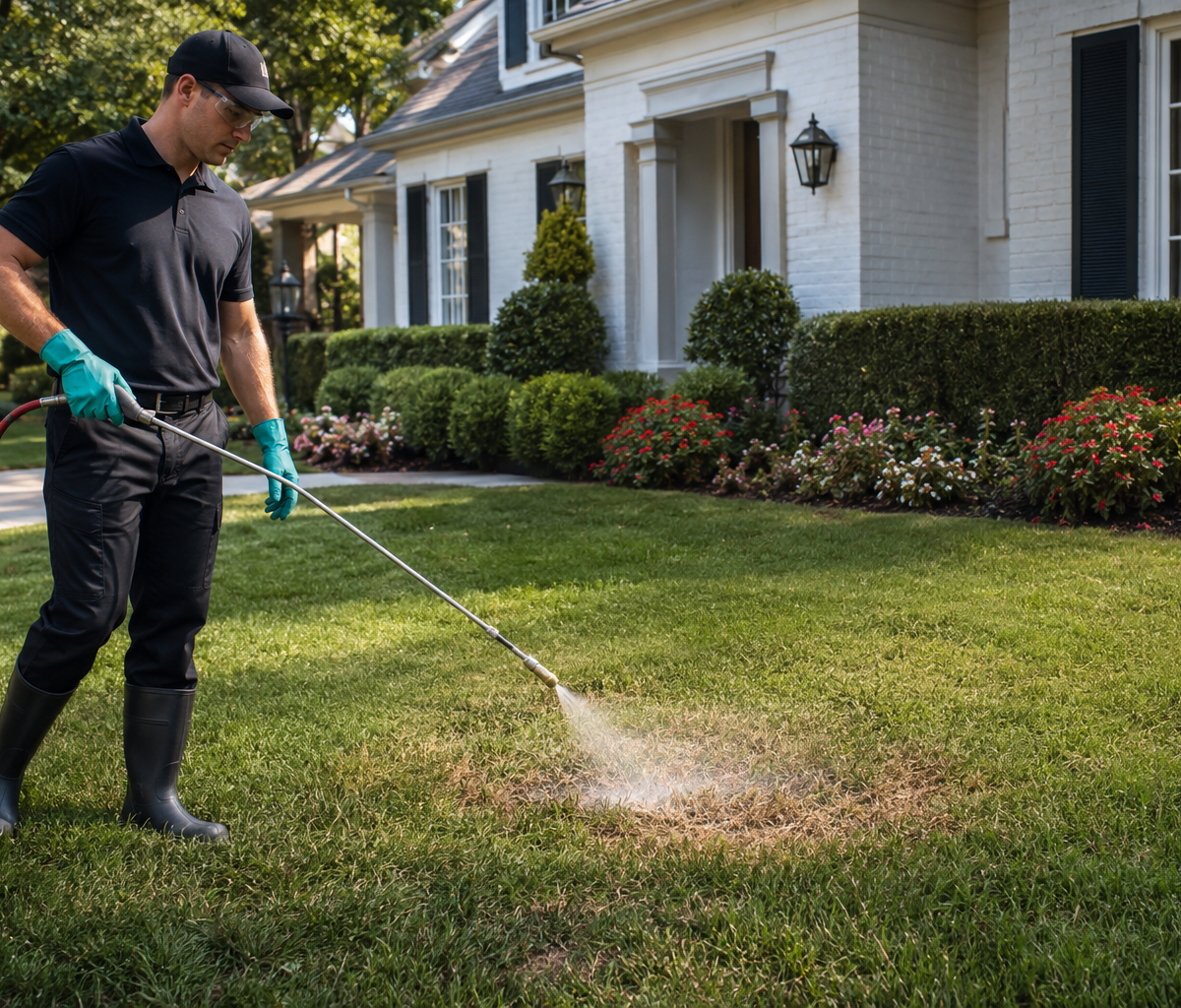
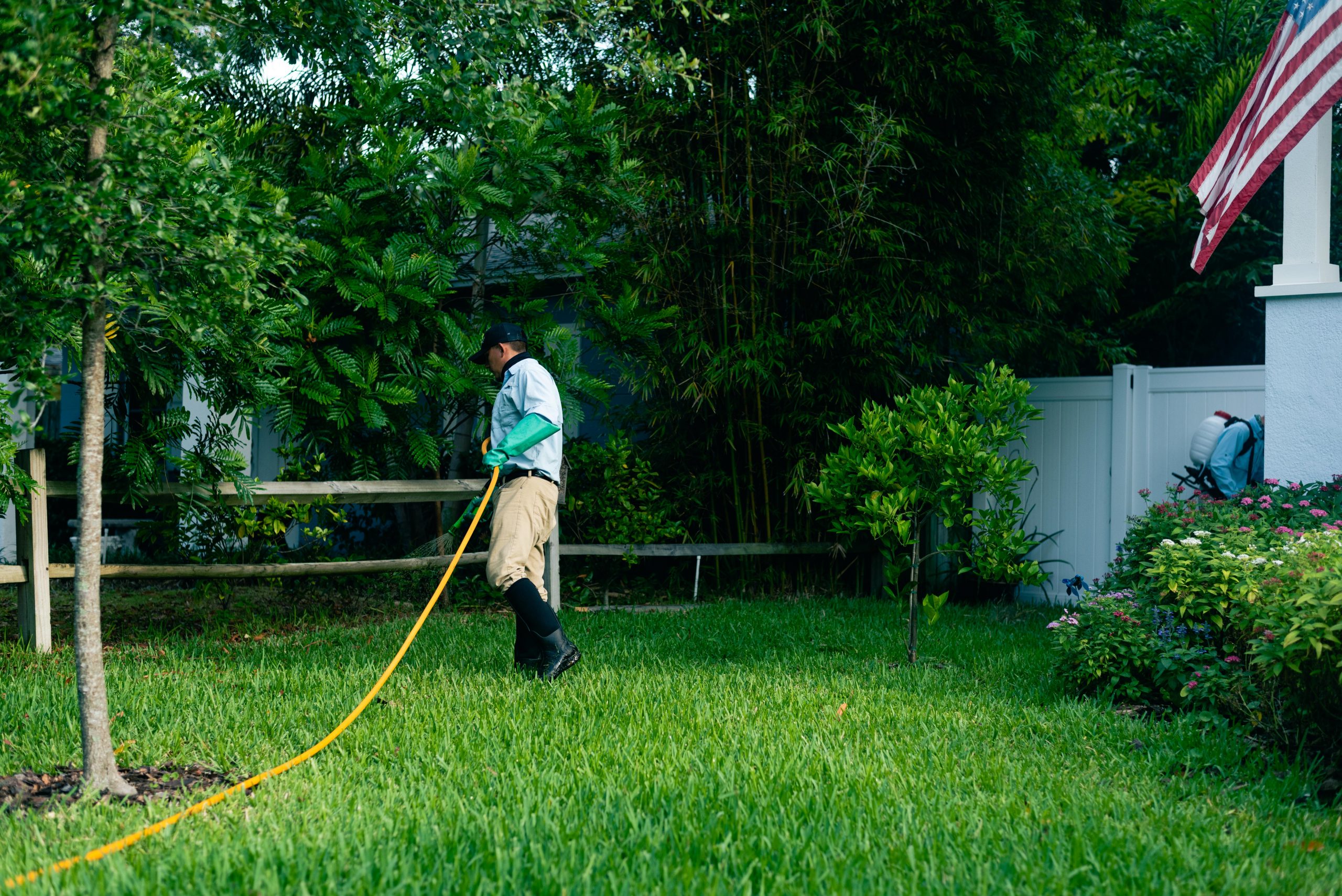
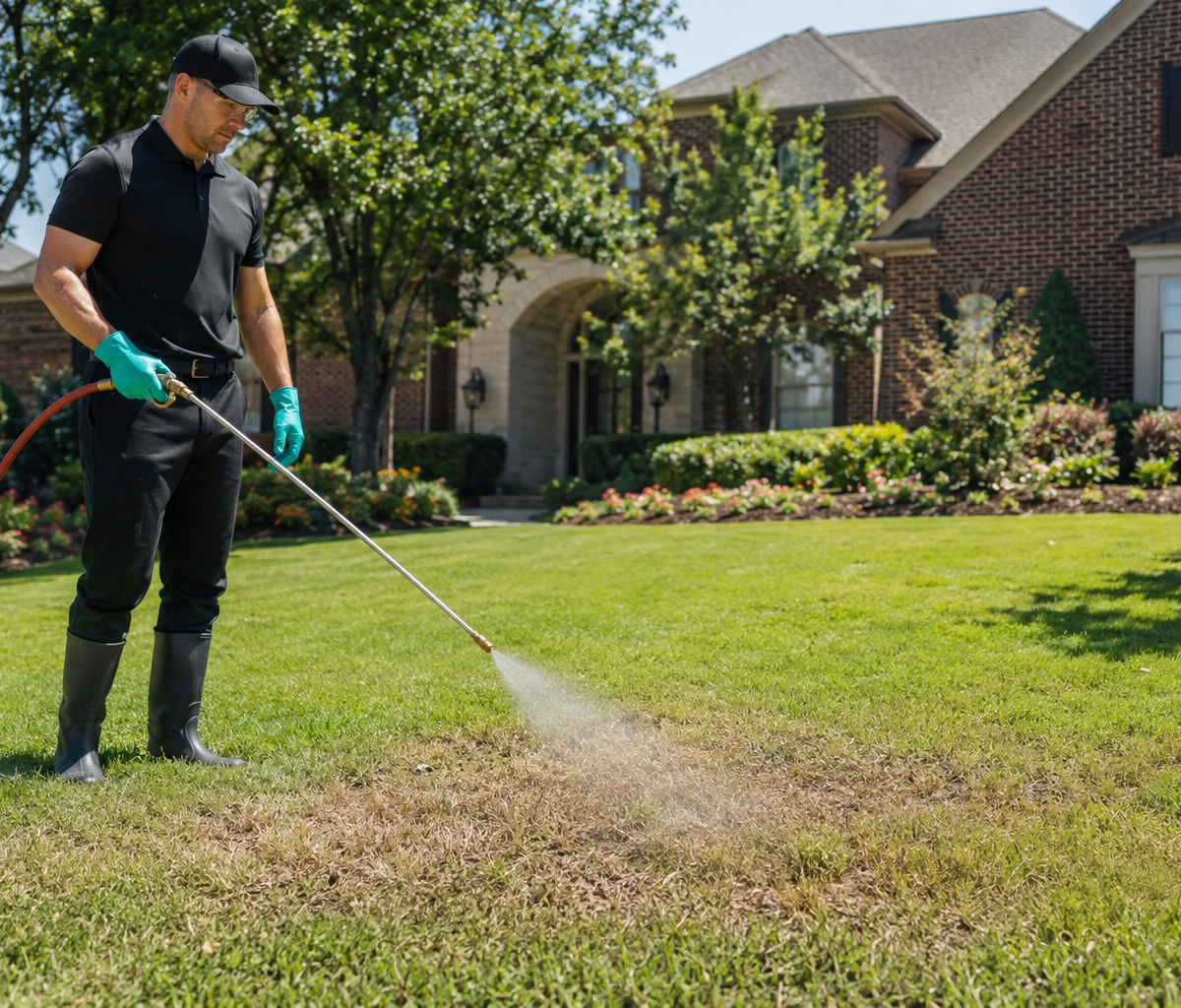
Grubs, chinch bugs, and sod webworms can cause serious damage to Tampa lawns. My Organic Turf provides lawn pest control services that identify the insects responsible, treat affected areas, and help protect the remaining grass.

Why Is Your Tampa Lawn Turning Brown or Thinning?

Tampa lawns deal with long stretches of heat, dry spring weather, and heavy summer rain. Grass growing in sandy soil can lose moisture quickly, particularly near driveways, sidewalks, and other sun-exposed areas.

These conditions can make insect damage worse. They can also produce symptoms that look like a pest problem when no damaging insects are present.

A patch of St. Augustinegrass turning yellow might have chinch bugs. Grass that lifts away easily could have root-feeding grubs. Thin areas with chewed blades may point to sod webworms.

Our Service Pros inspect the affected grass before recommending treatment. Finding the insect matters more than guessing from the color of the lawn.

THREE PESTS, THREE DIFFERENT TYPES OF DAMAGE

What Lawn Pests Do We Treat in Tampa?

Grub Control

Grubs are beetle larvae that live beneath the soil and feed on grass roots. As the roots weaken, the turf may turn yellow, wilt, or pull away from the ground with little resistance.

Root damage becomes particularly noticeable during Tampa’s hotter, drier periods, when grass needs a functioning root system to absorb moisture.

Our Service Pros lift sections of affected turf and examine the soil for active grubs. We recommend treatment when the infestation and damage justify it, then explain what the grass may need to recover.

Chinch Bug Control

Southern chinch bugs are a common problem in Tampa’s St. Augustinegrass lawns. They feed near the base of grass blades, causing yellow patches that gradually turn brown.

Damage often begins in sunny areas, particularly near sidewalks, driveways, or sections of turf already stressed by heat. The patches may continue expanding even when the lawn receives regular irrigation.

We inspect the edges of damaged grass for active chinch bugs. If an infestation is confirmed, our Service Pros treat the affected turf and check whether watering or mowing practices are adding to the stress.

Sod Webworm Control

Tropical sod webworms are caterpillars that chew grass blades. Their feeding can leave small, irregular marks that eventually develop into thin or brown patches.

They are especially active during Tampa’s warm, humid months and may affect St. Augustinegrass, bermudagrass, and zoysiagrass.

Our Service Pros look for fresh feeding damage and active caterpillars before recommending treatment. We focus on controlling the insects while helping the remaining grass recover.

A CLEAR PLAN FOR YOUR LAWN

How Does Lawn Pest Control Work?

We Inspect the Damaged Areas

We begin with the grass type, location of the patches, and how quickly the damage has spread.

We also ask about recent watering, mowing, fertilization, and sod installation. These details help us understand whether insects or another lawn problem may be involved.

We Check for Active Insects

Different pests require different inspections.

Grubs are found around the roots, chinch bugs feed near the grass base, and sod webworms damage the blades. We look for active insects and feeding evidence before choosing a treatment.

We Recommend the Right Treatment

Once the pest is identified, we consider its activity, the affected area, and the condition of the turf.

If insects are not responsible for the damage, we explain what else may need attention rather than recommending an unnecessary application.

We Treat the Affected Turf

Our Service Pros apply the selected treatment according to the pest, its feeding location, and product-label requirements.

We focus on the areas that need control. The entire lawn is not automatically treated when the problem is limited to specific sections.

We Explain What Comes Next

After treatment, we review watering, mowing, and any re-entry instructions.

We also explain what recovery may look like. Insects may be controlled before the lawn becomes noticeably greener, and dead grass will not recover.

HELP YOUR GRASS RECOVER

What Should You Do After Lawn Pest Control?

Follow the Watering Instructions

Some grub treatments need irrigation to move the product into the soil. Others have different requirements.

Do not water immediately unless instructed. Follow the guidance for the specific application, especially when afternoon storms are expected.

Keep Treated Areas Undisturbed

Avoid unnecessary activity on treated grass until the applicable re-entry period has passed.

Keep children and pets away when directed, and do not rake or wash treated areas unless our Service Pros advise otherwise.

Maintain the Right Mowing Height

Avoid cutting weakened turf too short.

St. Augustinegrass needs enough leaf area to support healthy growth. Scalping damaged grass can make recovery more difficult.

Check Irrigation Coverage

Uneven watering can make insect damage worse or create similar-looking brown patches.

Look for dry spots, standing water, and sprinkler heads that miss sections of the lawn. Our Tampa sprinkler maintenance and repair services can help address irrigation problems.

Watch for New Damage

Existing brown patches may remain after treatment.

Look for fresh yellowing, new chewing marks, or damage spreading into previously healthy turf. Let us know if the affected area continues to expand.

Brown patches in Florida lawn

What Are the Signs of Lawn Pest Damage?

  • Yellow Patches That Keep Expanding

    Chinch bugs can cause irregular yellow areas in St. Augustinegrass that gradually turn brown.

    We inspect the edges of the damage, where active insects may still be feeding.

  • Grass That Pulls Away Easily

    Grubs damage roots beneath the soil.

    Affected grass may lift away with little resistance. Checking the root zone helps determine whether grubs are responsible.

  • Chewed or Ragged Grass Blades

    Sod webworms leave feeding marks on grass blades.

    Early damage may resemble uneven mowing, while heavier feeding can create noticeable thinning.

  • Brown Grass Despite Regular Watering

    Grass that continues declining despite suitable irrigation deserves inspection.

    Insects may be responsible, but fungal disease, soil problems, and other stress factors can cause similar symptoms.

PEST ACTIVITY THROUGH TAMPA'S SEASONS

When Are Lawn Pests Most Active in Tampa?

Spring: Heat and Chinch Bug Activity

Tampa’s spring weather can be warm and relatively dry. St. Augustinegrass may develop moisture stress before summer rainfall becomes consistent.

Chinch bugs can become active in sunny, stressed areas. We check for insects rather than assuming every dry-looking patch needs pest control.

Summer: Sod Webworms and Humidity

Warm nights, frequent rain, and high humidity create favorable conditions for tropical sod webworms.

Caterpillars can feed on grass blades and cause thinning, particularly when populations increase.

Fall: Continued Insect Activity

Warm weather often continues into fall, allowing some lawn pests to remain active.

We inspect new damage and distinguish current insect feeding from grass that is still recovering from an earlier infestation.

Winter: Monitor Changes in Turf

Tampa’s winters are generally mild, but cooler weather can slow certain insects and reduce turf growth.

Seasonal discoloration does not automatically mean pests are present. We check suspicious areas before recommending treatment.

Why Do We Use Targeted Lawn Pest Control?

  • Treatment Must Match the Insect

    Grubs feed on roots, chinch bugs attack grass near the base, and sod webworms chew blades.

    Their feeding locations and life stages influence which treatment is appropriate.

  • Brown Grass Is Not Always Pest Damage

    Drought stress, fungal disease, compacted soil, and nutrient problems can produce similar symptoms.

    We inspect the lawn before recommending insect control.

  • Not Every Insect Needs Treatment

    Many insects naturally live in turf without causing significant harm. Some are beneficial.

    We recommend control when damaging insects are identified and treatment is justified.

  • Healthy Turf Needs Time to Recover

    Controlling insects protects the remaining grass, but it does not restore dead roots or blades.

    Living turf may recover through new growth. Severely damaged areas may need repair or replacement.

TAMPA CONDITIONS THAT CAN MAKE DAMAGE WORSE

What Else Affects Lawn Pest Control Results?

Sandy Soil and Root Damage

Many Tampa lawns grow in sandy soil that drains quickly.

When grubs damage the roots, grass may struggle to absorb enough moisture during hot weather. We consider root health and soil conditions when assessing the damage.

Heat and Uneven Irrigation

Sunny turf near sidewalks and driveways can dry faster than shaded grass.

Chinch bug damage may develop in these areas, but drought stress can look similar. We check irrigation coverage before recommending treatment.

Heavy Rain and Humidity

Summer storms can leave some areas saturated while others drain quickly.

Sod webworms may be active during warm, humid weather, but fungal problems can also cause thinning. Identifying the cause prevents unnecessary applications.

Grass Type and Mowing Habits

St. Augustinegrass, zoysiagrass, and bermudagrass respond differently to insect feeding and routine maintenance.

Mowing too short can stress already damaged turf. We consider the grass variety and mowing practices when discussing recovery.

For more information, see the University of Florida IFAS guide to lawn insect pests.

PEST CONTROL THAT STARTS WITH AN INSPECTION

Why Choose My Organic Turf?

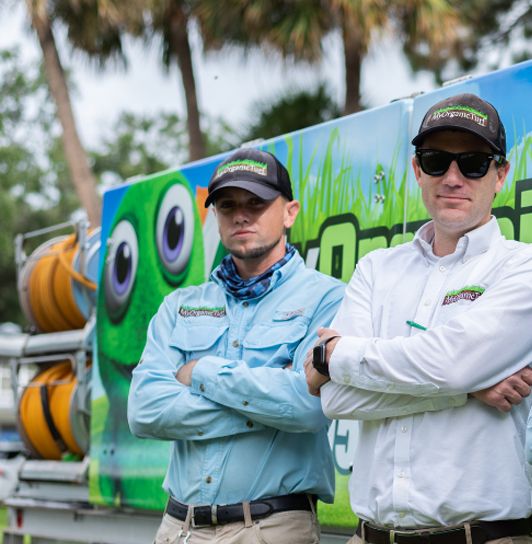
A brown patch does not tell you which insect is responsible. My Organic Turf checks the grass, roots, and surrounding conditions before recommending treatment.

Our Service Pros identify active grubs, chinch bugs, or sod webworms and explain the treatment suited to the problem. We also consider irrigation, mowing, and turf health because those conditions can influence recovery.

You receive practical aftercare instructions and guidance on what to watch for afterward.

Our Tampa lawn care services can also help address broader turf health concerns once the insect problem is under control.

TAMPA LAWN PEST CONTROL QUESTIONS

Frequently Asked Questions About Lawn Pest Control

Request Lawn Pest Control Services in Tampa, FL

Brown patches, thinning grass, and damaged blades are worth checking before more of your lawn is affected.

My Organic Turf provides lawn pest control in Tampa for grubs, chinch bugs, and sod webworms. Our Service Pros inspect the affected areas, identify active insects, and recommend targeted treatment when necessary.

Tell us where the damage is appearing and how quickly it has spread. Contact My Organic Turf to discuss lawn pest control for your Tampa property.