PROTECT YOUR OUTDOOR SPACES

Flea, Mite, and Tick Control Services in Tampa, FL

Fleas, mites, and ticks can be difficult to spot until bites, skin irritation, or repeated sightings become a concern. My Organic Turf provides flea, mite, and tick control in Tampa, with attention to the affected areas, the pest involved, and the conditions around your property.

Are Fleas, Mites, or Ticks Active Around Your Tampa Property?

These pests are often grouped together, but they do not behave the same way. Fleas commonly develop where pets or other animals spend time. Ticks wait in vegetation or sheltered areas for a passing host. Mites include many different species, only some of which bite people or animals.

Tampa’s warm weather can support pest activity for much of the year. Shaded ground, animal resting areas, dense vegetation, and wildlife movement may also influence where problems develop.

My Organic Turf reviews the reported activity before recommending treatment. Identifying the pest matters because a flea infestation in an animal resting area calls for different attention than ticks along a wooded fence line.

CHECK THE PROPERTY BEFORE APPLYING TREATMENT

How Does Flea, Mite, and Tick Control Work?

We begin by determining which pest is involved and where activity has been reported. Outdoor treatment is planned around those findings, rather than assuming every part of the lawn needs an application.

We Review the Pest Activity

We ask where the pests have been noticed, whether pets are affected, and how long the concern has been present.

Information about animal resting areas, recent wildlife activity, and repeated bites may help narrow down the source. Bites alone, however, are not enough to identify a particular pest.

We Inspect Likely Problem Areas

Our Service Pros check accessible shaded ground, lawn edges, vegetation, and outdoor areas regularly used by pets.

For fleas, attention may be given to protected animal resting spots. For ticks, vegetation along fences, paths, and landscape borders may be more relevant.

Mite concerns require closer identification because many mites found outdoors are harmless and do not need treatment.

We Identify the Pest and Its Habitat

Fleas, ticks, and mites have different life cycles. Correct identification helps determine whether an outdoor application is useful and which areas should receive attention.

Some problems may originate indoors, on an animal, or from wildlife. In those cases, lawn treatment alone may not resolve the concern.

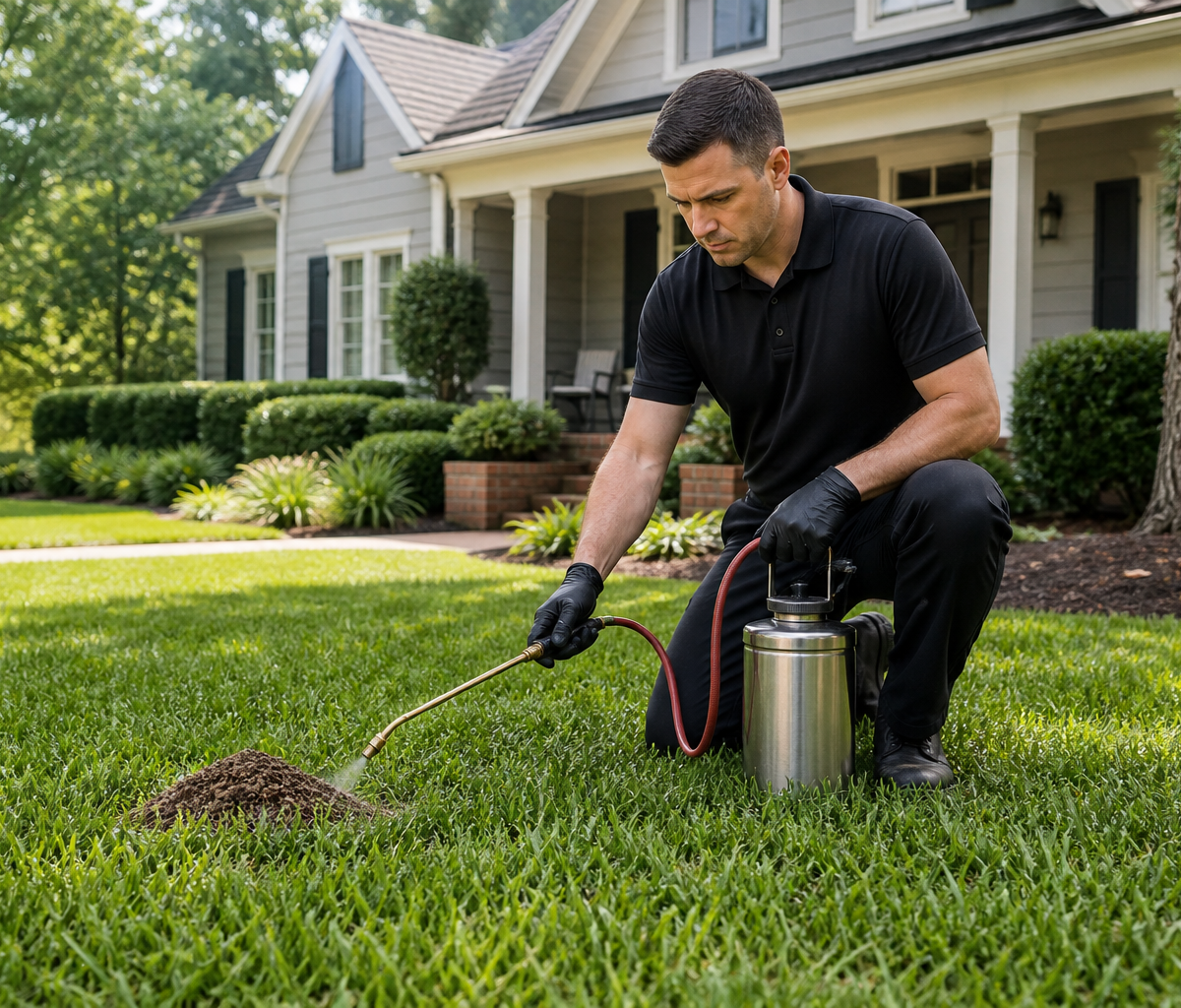
We Treat Suitable Outdoor Areas

Where treatment is appropriate, our Service Pros apply products labeled for the identified pest and location.

Applications are directed toward areas where the pest is likely to be present. We consider vegetation, drainage, outdoor features, and the product's restrictions around people, pets, and other animals.

We Review the Response

Results depend on the pest, infestation size, treatment method, and whether the original source remains.

Some pests may continue appearing as immature stages develop or animals bring new pests onto the property. We explain when continued activity warrants another inspection.

SUPPORT THE TREATMENT WITH PROPER AFTERCARE

What Should You Do After Flea, Mite, or Tick Treatment?

Aftercare depends on the pest and product used. Follow the directions provided after service, especially around access to treated areas and any maintenance restrictions.

Follow the Re-Entry Instructions

Keep children and pets away from treated areas until the label’s re-entry conditions have been met.

Do not assume a surface is ready for use simply because it appears dry. Follow the specific instructions for the application.

Continue Veterinary Flea and Tick Prevention

Outdoor treatment does not replace flea and tick prevention recommended by your veterinarian.

Pets can carry fleas or ticks from other locations. Treating the yard without addressing an infested pet may leave the original problem unresolved.

Clean Animal Resting Areas

Wash suitable pet bedding and clean accessible resting areas where fleas may be present.

If fleas have established themselves indoors, additional indoor control may be necessary. Follow veterinary guidance for products used directly on animals.

Maintain Lawn Edges and Vegetation

Keep grass and shrubs maintained around paths, fences, and places where pets spend time.

This can reduce some sheltered tick habitats and make it easier to inspect the property.

Check Pets After Outdoor Activity

Look for ticks after pets spend time in tall grass, brush, or wooded areas.

Ticks can attach in less visible places, including around ears, beneath collars, and between toes. Ask your veterinarian about safe removal and prevention.

Report Continued Pest Activity

Let us know if fleas, ticks, or suspected mites remain a concern after the expected treatment period.

The source may involve wildlife, indoor areas, or a pest that requires a different control method.

What Are the Signs of Fleas, Mites, or Ticks?

Each pest leaves different clues. Identifying the insect or mite itself is more reliable than judging the problem from bites or itching alone.

  • Fleas Around Pet Resting Areas

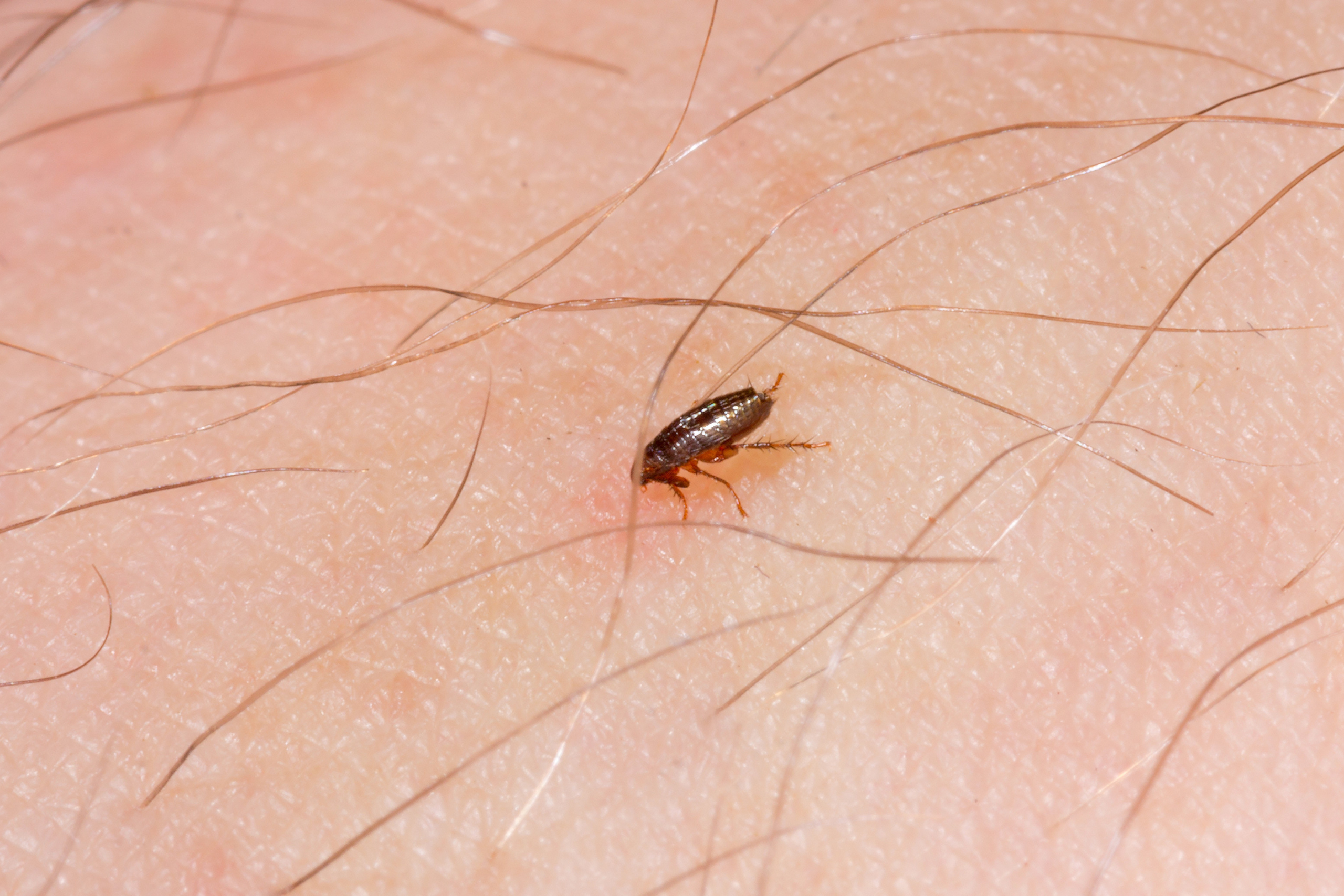
    Adult fleas may be found on pets or in places where animals regularly rest. Flea dirt, which consists of flea droppings, may also be visible in an animal’s coat.

    An infestation can involve eggs, larvae, and pupae in the surrounding environment, not just adult fleas on the pet.

  • Ticks in Grass and Vegetation

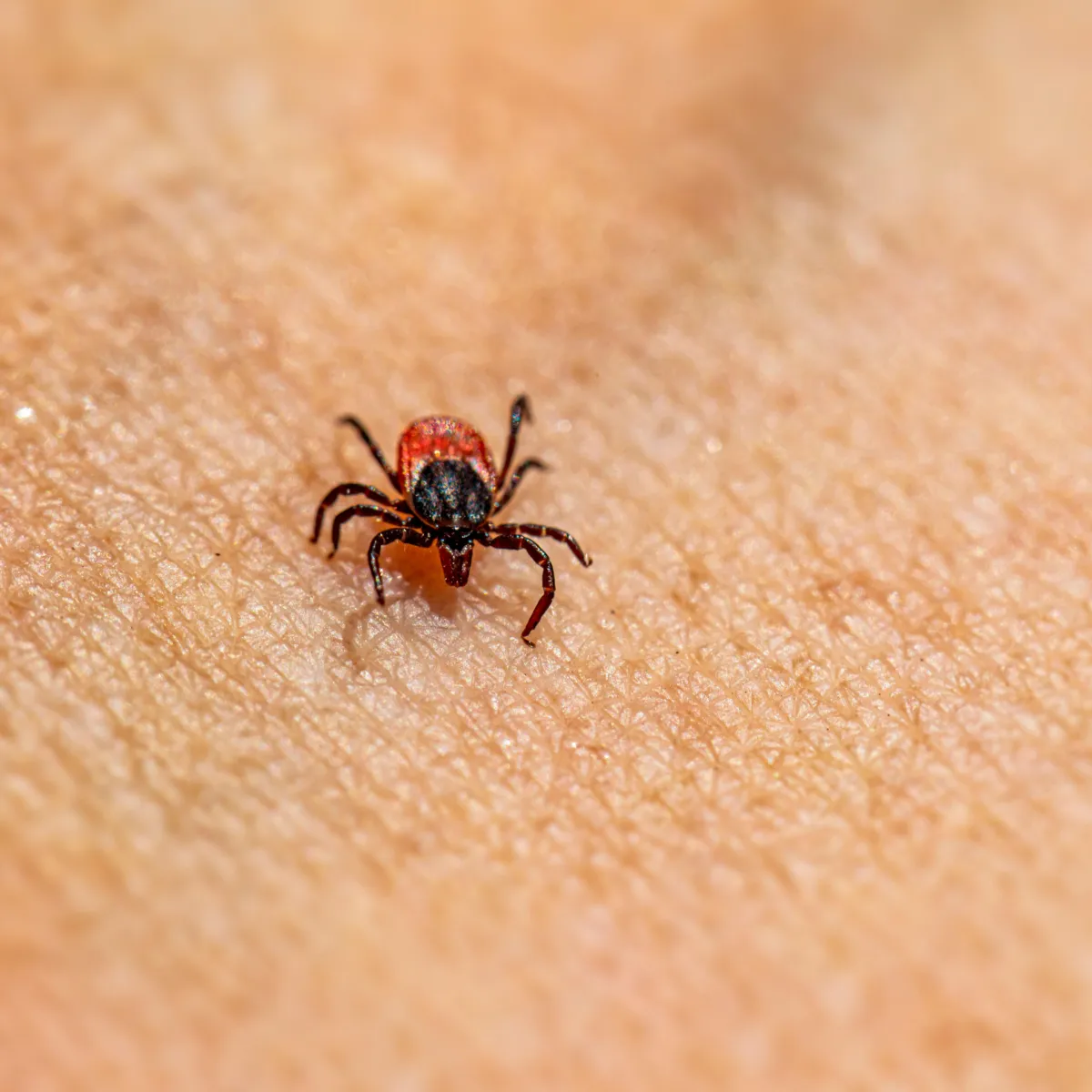
    Ticks may be found on pets, clothing, or skin after contact with vegetation. They do not jump or fly.

    Finding ticks repeatedly along a path or fence line may indicate a habitat that deserves closer inspection.

  • Unexplained Skin Irritation

    Itching or small irritated spots can have many causes, including insects, mites, allergies, and unrelated skin conditions.

    Do not assume mites are responsible without identification. Persistent symptoms should be assessed by an appropriate healthcare professional or veterinarian.

  • Repeated Activity After Cleaning

    Fleas may continue emerging after cleaning because immature stages remain in protected areas.

    Continued sightings should be reviewed in relation to the pest’s life cycle and whether pets or indoor spaces also need attention.

TAMPA'S CLIMATE CAN EXTEND PEST ACTIVITY

When Are Fleas, Mites, and Ticks Most Active in Tampa?

Tampa’s warm temperatures and humid conditions can support fleas and certain tick species through much of the year. Activity still varies with weather, host animals, and the places where pests can survive.

Fleas develop best under suitable temperature and humidity conditions. Protected areas where animals rest may remain favorable even when exposed parts of the lawn become hot or dry.

Ticks depend on suitable habitats and access to hosts. Vegetation, leaf litter, wildlife movement, and seasonal conditions influence where they are encountered. Different tick species have different activity patterns.

Mites cannot be assigned one seasonal pattern because the term covers a wide range of organisms. Some live on plants, some in soil, and others are associated with animals or nesting birds.

My Organic Turf considers the identified pest and current property conditions before recommending treatment. A calendar-based application is not a substitute for finding the source.

For more information about preventing bites and identifying ticks, visit the CDC’s tick prevention resources.

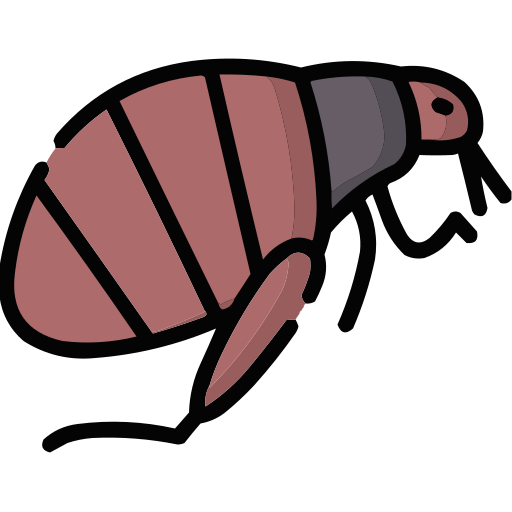
image of what a flea looks like - picture from My Organic Turf

THREE PESTS, THREE DIFFERENT PROBLEMS

Why Does Proper Identification Matter?

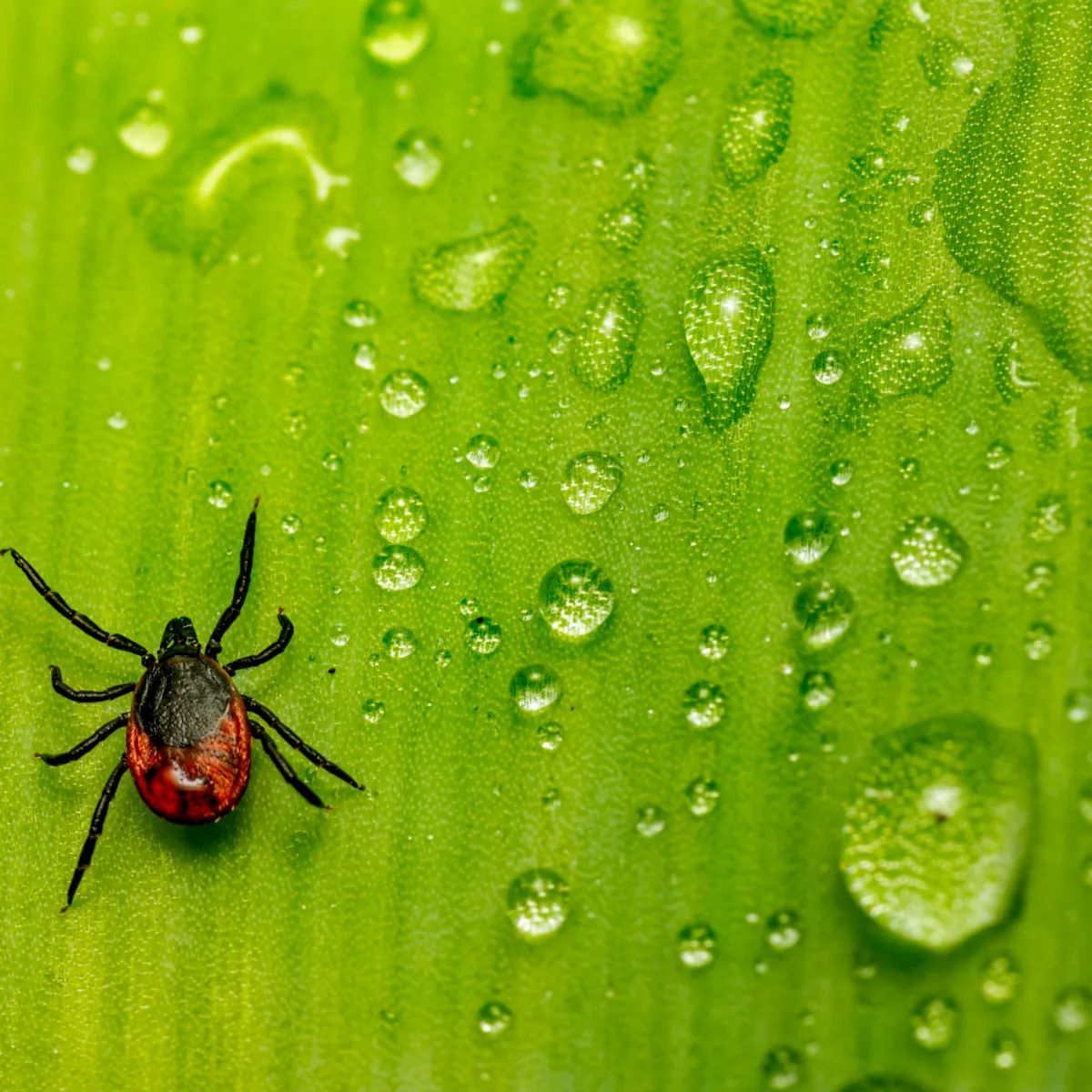
Fleas, mites, and ticks are not interchangeable pests. They differ in where they live, how they feed, and what must be addressed for control to work.

Fleas depend on animal hosts as adults, but their eggs and immature stages may develop in carpets, bedding, soil, and sheltered resting areas. A pet with fleas may require veterinary treatment alongside environmental control.

Ticks spend much of their lives away from a host. They may wait on vegetation for an animal or person to pass. Reducing tick habitat and limiting wildlife access can be useful alongside treatment.

Mites require more careful identification. Many are beneficial or harmless. Certain species may be associated with birds, rodents, plants, or other specific sources. Applying a general lawn treatment without identifying the mite may accomplish very little.

The right service depends on the pest actually present. If the evidence points to an indoor infestation, an animal health issue, or a source outside the treatment area, we explain those limitations.

PROPERTY CONDITIONS MATTER

What Else Can Affect Flea, Mite, and Tick Control?

Outdoor pest activity often relates to how the yard is used and which animals move through it. Addressing these conditions can support treatment and help reduce recurring problems.

Pets and Animal Resting Areas

Fleas may develop around places where infested animals spend time, including sheltered patios, kennels, and shaded soil.

Regular veterinary prevention and cleaning of resting areas are important. Yard treatment cannot replace care for an affected animal.

Wildlife and Stray Animals

Rodents, raccoons, stray cats, and other animals can carry fleas or ticks onto a property.

Evidence of nesting or repeated animal activity may help explain why pests continue appearing after treatment.

Tall Grass and Dense Vegetation

Ticks may use vegetation along paths, wooded borders, and other sheltered areas while waiting for hosts.

Maintaining these spaces can reduce some favorable habitat without requiring the removal of every shrub or planting bed.

Leaf Litter and Sheltered Ground

Leaf litter, debris, and protected ground near fences or outbuildings can provide suitable conditions for some pests.

Keeping frequently used areas maintained makes inspection easier and reduces places where pests may remain unnoticed.

TREAT THE PEST THAT IS ACTUALLY PRESENT

Why Choose My Organic Turf?

My Organic Turf begins with the pest concern rather than applying the same treatment to every lawn. Fleas around an animal resting area, ticks along a wooded border, and suspected mites near a structure call for different questions and different inspections.

Our Service Pros review the affected areas, explain whether outdoor treatment is suitable, and use products according to their approved applications.

We also discuss what treatment cannot address. A flea problem involving an untreated pet may continue, while some mite concerns require identification or attention to a bird or rodent source before any application makes sense.

You receive aftercare instructions suited to the treatment, along with practical recommendations for maintaining the areas where activity has been found.

TAMPA FLEA, MITE, AND TICK QUESTIONS

Frequently Asked Questions About Flea, Mite, and Tick Control

Request Flea, Mite, and Tick Control in Tampa, FL

Fleas, mites, and ticks require different approaches. My Organic Turf reviews the pest involved, where activity has been found, and whether outdoor treatment can address the source.

Our Service Pros explain the recommended application, precautions, and aftercare. When the problem also involves pets, indoor spaces, or wildlife, we identify the additional steps that may be needed.

Share your Tampa property address, the areas affected, and any pest sightings or identification you have available. Contact My Organic Turf to discuss an inspection and the appropriate next step.