ANT CONTROL FOR TAMPA HOMES
Ants around the kitchen, bathroom, patio, or foundation can be difficult to manage when the colony remains active. My Organic Turf provides ant control in Tampa, with treatment based on the species, nesting areas, and where ants are entering or moving around the property.
START WITH THE SOURCE OF ACTIVITY
The first step is to identify the ants and follow the signs of activity. Their nesting habits matter because treatment that works for one species may do little for another.
We review where ants have been seen, how often they return, and whether the activity is concentrated indoors or outside.
Kitchen counters, sinks, bathrooms, window frames, and exterior doors are common places to check. We also ask about previous treatments, since sprays or cleaning products may have changed the trails without resolving the infestation.
Our Service Pros look along accessible foundation edges, landscaping, pavement joints, and other places where ants may travel or nest.
Indoors, we check visible entry points and areas where food or moisture may be attracting them. The aim is to understand where the ants are coming from, not simply where they were last seen.
Small household ants, carpenter ants, and other species differ in their nesting habits and food preferences.
Correct identification helps determine whether bait, a targeted application, moisture correction, or another measure is appropriate. It also helps avoid treating harmless outdoor activity as though it were an indoor infestation.
Treatment is directed toward active trails, suitable nesting sites, or other identified problem areas. Depending on the species, this may involve bait or a carefully placed insecticide application.
Our Service Pros follow the product label and account for food preparation areas, landscaping, drainage, and places used by children or pets.
Some ant baits work gradually because foraging workers must carry the material back to the colony. Activity may continue for a period after treatment.
If ants remain active beyond the expected time, we check whether the original colony is still present, another nest is involved, or conditions around the property are contributing to the problem.
LET THE TREATMENT REACH THE COLONY
Aftercare depends on the products used and where they were applied. Follow the instructions provided after service, particularly around bait placements, cleaning, watering, and re-entry.
Do not move or wipe away bait unless instructed. Ants need to find and collect it for the treatment to work.
You may notice ants gathering around a bait placement before their numbers decline. This does not necessarily mean the treatment has failed.
Household insect sprays can interfere with certain bait treatments by killing or repelling foraging ants before they carry the bait back.
Check with our team before adding another product to the same area.
Wipe counters, remove crumbs, and store food in closed containers. Pet food and sticky spills can also attract foraging ants.
Follow the aftercare instructions before cleaning treated surfaces. Avoid removing products that need to remain in place.
Check beneath sinks, around plumbing, and near appliances for unwanted moisture.
Repairing a leak may remove a reason ants keep visiting the area, although it will not necessarily eliminate a colony that is already established.
Look for damaged weatherstripping, torn screens, and visible gaps around exterior openings.
Sealing suitable entry points can help reduce indoor activity once the active infestation has been addressed.
An occasional ant indoors does not always indicate a large colony. Repeated trails, activity in several rooms, or ants returning to the same spot after cleaning suggest the source needs closer attention.
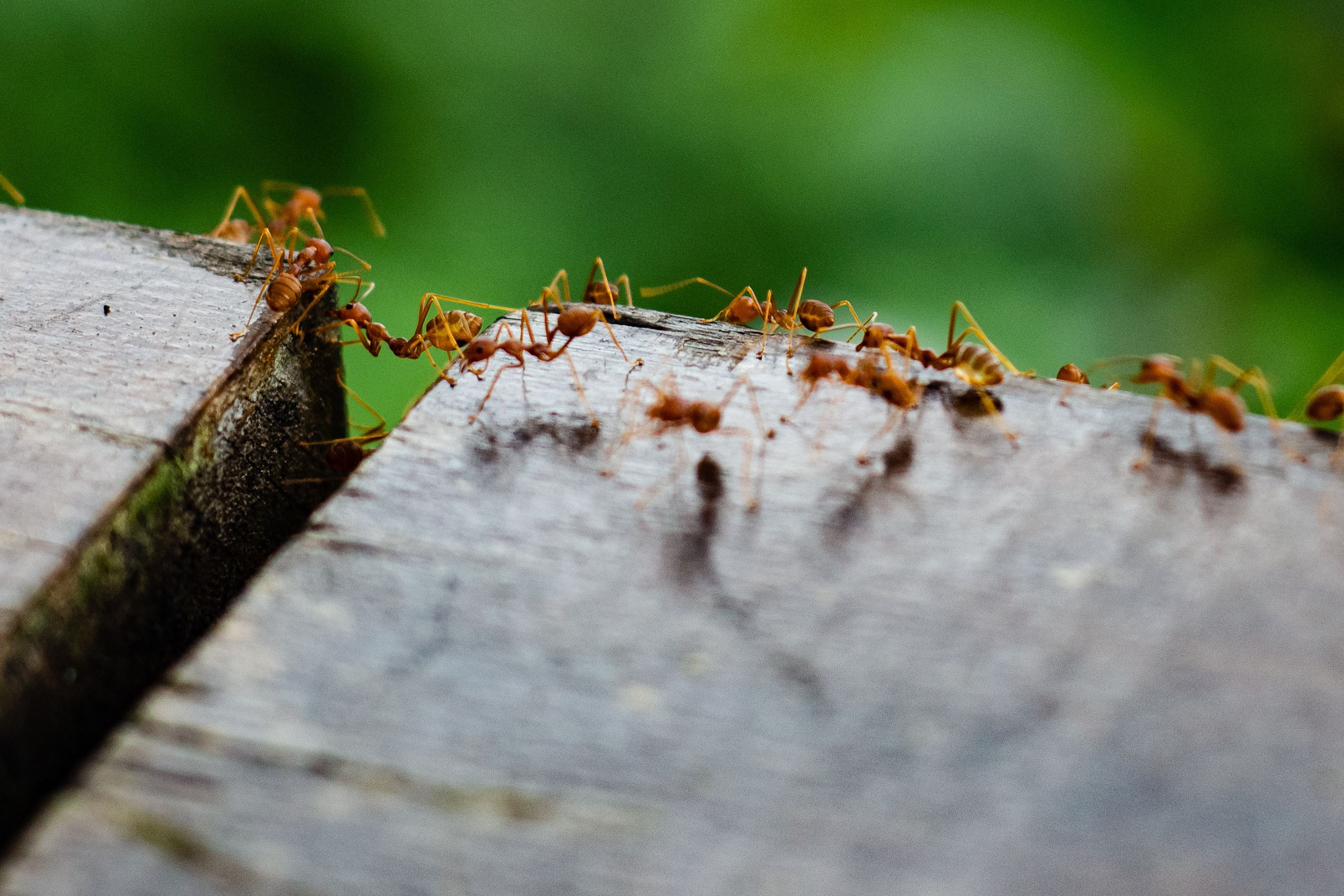
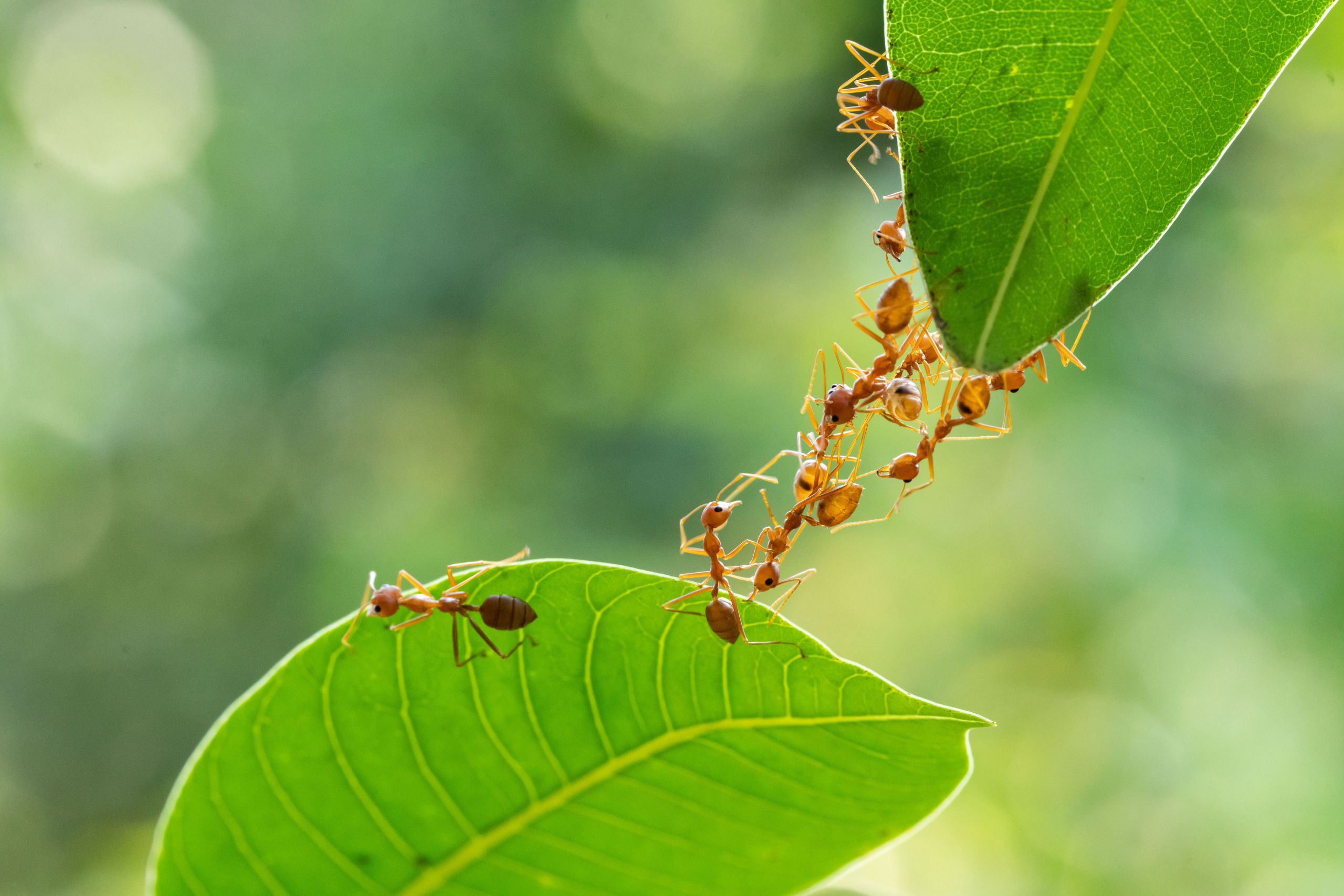
Some ants travel in noticeable lines between their nest and a food or water source. Trails may follow cabinet edges, baseboards, or gaps around plumbing.
The trail can help locate an entry point, although the nest may be some distance away.
Sugar, grease, crumbs, and pet food can attract different ant species.
Cleaning removes the immediate attraction, but ants may continue returning if the colony remains nearby or another food source is available.
Ants may enter through small gaps around frames, thresholds, and exterior trim.
Repeated activity near the same opening is worth checking, particularly when ants are also visible along the outside wall.
Activity in different parts of the house may involve one colony using several routes or more than one nesting site.
The pattern matters. Treating each visible group separately may overlook the source.
TAMPA WEATHER CHANGES ANT BEHAVIOR
Tampa’s warm climate supports ant activity through much of the year. However, the amount of activity around a home can change with rainfall, soil moisture, temperature, and available food.
Heavy rain may flood outdoor nesting areas or alter the routes ants use. During dry periods, some species may search more actively for water. Neither condition automatically means ants have established a colony inside the house.
Landscaping and irrigation can also influence where ants travel. Damp mulch beside the foundation, leaking outdoor faucets, and vegetation touching exterior walls may provide favorable conditions.
Treatment should reflect what the ants are doing at the time of inspection. A visible trail may lead to an accessible outdoor nest, while repeated activity inside cabinets or wall openings may require closer investigation.

THE SPECIES DETERMINES THE APPROACH
Not all ants respond to the same products or feed on the same materials. Some prefer sweet foods, while others may be more interested in protein or grease. These preferences can change, which is one reason a bait that attracts ants at one time may receive little attention later.
Nesting habits are equally important. Certain ants establish colonies in soil or mulch. Others use protected structural spaces. Carpenter ants may excavate galleries in wood, especially where moisture damage is present.
Some species also have multiple queens or connected nesting sites. Applying a repellent product incorrectly can sometimes scatter activity rather than resolve it.
My Organic Turf considers the species, nesting conditions, and available treatment options before recommending an application. Identifying the source reduces unnecessary treatment and helps set realistic expectations.
For more information about ant management, the University of Florida IFAS Extension provides research-based guidance on common household and landscape pests.
LOOK BEYOND THE VISIBLE ANTS
A successful treatment can address the active infestation, but conditions around the home may continue attracting new ants. These are worth reviewing alongside the treatment plan.
Food residue around counters, pantry shelves, appliances, and pet bowls can support regular foraging.
Closed containers and routine cleaning reduce the available food. They are useful preventive measures, not substitutes for treating an established colony.
Leaking outdoor faucets, poorly directed irrigation, and persistently damp soil can create favorable conditions for some ant species.
Correcting these problems may reduce activity near the building and help protect the surrounding landscaping.
Mulch, branches, and dense planting close to the house can provide shelter or routes toward openings.
Maintain suitable clearance where practical. There is no need to remove healthy landscaping simply because ants have been seen nearby.
Small openings around pipes, doors, windows, and exterior trim can allow ants to enter.
Once the active problem has been addressed, sealing appropriate gaps can help limit future access.
CARE BASED ON THE ACTUAL INFESTATION
Ant control should begin with the species and where it is nesting. My Organic Turf checks the affected rooms, accessible exterior areas, and the conditions that may be supporting the activity before recommending treatment.
Our Service Pros explain why a particular method is being used and what you should expect afterward. When bait is appropriate, for example, it may need time to reach the colony. Spraying every ant in sight can work against that process.
We also look for practical changes that may help, such as correcting a leak, reducing food residue, or closing an entry point. These measures support treatment without turning every ant sighting into a reason for another application.
TAMPA ANT CONTROL QUESTIONS
Ants returning to the same cabinets, sinks, doors, or outdoor areas often indicate that the colony has not been addressed. My Organic Turf checks the activity, identifies the likely species, and recommends treatment suited to the problem.
You receive instructions for any bait or other application, along with practical steps for cleaning, moisture control, and monitoring the affected areas.
Share your Tampa property address, where the ants are appearing, and how long the problem has been present. Contact My Organic Turf to discuss an inspection and the appropriate next step.