
Hurricane Milton has left a path of destruction, impacting our yards and requiring extensive recovery efforts.
From debris accumulation to elevated sodium levels in flooded areas, restoring your lawn presents unique challenges. However, with the right strategies, revitalization is entirely possible.
At My Organic Turf, we recognize the importance of rebuilding homes and rejuvenating the landscapes that enhance our communities.
Here’s what we did for our own homes that will help restore our lawn in the aftermath of Hurricane Milton:
Act Quickly for a Healthy Lawn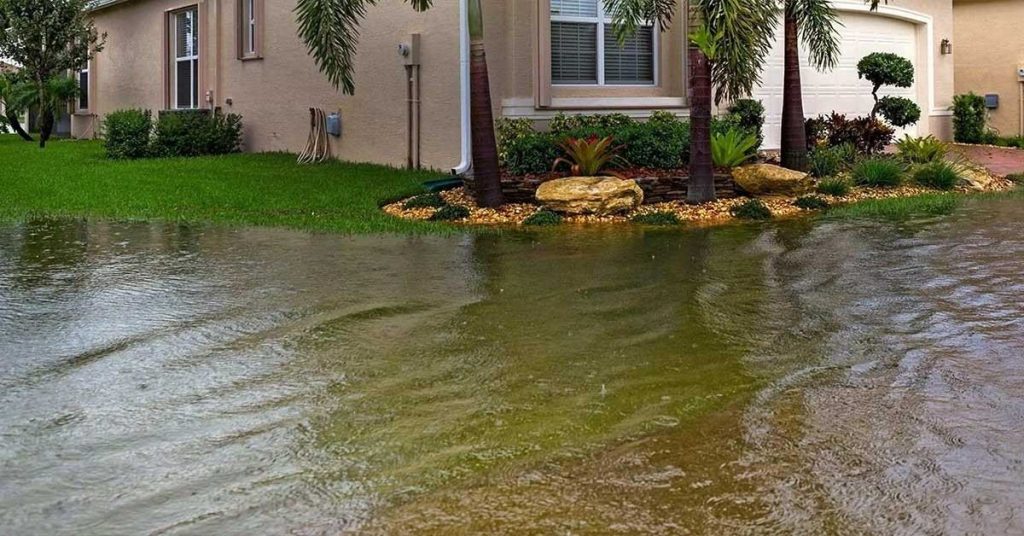
After flooding, your grass may be the least of your worries, but prompt action can save you time and money in the long run.
Saltwater has a drying effect on plants, drawing moisture from their roots.
To minimize damage, focus on removing the sodium flooding may have been introduced into your soil:
1. Remove Debris
Start by clearing any large debris that may have washed into your yard, such as tree branches and items from neighboring properties. This debris blocks sunlight and can even deposit excess salt in certain areas.
Use gloves and a wheelbarrow for larger items and follow up with a thorough raking to remove smaller debris. While raking the lawn of debris, it is vital not to destroy or disturb any new or existing stoloniferous growth of warm-season turf. We recommend a wire rake and using as little force or pressure on the turf as possible.
Remember to always wear sturdy shoes to protect against hidden hazards like metal or glass.
2. Flush Out Salt Water and Toxic Floodwater
It may seem counterintuitive, but after a flood, it’s essential to flush your lawn with fresh water.
Sodium and other toxins (like gas and motor oil) can disrupt your soil’s composition and send pH balances out of whack, which can lead to:
- Low pH (acidic soil) limits the availability of nitrogen, phosphorus, and potassium, leading to yellowing, slow growth, or thinning.
- High pH (alkaline soil) results in micronutrient deficiencies, particularly iron and manganese, causing yellow or stunted grass.
- Weed and disease growth can increase in imbalanced pH environments
You want to flush the upper soil layers ASAP. This helps wash away the salt and turf-harming toxins out of the soil web.
Even though your lawn may still be saturated, increasing its frequency and duration temporarily to aid recovery will help in the long run.
Water the lawn with an inch of irrigation each time. Approximately 2 inches of irrigation will flush 50 to 70% of the sodium and toxins from the soil.
3. Hold Off on Fertilizing and Call a Professional
Now that the blackout season and fertilizer ban are over, big box stores have plenty of high-nitrogen fertilizers on their shelves.
While it might be tempting to fertilize immediately, it’s best to wait.
Fertilizers contain salts that can worsen high sodium levels in your soil. Allow your grass to recover for a few weeks before any nitrogen is applied.
During this time it is important to get an active fungicide applied to protect against fungus or the future threat of fungus. Especially as temperatures begin to cool.
Using a soil conditioner, like a salt flush is highly recommended. A soil conditioner with soluble a calcium solution rapidly reduces sodium levels in soils and quickly helps to restore soil structure.
Not sure what this all means? Give us a call.
4. Go High
To support your grass as it rebuilds its root system, raise your mower height. Cutting your grass an inch or two taller reduces stress and allows it to recover more effectively.
Don’t forget to sharpen those blades too!
Cutting stressed grass with a dull blade can easily increase the pathogen cycle and welcome unwanted pests. Now might even be a good time to look into a reel mower! Cutting a lawn with a reel mower is much better than cutting from a rotor mower.
5. Reduce Soil Compaction
Minimizing soil compaction after a flood is crucial. Avoid walking on your lawn as much as possible.
Aeration treatments can significantly help by creating small holes that allow air and sunlight to penetrate deeper into the soil.
Restore Your Lawn with My Organic Turf
Restoring your lawn after Hurricane Milton doesn’t have to be overwhelming.
With our expertise in lawn care and pest management, we can revitalize your yard while ensuring it remains a safe haven for your loved ones.
We know how storms can disrupt the balance of ecosystems, often resulting in pest issues. After Hurricane Milton, you may notice an increase in insects and rodents. Call us today to schedule a consultation and take the first step toward a resilient, beautiful lawn.
Together, we can transform your post-hurricane yard into a thriving oasis once more. Our comprehensive lawn care programs effectively replenish lost nutrients, while our mosquito control services help manage unwanted pests.
To learn more or schedule an appointment, call us or get a quote here—let’s work together to rejuvenate your lawn and bring it back to its vibrant best.
LEARN MORE: