Top 7 Common Lawn Weeds in Florida & How To SAFELY Remove Them
 November 23, 2023
6 min read
Most grass grows in the sunshine, but have you heard of Winter weeds?
Florida winter weeds pop up around December-January and thrive February-April.
If you don't want a backyard full of weeds during the summer, you'll need to tackle these around November (and keep up with maintenance through April).
Here are the most common lawn weeds in Florida, what they look like, and how to get rid of them— organically!
RELATED: 4 Common Causes of Yellow Patches on Your Tampa Lawn
7 Common Lawn Weeds in Florida & How To Cut Them OUT
1. Crabgrass

Crabgrass in Florida typically begins to germinate and grow in the spring when soil temperatures consistently reach around 55 to 60 degrees Fahrenheit. This usually happens in late February to early March and extends through the warmer months, thriving in the warm and sunny conditions that Florida offers.
It's crucial to be proactive in implementing preventive measures during this period to control crabgrass growth before it becomes established in your lawn.
What does Florida crabgrass look like?
- Finger-like extensions.
- Thriving in warm, sunny conditions.
- Maintain a high mowing height and use corn gluten meal for prevention.
Organic Control:
- Mow your lawn high to shade the soil, hindering crabgrass growth.
- Apply corn gluten meal as a pre-emergent herbicide to create an organic shield (per Gardening Channel).
2. Dandelions

Dandelions in Florida typically start growing in the late fall and continue through the winter and early spring months.
The mild and warm climate of Florida allows for extended growth periods, with dandelions often appearing in lawns during these cooler seasons.
What do dandelions look like?
- Sunny yellow heads make them easily recognizable.
- Persistent, with a deep taproot that can be challenging to remove.
- Thrives in open, sunny areas and can withstand various soil conditions.
Organic Control:
- Use a sturdy weeding tool to remove them gently from the roots.
- Create a natural herbicide using a mix of vinegar and dish soap.
RELATED: Lawn Care for Beginners: Your Ultimate Guide to Success
3. Chickweed

This ground-hugging weed typically thrives in the cooler months of fall and winter in Florida.
It prefers temperatures ranging from 45°F to 65°F (7°C to 18°C) but can also be found in spring if conditions remain favorable.
This cool-season annual weed tends to germinate in late fall and can persist through the winter months, taking advantage of the milder climate in Florida during these periods.
What does chickweed look like?
- Low-growing with small, star-shaped white flowers.
- Opposite leaves that are oval to lance-shaped.
- Flourishes in moist, cool conditions, particularly in the fall and winter.
Organic Control:
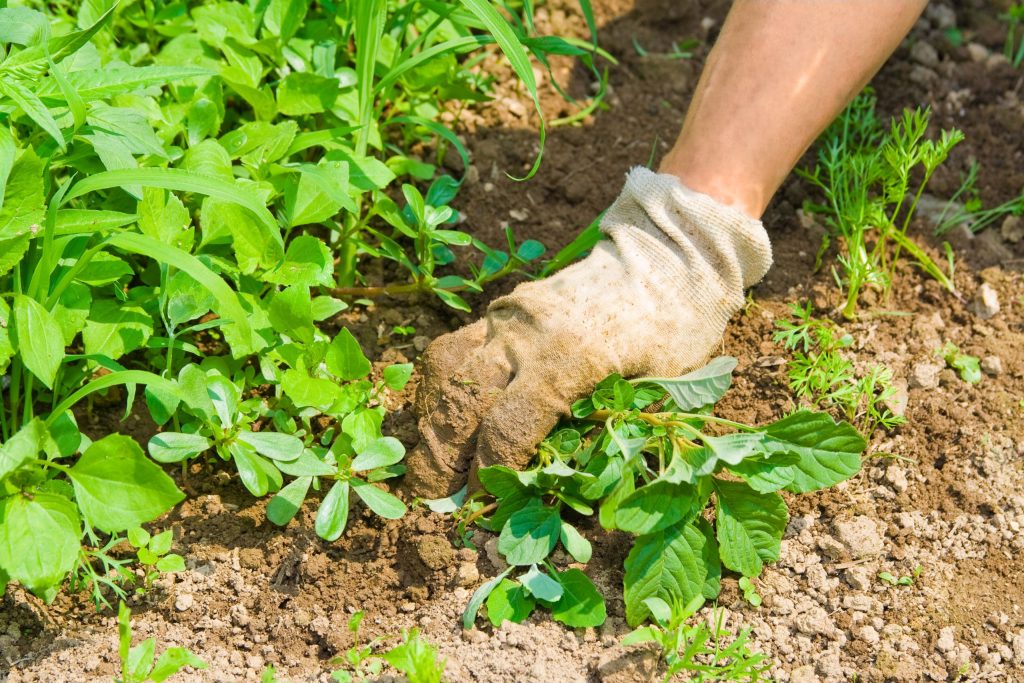
- Handpick chickweed, ensuring you remove the entire plant.
- Spread organic mulch to inhibit chickweed growth.
RELATED: 5 Toxic Fertilizers To Stay Away From
4. Quackgrass

Quackgrass is a cool-season grass that typically grows in spring and fall.
However, in Florida's warm and humid climate, quackgrass might be more active during the cooler months, primarily in late fall and early spring. It tends to slow down or go dormant in the heat of the summer.
Keep in mind that local factors, such as soil conditions and precipitation, can influence its growth pattern.
What does quackgrass look like?
- Long, flat blades with a prominent mid-vein.
- Creeping rhizomes that allow it to spread rapidly.
- Prefers moist, fertile soil and is highly adaptable.
Organic Control:
- Dig out quackgrass, ensuring the removal of rhizomes.
- Use natural mulch to suppress quackgrass growth.
RELATED: Exactly HOW Long Should I Water My Lawn in Summer?
5. Gophertail Lovegrass

This warm-season weed typically grows in Florida during the late spring, summer, and early fall months.
Keep an eye out for its growth during the warmer months, especially in sandy soils, and implement control measures if needed to manage its presence in your lawn or landscape.
What does gophertail lovegrass look like?
- Distinctive seed heads resembling a bottlebrush.
- Grass blades are coarse and can reach up to 3 feet in height.
- Thrives in sandy soils and is well-adapted to Florida's warm climate.
Organic Control:
- Frequent mowing to prevent seed head development.
- Improve soil drainage to discourage gophertail lovegrass growth.
RELATED: Organic Fertilizer vs Chemical Fertilizer: Why 1 is Better For Your Family Yard
6. Perennial ryegrass

Perennial ryegrass is a cool-season grass, and in Florida, it typically grows during the fall and winter months when temperatures are cooler.
This weed species prefers cooler climates and may become less active or go dormant in the warmer months.
What does ryegrass look like?
- Forms clumps with broad, dark green blades.
- Seed heads are dense and upright.
- Prefers fertile, well-drained soil and can become invasive if not managed.
Organic Control:
- Mow regularly and maintain a healthy lawn to outcompete clumpy rye.
- Hand-remove clumps as they appear.
RELATED: Mastering Palm Tree Care in Florida: Expert Tips for Lush and Healthy Palms
7. White Clover

White clover s a cool-season perennial, and in Florida, it tends to grow actively during the fall, winter, and early spring months.
It prefers cooler temperatures and moist conditions. In the warmer parts of Florida, you may observe white clover thriving during the milder months of the year.
What does white clover look like?
- Trifoliate leaves with distinctive white flower clusters.
- Low-growing and spreads through runners.
- Adaptable to various soil conditions, thriving in nitrogen-rich environments.
Organic Control:
- Encourage diverse grass species to compete with white clover.
- Handpick individual plants or mow regularly to suppress their growth.
RELATED: 7 Best Grass Types in Tampa, Florida Based on Your Type of Lawn
Florida Weed FAQs
How do you fix a lawn full of weeds in Florida?
You can revive your weed-ridden Florida lawn with these tips:
- Mow high to shade soil.
- Apply corn gluten meal as a natural herbicide.
- Organic mulching fosters a weed-resistant turf.
- Handpick invaders like dandelions and enhance the soil with compost.
What weeds stick to clothes in Florida?
Combat clingy weeds like burclover and beggarweed in Florida by:
- Wear protective clothing.
- Regularly check for hitchhiking seeds to prevent spread.
Is it bad to have weeds in your yard?
Having weeds in your yard isn't inherently bad, but it can impact the aesthetics and health of your lawn.
Weeds compete with plants for resources, leading to an uneven and less vibrant lawn.
Some of these weeds also bring in pests! For example:
- Dandelions: Attract aphids and caterpillars.
- Chickweed: Can harbor spider mites and aphids.
- White Clover: Attracts bees but may also host aphids.