
On average, it takes 5-30 days for grass to grow.
Some grass types will break the surface of your soil in at least five days, while others can take a maximum of 30 days to germinate.
But like all annoying answers, the true answer is this: It depends.
RELATED: When and How To Plant Grass Seed in Florida
How Long Does It Take To Grow Grass (Based on Location, Seed, and Time)
It depends on where you live, the type of grass you’re trying to grow, and the time of year.
So, if you want the short answer, yes, it takes an average of 30 days for grass to germinate. But that’s just when you’ll begin to see your little grass hairs peeping out.
How long will it take to go from pure dirt to a lush green lawn your dog can run in?
That’s going to take a longer answer. But don’t worry, we’ll show you how and when to do it.
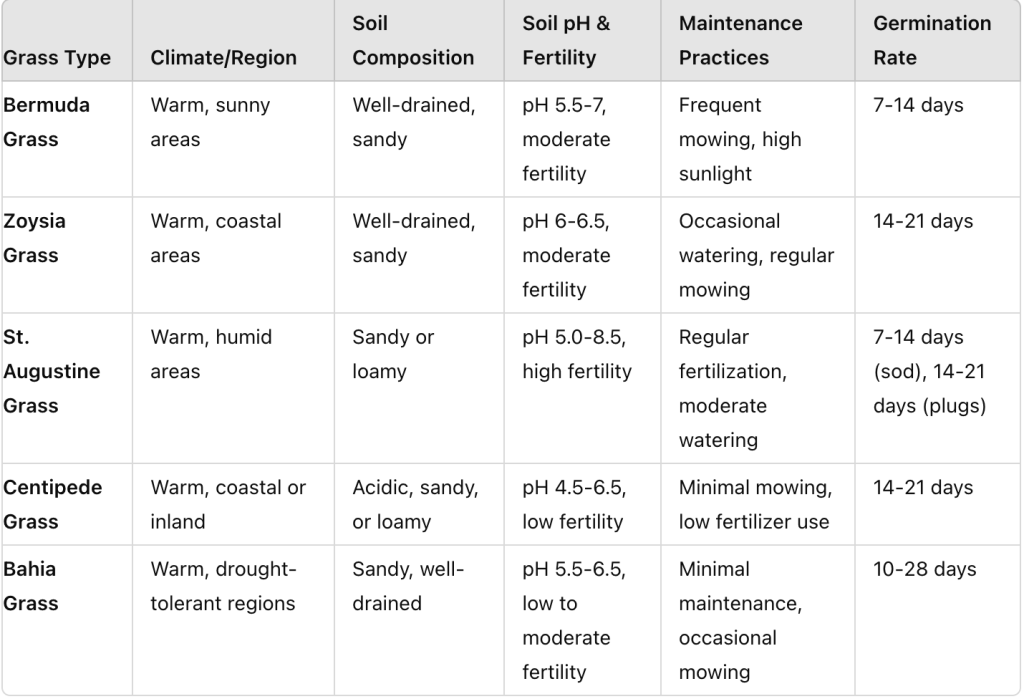
Location
Your zip code plays a big role in how fast your grass will grow.
If you’re in a warmer climate like Florida or Texas, your grass might show off in as little as two weeks.
But if you’re up north where the cold likes to linger, expect to wait closer to a month—or longer.
The key here? Patience. Your soil temperature and sunlight are the real bosses in this situation.
Seed Type
Just like there are different breeds of dogs, there are different types of grass seeds—each with its own timeline for sprouting.
- Cool-Season Grasses: Think Kentucky Bluegrass or Fescue. These guys are in no rush and might take 3-4 weeks to peek out.
- Warm-Season Grasses: Bermuda and Zoysia are your summer-loving sprinters, often germinating in 10-14 days.
So, if you’re dreaming of that specific lush lawn, choose the right seed for your region (and patience level).
Timing Is Everything
For most grass types, planting in the spring or early fall is the sweet spot. The soil is warm, but the air isn’t too hot—giving your seeds the best shot at a strong start.
- Spring: Great for warm-season grasses. Start planting after the last frost.
- Fall: Ideal for cool-season grasses. Plant in early fall to give your grass time to establish before winter.
While grass seed can germinate in as little as 5-30 days, reaching full growth takes longer. On average, it can take anywhere from 6 to 12 weeks for your lawn to fully establish, depending on the grass type, weather conditions, and how well you care for it.
How To Grow Grass Quickly
Watching grass grow doesn’t have to be like watching paint dry.
With a few smart moves, you can speed up the process and turn that patchy dirt into a lush, green lawn faster than you can say “lawn envy.”
Here’s the playbook:
Step 1: Pick the Right Seed for Fast Grass Growth
You wouldn’t plant a cactus in a swamp, right? The same logic applies to grass seed.
- Choose Fast-Germinating Varieties: If you’re in a cool-season area, Perennial Ryegrass is like the sprinter of grass seeds—quick out of the gate and ready to show off in no time. For warmer regions, Bermuda Grass is your go-to for speed and resilience. You can find these seeds at your local garden center or online at The Home Depot or Lowe’s.
- Match Seed to Climate: Don’t fight nature. Picking a seed that’s suited to your local climate means it’s more likely to germinate quickly and thrive long-term. Think of it like dressing for the weather—why wear a parka in Florida?
RELATED: 7 Best Grass Types in Tampa, Florida Based on Your Type of Lawn
Step 2: Prepare Your Soil for Rapid Grass Growth
You wouldn’t build a house without a solid foundation; the same goes for growing grass. Your soil is the bedrock of your lawn, and getting it right can make all the difference.
- Rake and Loosen Soil: Before you even think about planting, grab a rake and get to work. Breaking up clumps and loosening the soil creates a cozy bed for your seeds, helping them settle in and sprout faster. A basic garden rake or a soil tiller will do the trick—no need to overcomplicate it.
- Test and Amend Soil: Not all soil is created equal. Get yourself a soil test kit (available at garden centers or Amazon) to check pH and nutrient levels.
If your soil’s not up to snuff, mix in some compost or a balanced fertilizer to give your grass the VIP treatment it deserves.
RELATED: The Best Lawn Fertilizer for Spring
Step 3: Grow Grass Fast with the Right Watering Schedule
Watering seems straightforward, but there’s an art to it.
Too much, and your seeds could drown. Too little, and they might shrivel up like a forgotten houseplant.
- Keep Soil Moist: Light, frequent watering keeps the soil moist and the seeds happy, helping them sprout faster.
- Avoid Waterlogging: Waterlogged soil is like soggy cereal—nobody wants it. Make sure your lawn drains properly to prevent standing water, which can rot your seeds. If you notice puddles forming, adjust your watering schedule or improve the soil’s drainage with aeration.
RELATED: Exactly HOW Long Should I Water My Lawn in Summer?
Step 4: Use Mulch Wisely to Speed Up Grass Growth
Mulch isn’t just for flower beds—it’s like a protective blanket for your grass seeds. Used correctly, it can make a world of difference.
- Apply a Thin Layer: A light dusting of mulch, like straw or shredded leaves, helps keep the soil moist, protects seeds from wind and birds, and keeps the temperature just right. It’s like tucking your seeds in for a good night’s sleep.
- Don’t Overdo It: But remember, more isn’t always better. A thick layer of mulch can smother your seeds, blocking the sunlight they need to germinate. Aim for just enough to cover the soil lightly—think of it as seasoning, not burying.
RELATED: Here’s how we turn grass clippings into compost
Step 5: Monitor Soil Temperature to Help Grass Grow Quickly
Temperature plays a major role in how fast your grass seeds germinate. It’s all about creating the perfect environment.
-
- Check Soil Temperature Regularly: Grass seeds are picky about their comfort zone. Cool-season grasses are happy between 50-65°F (10-18°C), while warm-season grasses prefer 65-75°F (18-24°C). A soil thermometer (you can find one at most garden stores) will help ensure your seeds are sitting pretty.
- Make Adjustments as Needed: If your soil temperature isn’t hitting the sweet spot, don’t panic. You can wait for better conditions or use light mulching to help regulate the temperature. Think of it like adjusting the thermostat—get it just right, and your seeds will thrive.
Step 6: Avoid Common Mistakes That Slow Grass Growth
Even the best-laid plans can go awry if you’re not careful.
Here’s how to avoid the most common pitfalls.
- Limit Foot Traffic: Keep off the grass (literally) to protect your seeds and give them the best chance to grow.
- Don’t Over-Fertilize: Too much of a good thing can be harmful, and that’s definitely true with fertilizer. Over-fertilizing can burn your seeds, leaving you with a patchy mess instead of a lush lawn. Stick to the recommended application rates or try an organic fertilizer.
RELATED: 5 Toxic Fertilizers To Stay Away From
Step 8: Monitor and Adjust for Quick Grass Growth
Growing grass isn’t a “set it and forget it” kind of deal. You’ll need to keep an eye on things and make adjustments as needed.
- Regularly Check for Growth: If growth seems slow or uneven, it might be time to tweak your watering, check soil conditions, or reseed.
- Address Issues Promptly: Spot a problem? Don’t wait—address it quickly. Or you know…call us.
The Best Time To Plant Grass Seed in Florida
Timing is everything, especially when planting grass seed in Florida. To get your lawn lush and thriving, you must know the perfect time to grow based on your grass type and the Florida climate. Here’s your go-to guide for when to seed your way to a picture-perfect lawn!
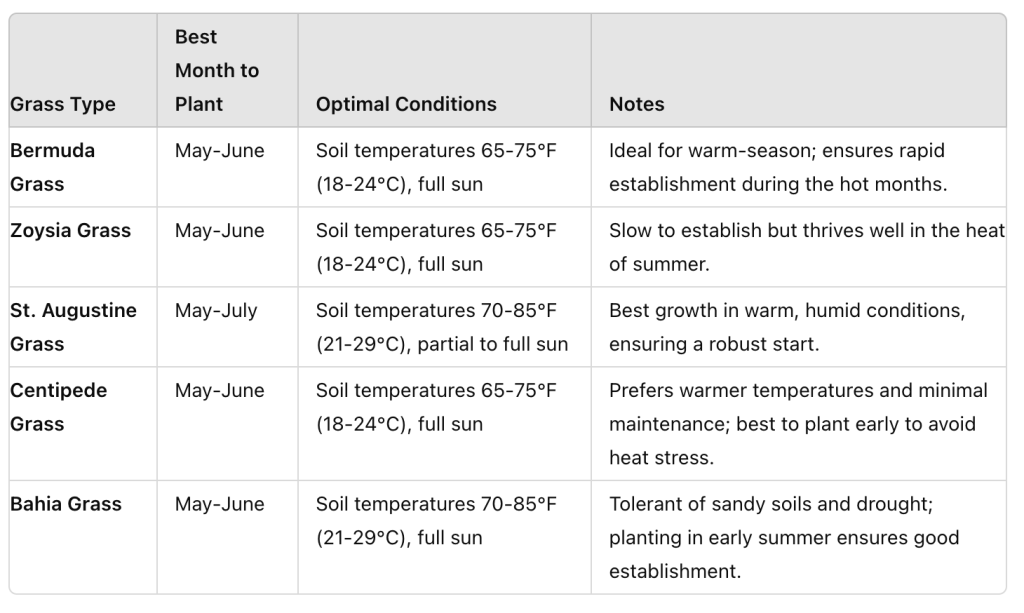
- Timing: In Florida, late spring to early summer is typically the best time to plant grass seed for most types due to optimal soil temperatures and favorable growing conditions.
- Temperature: Grass seeds generally thrive when soil temperatures are warm enough to support germination and establishment.
- Conditions: Full sun is ideal for most grass types, but some, like St. Augustine, can tolerate partial sun.
Choosing the right month to plant grass seed can make all the difference in how quickly and effectively your lawn establishes itself. Here’s a guide to the best month for planting grass seed, tailored to different grass types, to set your lawn up for success.