
If you’ve found small ants in your house, you know the frustration. You clean, you wipe down counters, and you might even put down bait traps. But somehow these tiny pests keep coming.
It’s like they have a never-ending mission to drive you insane—and honestly, they’re winning.
Small ants aren’t just coming inside because you left crumbs on the counter. Ants are constantly on the hunt for food, water, and shelter. And in Tampa, Florida, several types of small ants love to make their way into homes, including:
- Ghost ants: With pale bodies and dark heads, these ants are tiny and fast. They’re attracted to sweets and moisture.
- Argentine ants: These small brown guys like to form massive colonies and are notoriously hard to get rid of.
- Pharaoh ants: These little yellow-red fellows are known to carry bacteria. They’re dangerous if they get into your food.
- Sugar ants: These little guys are drawn to sugary spills and leftover food crumbs.
The worst part? Once they find a way in, they leave a scent trail for their friends, making it nearly impossible to stop them with ant baits (yes, even if you’ve laid down enough to cover every corner of your kitchen).
It’s time to get serious about stopping them because a little ant problem can turn into a full-blown invasion before you know it.
How Are Small Ants Getting Into My House?

So, how are they even getting in? Turns out, your house has more entry points than you’d think. Small ants can slip through tiny cracks in the foundation, holes around plumbing, and even spaces around windows and doors.
Once inside, they’re after two things—food and water. In humid areas like Tampa, kitchens and bathrooms are paradise for ants because they offer both. No matter how much you clean, it seems like they keep finding their way back, right?
That’s because ants are masters at finding moisture. And once they settle in, they can contaminate your food sources. Ever reach for a snack only to find ants crawling inside your pantry? Yep, they’ve found their way to the food, and it’s not just gross—it’s a health risk, especially if you have kids or pets in the house.
The Dangers of Small Ants in Your Home

You might be thinking, "They’re just tiny ants; how much harm can they really do?"
Well, small ants can cause big problems, especially if they’re left to do their thing.
- Devalue Your Home: If you’re thinking about selling your house, think again. Ant infestations aren’t just annoying—they can drop your property value. No buyer wants to deal with pest problems, and an ant invasion could point to deeper issues like electrical damage.
- Harm to Pets and Kids: Small ants can contaminate your food, but they can also bite. Pharaoh ants, in particular, carry bacteria that could make your kids or pets sick. Do you want your dog licking up water with ants swimming in it? Probably not. Plus, ant bites can trigger allergic reactions in some people.
- Expensive Damage: While small ants themselves might not chew through wood like carpenter ants, they can still pave the way for other pests to enter your home. More pests = more damage. That small issue can spiral into a huge repair bill if you’re not careful.
RELATED: Tampa New Construction Pest Control: Get It Before Moving In
How to Get Rid of Small Ants in Your House
Now that we’ve scared you a little, let’s talk solutions. You don’t have to live with ants crawling across your kitchen counters. Here’s how to evict them—and keep them out for good.

1. Seal Entry Points
The first step to getting rid of small ants is blocking their entry points. Grab a tube of caulk and seal up any cracks around windows, doors, and the foundation. Don’t forget areas around plumbing, like where the pipes meet the wall—ants love sneaking in through those tiny gaps.
2. Fix Moisture Problems
Ants are drawn to water, so fix any leaks in your home. This means checking under sinks, around dishwashers, and even your roof for signs of water damage. If there’s moisture, there will be ants.
3. Use Bait Traps
While bait traps won't give you a long-term solution, they can help in the short term by killing off the worker ants.
Make sure to place the bait near the ant trails but out of reach of kids and pets. Look for borax-based baits like Terro—they’re highly effective at wiping out entire colonies. If you're into organic solutions, here's how you can make it yourself!
4. Keep Your Home Clean
Yes, it seems obvious, but one of the best ways to avoid an ant problem is by keeping your home as clean as possible.
Wipe down counters regularly, clean up spills immediately, and store food in sealed containers. The less food and water ants can find, the less likely they’ll be to stick around.
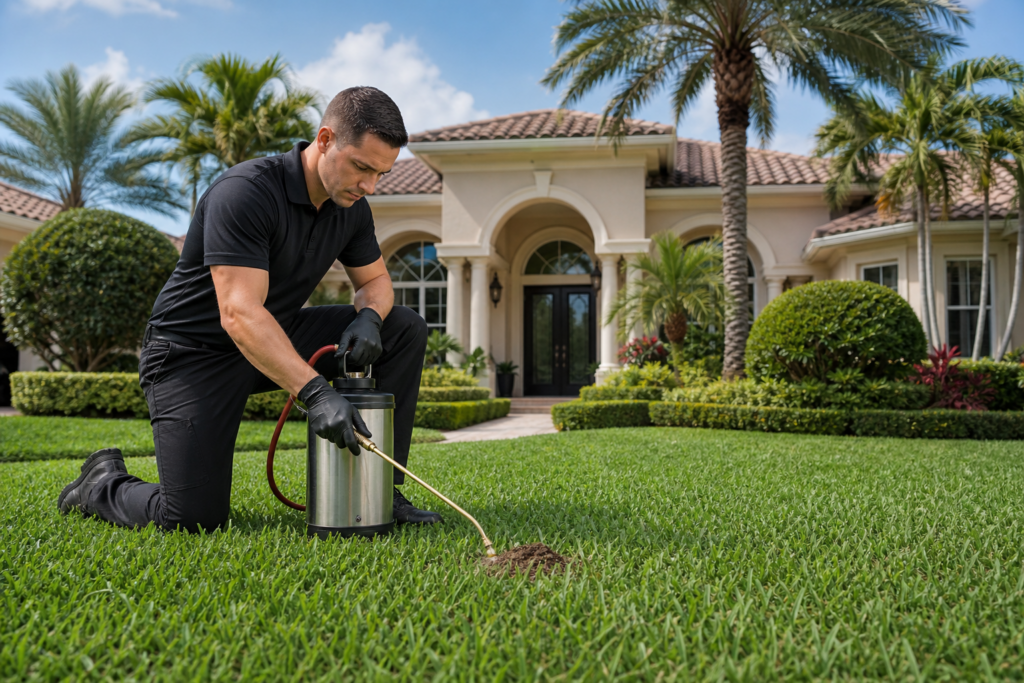
5. Organic Lawn Care and Pest Control Services
The outdoors can often be the root cause of indoor ant problems. Ants don't like all that Florida rain, either.
That’s why we offer organic pest control and lawn care services at My Organic Turf.
Our eco-friendly treatments target ant colonies at the source without exposing your family or pets to harmful chemicals.
Ready to get rid of those ants for good? Give us a call or get a quote! Nick will get rid of those pesky small ants for you (okay, he'll probably send an employee— but they're awesome!).
But now you're probably wondering... why do my ant problems get worse after it rains?