
You’ve probably heard of a plant root zone from the cashier at Home Depot the last time you bought a plant.
“Make sure you water the root zone!” They advise.
Or maybe it’s something you keep seeing over and over again in that new gardening Facebook Group you joined.
You know you need to water the root zone but… what is it?
What Is a Root Zone?

A root zone for plants is like a highway for cars.
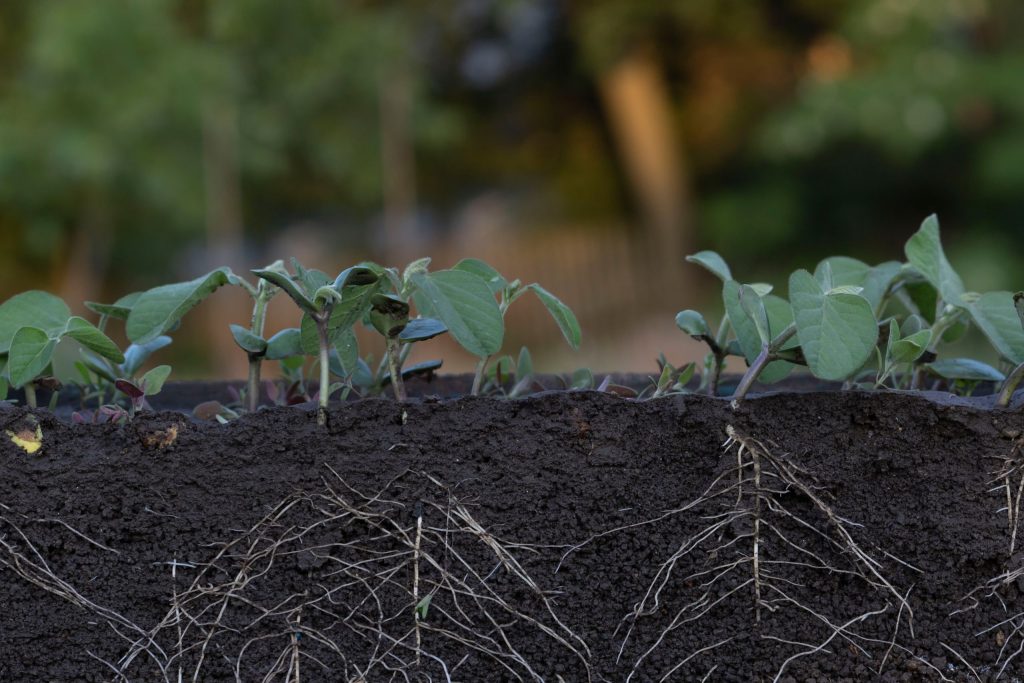
Underneath every lawn, plant, and tree is a highway system of roots.
These roots anchor your plant into the earth, giving it access to things it needs to grow, such as water, nutrients, and oxygen.
Critical Components of a Healthy Root Zone
A healthy root zone is like a well-oiled machine.
Think of it like this:
- Root zone = highway system
- Exit 1: Water
- Exit 2: Nutrients
- All other Exists: Oxygen
When the highway gets backed up (from compacted soil, lack of nutrients, etc), it stops your plant from growing.
This is why all plant enthusiasts will talk to you about having a healthy plant root zone.
Here are the top 6 components of a root zone and what you can do to make sure it’s healthy:
1. Soil Structure
Your soil is like a sponge. It needs to be soft and airy so roots can spread quickly. Compacted or heavy soil is like trying to walk through quicksand—roots can’t get where they need to go.
Your soil also needs good drainage. If your soil holds too much water, it’s like letting your roots sit in a soggy puddle.
The Fix: Loosen up your soil by using an aerator to make it root-friendly.
2. Moisture Levels
Your plant’s roots need a steady water supply, but they don’t always like their feet wet.
The trick is to keep the soil consistently moist but not soggy.
The Fix: Deep, infrequent watering is usually the way to go, encouraging roots to reach deeper into the soil for moisture.
3. Nutrient Supply
Just like your kids, your plants need vitamins and minerals to stay healthy.
The root zone should have a good mix of nutrients like nitrogen, phosphorus, and potassium.
The Fix: Organic fertilizers are great for keeping these nutrients available.
RELATED: 17 of the BEST Organic Fertilizers High in Nitrogen
4. Oxygen Supply
Healthy soil has enough air pockets to allow for proper gas exchange.
The Fix: Avoid compacting the soil or overwatering, as this can limit the oxygen available to roots.
5. Microbial Activity
Microbes are tiny organisms like bacteria and fungi. These break down things in your yard, like dead leaves, plant residues, and compost.
This process releases essential nutrients into the soil, which plants need to grow.
The Fix: You can increase microbial activity by aerating your soil or by introducing earthworms into the mix!
6. pH Levels
Soil pH is like the Goldilocks of soil conditions—too acidic or too alkaline, and your plant won’t be able to access its nutrients. Most plants prefer a slightly acidic to neutral pH (around 6.0 to 7.0).
The Fix: Regularly check your soil’s pH and adjust with lime or sulfur as needed.
Why Your Root Zone Matters

A healthy plant root zone is crucial for grass, tree, and plant health. Plus, it means that you’ll have:
- A Thriving Yard: Deep and extensive roots provide a solid anchor, helping plants stay upright and stable.
- Less Yard Work: A healthy root zone means your yard is organically getting all the nutrients it needs to grow. Which means less mowing, watering, fertilizing, and overall yard work for you!
- Kid-Friendly Play: Plants with healthy root zones are more resilient to environmental stresses like drought— or your kids running all over them.
RELATED: Top 7 Florida Lawn Care Tips for Homeowners
Here’s a Root Zone Treatment Guide For Thriving Plants

If your root zone isn’t living its best life, here’s how to give it a boost:
1. Aerate the Soil
Use aeration tools or techniques to loosen compacted soil. This helps roots access more air and water.
2. Add Organic Matter
Incorporate compost or other organic materials into the soil to improve its structure and fertility.
3. Water Wisely
Water your yard deeply but less frequently to encourage roots to grow deeper and access moisture in lower soil layers.
RELATED: Is Your Lawn Thirsty? Here’s the Best Time To Water Your Lawn in Florida
4. Check and Adjust pH
Keep an eye on your soil’s pH and adjust with lime or sulfur as needed to maintain optimal conditions.
5. Manage Pests and Diseases
Address any pests or diseases that affect the root zone with appropriate treatments, keeping the area around the roots healthy.
NEXT: 5 Ways We Kill Bugs on Trees without Chemicals