
Is a sprinkler system worth it?
You're considering one because you want the greenest lawn in the neighborhood, but you don't want your water bill to go insane.
Let's talk about it.
RELATED: 5 Tricky Lawn Diseases in Florida
Is a Sprinkler System Worth It?

If you have busy schedules or large lawns, a sprinkler system is absolutely worth it.
Between dropping your kids off at school, cleaning the house, and—you know— working, you don't have time to water your lawn.
This is when a sprinkler system becomes your ultimate time-saver.
Without a system, you'd be stuck manually dragging hoses, which is time-consuming and inconsistent.
Imagine the daily (yes, daily) grind of lugging hoses around your yard, struggling to ensure every inch of grass gets enough water.
That's life without a sprinkler system—tedious, time-consuming, and often leading to patchy, uneven watering.
But I have St. Augustine Grass!
Yes— certain grass varieties, like St. Augustine and Bahia grass, are native to Florida and have adapted to thrive in the state's climate.
During the rainy season, typically from May to October, these grasses can flourish solely on rainfall.
However, in drier months or during periods of drought, supplemental irrigation from a sprinkler system becomes essential. It will keep your grass from dying and prevent it from getting those ugly yellow patches.
The Average Cost of a Sprinkler System is...
A sprinkler system will run you about .60 square foot.
But like all things related to pricing, it depends on:
- Where you live
- How large your lawn is
- Water pressure (bad pressure = less reach = more sprinkler heads needed = more $$$)
- Sprinkler head type (some will reach further than others)
- Your grass type (how much water you’ll really need).
- The layout of your yard (do you have lots of curves and angles?)
The average Florida lawn is 11,000 square feet, which means your system would cost roughly $6,600.
What Size Sprinkler System Should I Get?
The size of your sprinkler system depends on factors such as the size of your lawn, water pressure, and local climate. Consider the square footage of your lawn and the water requirements of your plants.
For example:
Small Lawn (Up to 2,500 sq. ft.):
- A basic sprinkler system with 4-6 sprinkler heads may suffice.
Medium Lawn (2,500 - 5,000 sq. ft.):
- A medium-sized system with 6-10 sprinkler heads is suitable.
Large Lawn (5,000 - 10,000 sq. ft.):
- Consider a larger system with 10-15 sprinkler heads for full coverage.
Extra-Large Lawn (10,000+ sq. ft.):
- Opt for a comprehensive system with 15+ sprinkler heads and multiple zones.
This is why you consult with a professional to ensure you choose the right size system for optimal coverage and ROI.
The ROI of Your Sprinkler System
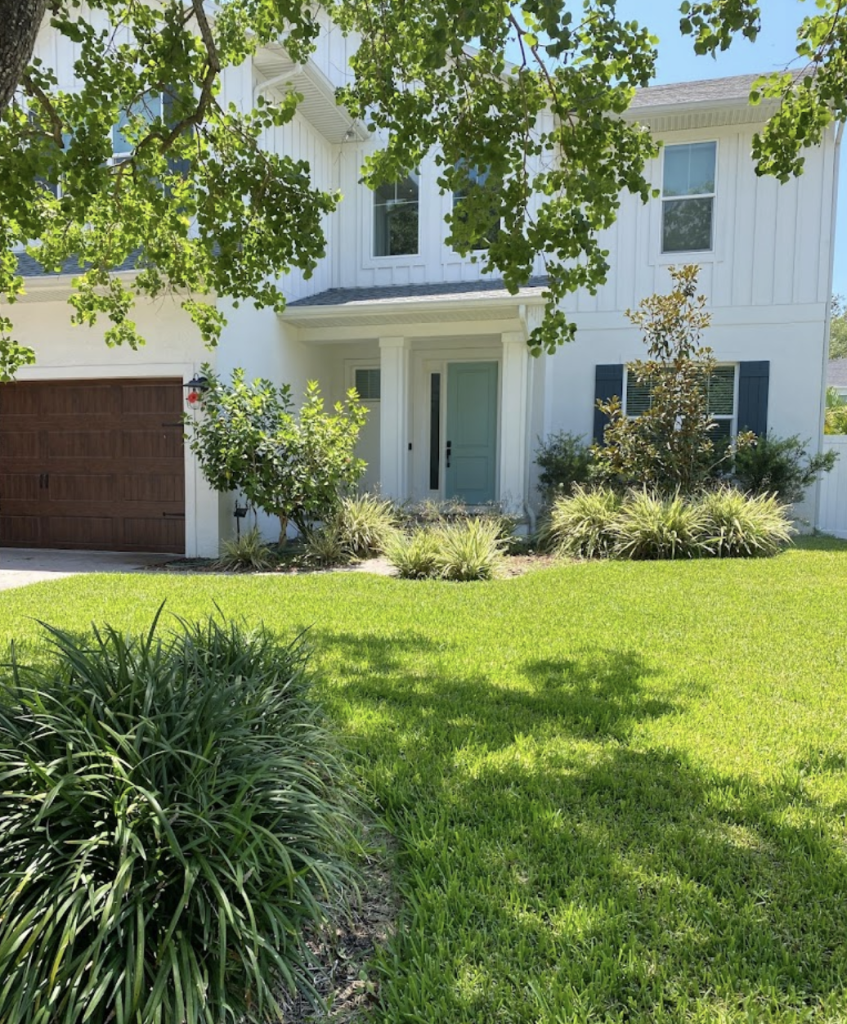
A sprinkler system promotes greener, healthier lawns by delivering water directly to the root zone, where grass gobbles up all its nutrients.
Basically: More water = more nutrients = vigorous growth and vibrant green grass.
A sprinkler system also means having an even water distribution across the lawn. So you can save money on hiring lawn guys (like us) to routinely come and treat your lawn's dry patches or browning— which is caused by overwatering, believe it or not!
RELATED: Exactly HOW Long Should I Water My Lawn in Summer?
Will my water bill go up with a sprinkler system?

If you use a sprinkler system then naturally, yes, your water bill will go up. This is why we always, always recommend an irrigation system with a rain sensor.
A rain sensor detects rainfall and automatically shuts off your sprinkler system when it's raining, helping you reduce water usage and costs.
So, it can actually save you money if you tend to overwater your lawn (or don't know the proper schedule).
See how much water is used in Florida's irrigation cycle.
Does a Sprinkler System Increase Home Value?

We asked our real estate buddy this, and his exact words were, "Eeeh. Not really? But kinda?"
Picture it this way:
If you and your neighbor were both selling your home, and the only difference between the two was a good-looking lawn, then you'd be more likely to sell your home faster than your neighbor.
Essentially, a sprinkler system enhances curb appeal, making your home more attractive to potential buyers.
Plus, according to this 2018 report from Realtor.com (it's a little dated, we know):
- When asked which outdoor projects produce the most substantial financial payouts at resale, Realtors® ranked standard lawn care service at the top, which recovers 267% of the project cost at resale.
- Realtors® named landscape maintenance and tree care, both recovering 100% of the cost at resale.
- Installing an irrigation system, recouping 86%.
Do with those numbers what you will.
In our opinion, it won't get you a 100% increase (as in, if your sprinkler cost you $3K, your realtor won't just add $3K to the total selling price of your home), but it might:
- Help sell your home faster than your neighbors and
- Save you $3K over 5 years in professional landscape maintenance (depending on the size of your lawn).
One savvy Reddit user also suggested, "Sprinkler systems can also help with the foundation health of your house depending on if that's an issue in your area!"
In other words, dry soil (caused by a lack of watering + Florida's ridiculous heat) can pull away from your home's foundation, causing cracks in the concrete slab.
RELATED: Tampa Lawn Irrigation 101
Sprinkler System FAQs
When to Turn Off Sprinkler System
Turn off your sprinkler system during rainy days or when the soil is moist to avoid overwatering. Additionally, shut it off during colder months or freeze warnings to prevent pipe damage.
What Are the Parts of a Sprinkler System
A typical sprinkler system comprises a controller, valves, pipes, and sprinkler heads. The controller sets watering schedules, valves regulate water flow, pipes carry water, and sprinkler heads distribute water across the lawn.
Does a Sprinkler System Use Electricity
Yes, sprinkler systems typically use electricity to power the controller and valves. However, modern systems may offer battery-powered or solar-powered options for eco-friendly operation.