
Do you have an oak tree in your Florida yard?
Oak tree identification is pretty easy once you get the hang of it.
So, whether you're trying to prepare yourself for some insane pollen allergies or wondering if you can cut down that giant oak in your front yard, here's what you need to know first:
Are There Oak Trees in Florida?

Florida might be known for its palm trees and sandy beaches, but yes, oak trees can be found up and down the coast (and inland) of Florida!
It might surprise you, especially if you've never noticed them amidst the tropical foliage.
And honestly? We love them here. The canopies provide a great escape from the heat!
RELATED: Stump Grinder vs Stump Removal
3 Ways To Identify Oak Trees in Florida
Oak trees play a vital role in Florida's ecosystem, providing habitat for wildlife, improving air quality, and enhancing the landscape's overall aesthetic appeal.
For this reason, you might not be able to remove the oak tree in your yard (more on the laws on that in a second).
There are only two types of oak trees to identify in Florida: white oak and red oak.
Here's how you can tell the difference:

White Oak
- Bark: Lighter
- Leaves: These are shorter, smoother, and rounded, with gentle curves between the lobes (think of this emoji 🍃). They turn red or maroon in the fall.
- Acorns: Light with a shallow cap
Red Oak
- Bark: Darker
- Leaves: Elongated, pointed, with bristle-tipped lobes, they have a more jagged appearance (think of this emoji 🍁). They turn reddish-brown in the fall.
- Acorns: Darker with a scaly, deeper cap
RELATED: How Often Can You Fertilize Your Lawn? Florida’s Ideal Schedule
Oak Tree Removal Laws in Florida

Now that you've mastered the art of identifying oak trees in Florida let's discuss an equally important topic: oak tree removal laws.
In Tampa, Florida, oak trees are protected by regulations that preserve the state's natural beauty and ecological balance.
Before proceeding with tree removal, especially for mature oak trees, check to make sure you don't need to obtain permits or approvals from your local government.
These regulations typically consider tree size, location, and ecological impact.
RELATED: Is Your Lawn Thirsty? Here’s the Best Time To Water Your Lawn in Florida
Oak Tree Pollen Season in Florida

Ah, pollen season—the bane of allergy sufferers everywhere. But what about oak tree pollen season in Florida?
If you're prone to seasonal allergies, consider bracing yourself for the arrival of oak pollen. This pollen can trigger sneezing, congestion, and itchy eyes in susceptible individuals.
In Florida, oak tree pollen season typically occurs in spring, usually from late February to early April. During this time, oak trees release copious amounts of pollen into the air as part of their reproductive process.
So, how can you survive oak tree pollen season in Florida? Here are a few tips:
- Stay Indoors: Try to stay indoors during peak pollen times, especially on windy days when pollen levels are higher.
- Keep Windows Closed: Keep windows and doors closed to prevent pollen from entering your home.
- Use Air Filters: Consider using high-efficiency particulate air (HEPA) filters in your home to remove pollen from the air.
- Monitor Pollen Levels: Monitor pollen forecasts and adjust your outdoor activities accordingly.
RELATED: 7 Best Grass Types in Tampa, Florida Based on Your Type of Lawn
What is the Most Common Oak Tree in Florida?

With over 30 species of oak trees native to Florida, you might wonder which one is the most common.
Drumroll, please...
The Live Oak (Quercus virginiana)!
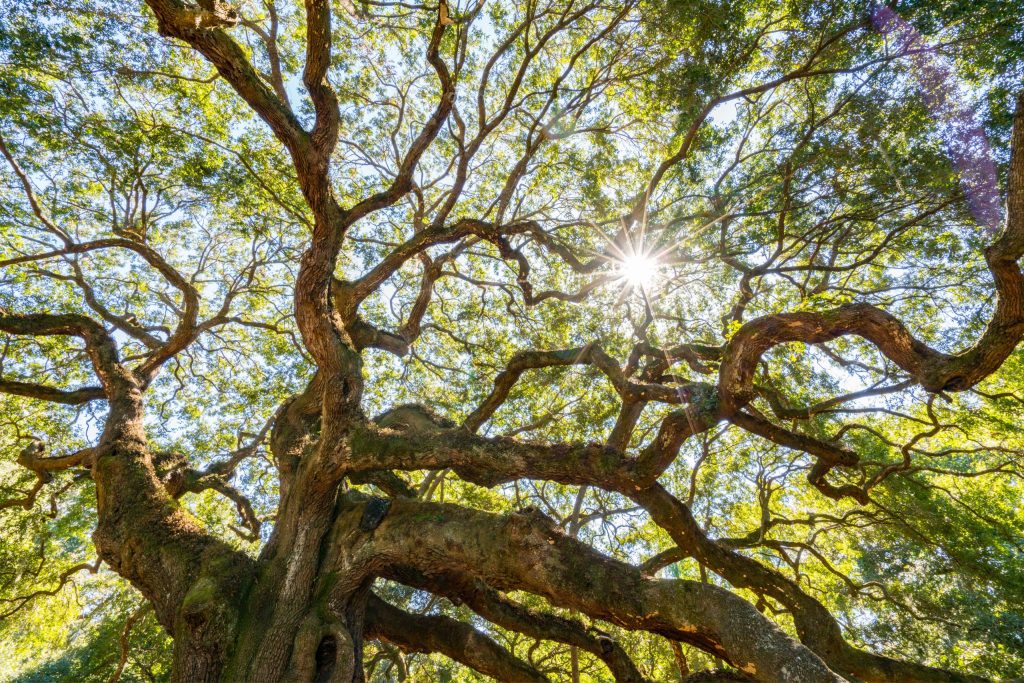
The Live Oak is a beloved symbol of the South, known for its sprawling canopy, evergreen foliage, and sturdy branches.
Unlike many other oak species, Live Oaks retain their leaves throughout the year, providing constant shade and shelter for wildlife.
You'll often find Live Oaks gracing the streets of Florida's historic neighborhoods, standing sentinel in parks like:
You're likely to see them adorning college campuses like the University of Tampa and even courthouse squares.
Do Florida Oak Trees Lose Their Leaves?
The answer is yes and no.
While some oak species in Florida, such as the Live Oak, are evergreen and retain their leaves throughout the year, others are deciduous (e.g., they shed).
Deciduous oak trees in Florida typically undergo a period of leaf drop in the fall, followed by new leaf growth in the spring.