
If you’re aiming to create a vibrant, sustainable lawn in Florida, it’s all about smart choices and eco-friendly practices. From water conservation to native plants, these tips will help you keep your lawn lush while being kind to the environment. Here’s how you can make your Florida lawn both beautiful and eco-friendly.
How To Have an Eco-Friendly Lawn in Florida
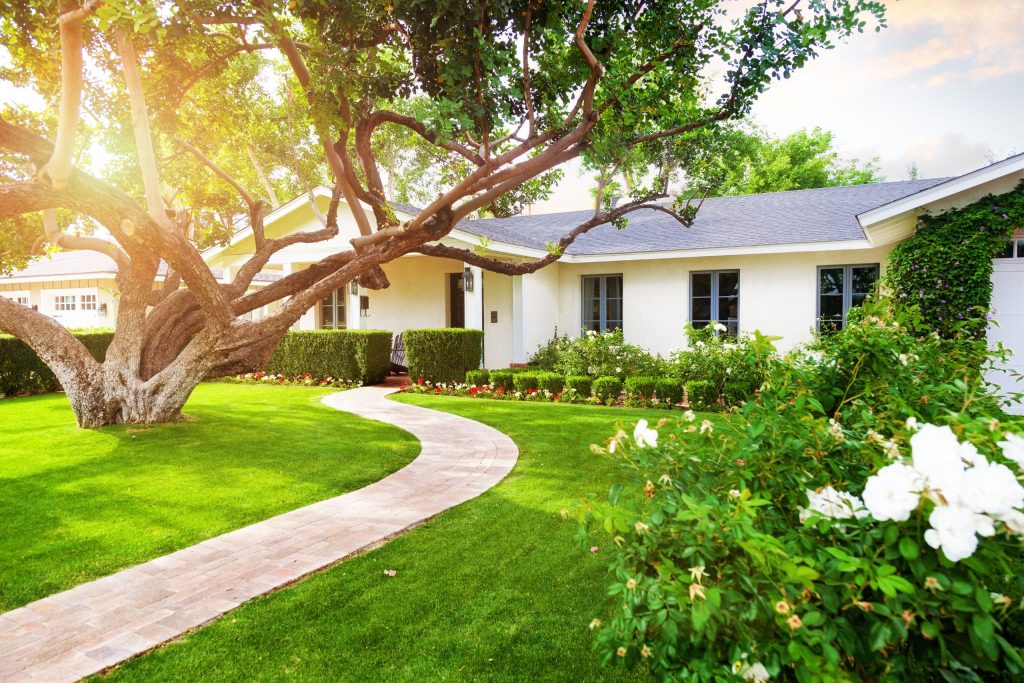
1. Choose Native Plants and Grasses
Native plants and grasses are perfectly suited to Florida’s climate and soil conditions. They thrive with less water and care, making them an excellent choice for an eco-friendly lawn. Plus, they support local wildlife, adding to your garden’s biodiversity.
Top Picks
- Bermudagrass: A popular choice for Florida lawns, it’s drought-tolerant and resilient.
- Zoysia Grass: Known for its heat resistance and ability to thrive in various soil types.
- Florida-native Wildflowers: Such as blanket flower and coreopsis, which add color and attract pollinators.
2. Use Efficient Watering Techniques
Watering efficiently is key to a healthy, eco-friendly lawn. By reducing water waste, you’ll conserve resources and ensure your grass gets the moisture it needs.
Techniques:
- Drip Irrigation: Directs water to the roots where it’s needed most, minimizing evaporation.
- Rain Sensors: Adjust watering schedules based on rainfall, so you’re not watering during or right after rain.
- Water Early: Water your lawn early in the morning to reduce evaporation and allow grass to absorb moisture before the heat of the day.
3. Adopt Organic Lawn Care Practices
Switching to organic lawn care products is better for your soil and the environment. Organic fertilizers and pest controls enhance soil health without harmful chemicals.
Benefits:
- Improved Soil: Organic fertilizers improve soil structure and fertility over time.
- Natural Pest Control: Use beneficial insects and organic solutions to manage pests, reducing the need for synthetic pesticides.
Products:
- Compost: Enriches soil with nutrients and improves water retention.
- Organic Fertilizers: Look for products with natural ingredients like bone meal or fish emulsion.
4. Reduce Lawn Size
Reducing the size of your lawn can significantly cut down on maintenance and resource use. Opt for alternatives that are both functional and aesthetically pleasing.
Alternatives:
- Ground Covers: Such as clover and creeping thyme, which require less mowing and watering.
- Native Shrubs and Flowers: Replace traditional grass areas with a mix of native shrubs and perennial flowers.
- Vegetable Gardens: Incorporate edible plants that provide fresh produce and reduce the need for ornamental lawn space.
5. Minimize Chemical Use
Using fewer chemicals is crucial for a sustainable lawn. Synthetic fertilizers and pesticides can harm beneficial microorganisms and pollute waterways.
Alternatives:
- Compost and Mulch: Use compost to nourish soil and mulch to retain moisture and suppress weeds.
- Natural Remedies: Address pests and diseases with natural solutions like neem oil or insecticidal soap.
6. Practice Efficient Lawn Maintenance
How you mow your lawn can impact its health and the environment. Keeping your lawn well-maintained without overdoing it can help reduce waste and emissions.
Tips:
- Leave Clippings: Grass clippings are a natural mulch that returns nutrients to the soil. Skip the bagging and let the clippings decompose on the lawn.
- Sharp Blades: Keep your mower blades sharp to ensure clean cuts and prevent grass stress.
- Reduce Mowing Frequency: Mow less often to conserve fuel and reduce emissions.
7. Support Local Wildlife
A lawn that supports local wildlife is not only eco-friendly but also adds vibrancy to your outdoor space. By providing food and shelter, you contribute to a healthier ecosystem.
How to Help:
- Birdhouses and Feeders: Install birdhouses and feeders to attract and support local bird species.
- Pollinator Plants: Include flowering plants like milkweed and lavender that attract bees and butterflies.
- Water Features: Add a birdbath or small pond to provide water for wildlife.