
So, you’ve noticed a ton of earthworms wriggling around your yard, and you’re wondering if that’s a good thing or a bad thing.
Spoiler alert: it’s usually a great thing!
Earthworms act as organic fertilizers in your lawn because they help recycle nutrients, naturally aerate the soil, and help with other pests!
But there is such a thing as too much of a good thing.
RELATED: 5 Tricky Lawn Diseases in Florida
The Pros of Having Earthworms
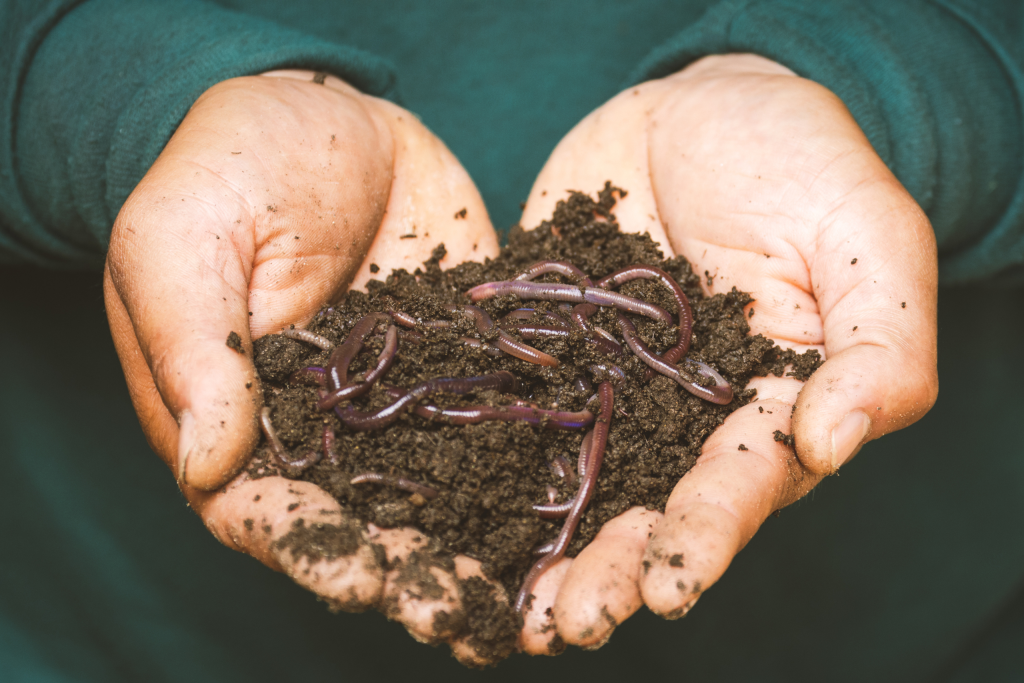
Soil Aeration
Think of your soil as a heavy, knit blanket. Earthworms are like the tiny holes in the knitting that let cool air come through.
Their burrows create channels that let air, water, and nutrients reach plant roots more easily.
This means your plants can breathe and drink up, leading to healthier, happier greens.
Nutrient Recycling
Earthworms munch on organic matter like decomposing leaves and dead roots, turning it into nutrient-rich castings.
Think of these castings as little fertilizer balls (like those protein balls you keep telling yourself you’re going to make). They act as power-packed bites of fertilizer that naturally boost your soil’s nutrient levels.
So, fewer trips to the garden center for synthetic fertilizers!
Improved Soil Structure
Flowers, grass, and trees grow best when the soil structure is smoother. Like driving on a newly paved road versus one filled with potholes.
By mixing and loosening the soil as they move around, earthworms help improve soil texture.
This means better drainage and less soil compaction— without you having to lift a finger.
Increased Microbial Activity
The tunnels these earthworms create kick another necessary action into motion: microbes.
Microbes are tiny organisms like bacteria and fungi. These break down things in your yard, like dead leaves, plant residues, and compost.
This process releases essential nutrients into the soil, which plants need to grow.
Without earthworms, it’s your job to go in there, aerate your soil, pick up dead leaves, and compost.
In short, earthworms are like having an organic lawn care company working for you 24/7.
Eco-Friendly Gardening
The presence of earthworms means you’re on the right track with eco-friendly gardening.
They help reduce the need for chemical fertilizers and promote sustainable practices.
RELATED: Here’s how we turn grass clippings into compost
The Cons of Having Earthworms

Potential for Overpopulation
In rare cases, if your soil is absolutely crawling with earthworms, it could lead to soil erosion, especially on slopes or in sandy areas.
It’s like having too many guests at a party—things can get a bit messy.
Presence of Non-Native Species
Sometimes, non-native earthworm species can mess with the local ecosystem.
They might outcompete native species or change the soil in ways that aren’t great for your garden.
If you’re worried about this, we can check it out for you.
Attracting Predators
Earthworms can attract critters like birds, moles, and skunks.
These predators might dig up your lawn or garden for a tasty worm snack.
Incompatibility with Certain Soil Types
While earthworms are generally awesome, they might not thrive in extremely dry or clay-heavy soils.
You might not see as many benefits if your soil is super sandy or dry.
Should You Add Earthworms to Your Yard?
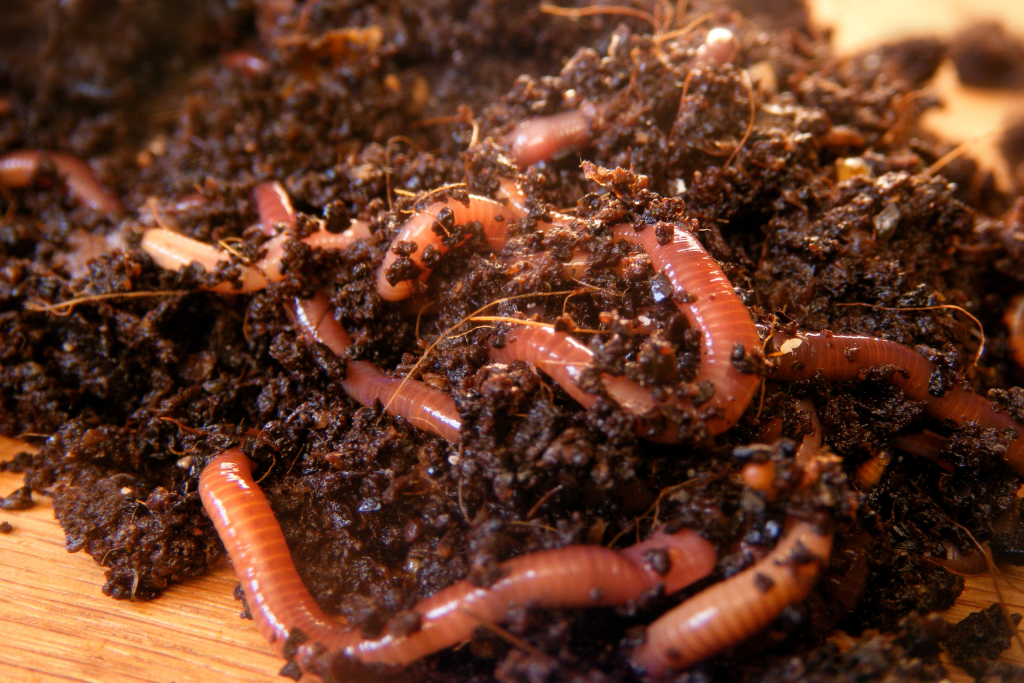
Red Wigglers
If you’re considering adding earthworms to your yard, it’s usually a good idea, especially if your soil could use some help.
Here’s when it might make sense:
- Poor Soil Quality: If your soil is compacted, shows poor plant growth, dries out quickly, or is low in organic matter, adding earthworms can help improve these conditions.
- Starting a New Garden: Earthworms can jumpstart the process of creating healthy soil for a new garden or lawn.
- Composting: If you’re into composting, adding earthworms (especially red wigglers) can speed up the composting process and enrich your compost.
Before You Add Earthworms:
- Check Local Ecosystems: Make sure you’re not introducing non-native species that could upset the local balance. To identify your yard’s earthworms, use apps like iNaturalist.
- Assess Existing Conditions: If your soil is already worm-friendly, you might not need to add more.
- Evaluate Soil Conditions: Earthworms need moist, nutrient-rich soil. Prepare your soil by adding compost, keeping it moist (but not soggy), and ensuring it’s well-aerated.
How to Introduce Earthworms To Your Yard
- Prepare the Soil: Add organic matter like compost or mulch to give earthworms something to munch on.
- Choose the Right Species: Pick earthworm species suitable for your soil type and climate. Again, use apps like iNaturalist!
- Release Them: Spread earthworms evenly across your soil surface and cover them lightly with soil or organic matter. Doing this in the evening or on a cloudy day helps protect them from the sun.
- Maintain the Habitat: Keep the soil moist and add organic matter to support your earthworm friends.
Wrapping It Up
Overall, having earthworms in your yard is mostly a win!
They improve soil health, boost plant growth, and contribute to a thriving garden ecosystem. Just keep an eye on their numbers and ensure they’re the right fit for your local environment.
If managed properly, earthworms can make your garden the envy of the neighborhood.